

R1b/Hg1/Eu18; R-M213; R-M9; R1b-M45; R-M207; R-M173; R-M343; R-L278; R-L754; R-L389/R1b1a1; R-M415; R-P297/R1b1a1a; R-M269/R1b1a1a2; R-M520; R-L23; R-M412; R-L11; R-S21/U106/M405/R1b1a1a1a2a1a1… Knock Knock… Wake up Neo… Follow the White Rabbit… | These serial numbers, arranged in chronological order, represent groups and subgroups of people who genetically share a common ancestor. Pulling on these protein strands is like tumblingContinue reading “With the White Rabbit Down the Hole. The Spread and Legacy of a Coastal DNA”
Category Archives: history
Merciless Medieval Merchants and Slavers

The earliest evidence of Frisian merchants — or kāpmon in the Old Frisian language — engaging in the slave trade dates back to the first half of the seventh century. No less an authority than the Venerable Bede, the Father of English history, recorded this criminal activity. He described a merchant operating in the marketsContinue reading “Merciless Medieval Merchants and Slavers”
A Theel-Acht. What a Great Idea!

By the middle of the ninth century, the Vikings had carved out a more or less permanent foothold in Frisia, in the pagus ‘territory’ of Nordendi, also known as Norditi. But by the year 884, the Frisians had had enough. They forged swords and axes, raised an army, and drove the Norsemen out once andContinue reading “A Theel-Acht. What a Great Idea!”
Atlantis Found! Wait, There Is Another One, or 7, Wait 12 in Total… No, 19!
Frisia could easily claim the title: Land of Atlantis. 19 inhabited islands and 244 villages drowned along the old Frisian coast trail in the past 1,500 years. We bet there are more out there… Atlantis emerged in the writings of Greek philosopher Plato. That was around 350 BC. In two of his dialogues, the “Temaeus”Continue reading “Atlantis Found! Wait, There Is Another One, or 7, Wait 12 in Total… No, 19!”
Shipwrecked People of the Salt Marshes
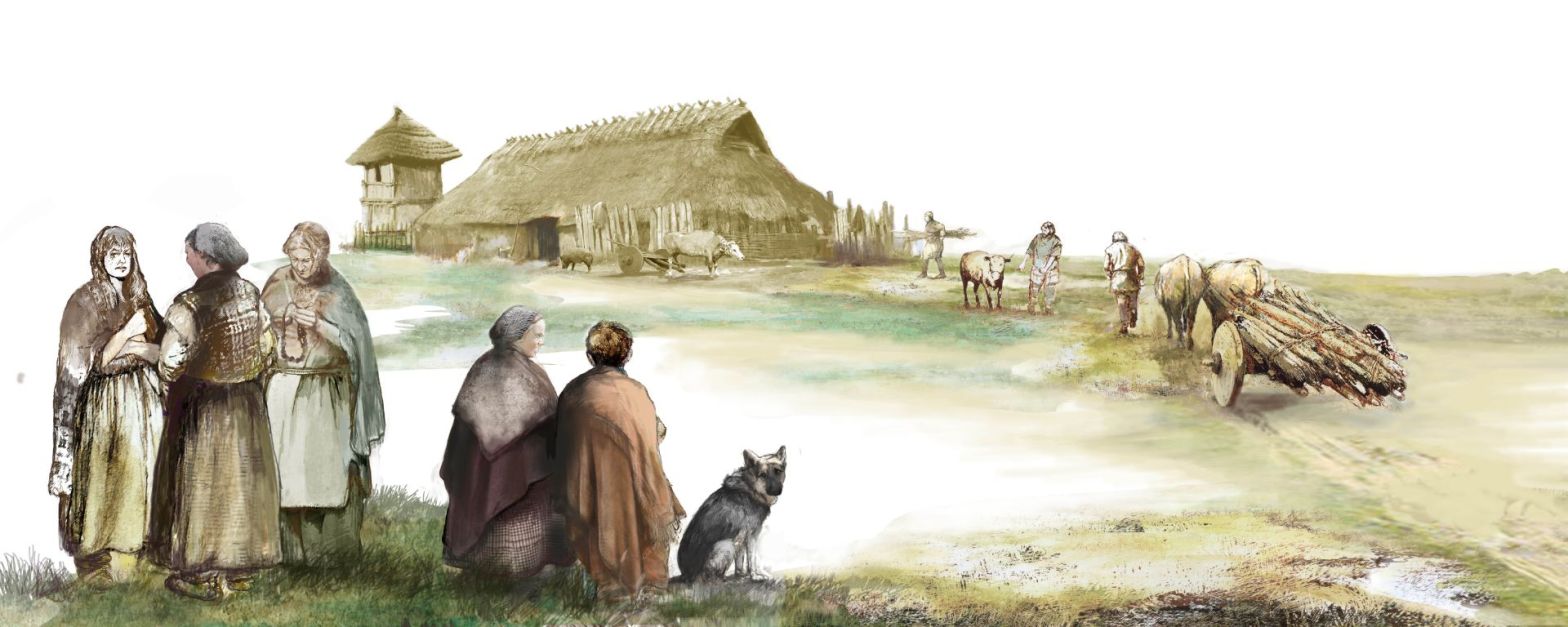
Tidal marshlands and Frisians, a dual entity. The Chauci and the Frisians — referred to by the Romans as Frisii or Fresones — had learned to adapt to an unprotected yet strangely hospitable salty world: a vast, treeless expanse of tidal marshlands. No rocks, no forests, scarce fresh water, and regularly flooded by a cold,Continue reading “Shipwrecked People of the Salt Marshes”
Attingahem Bridge, NY
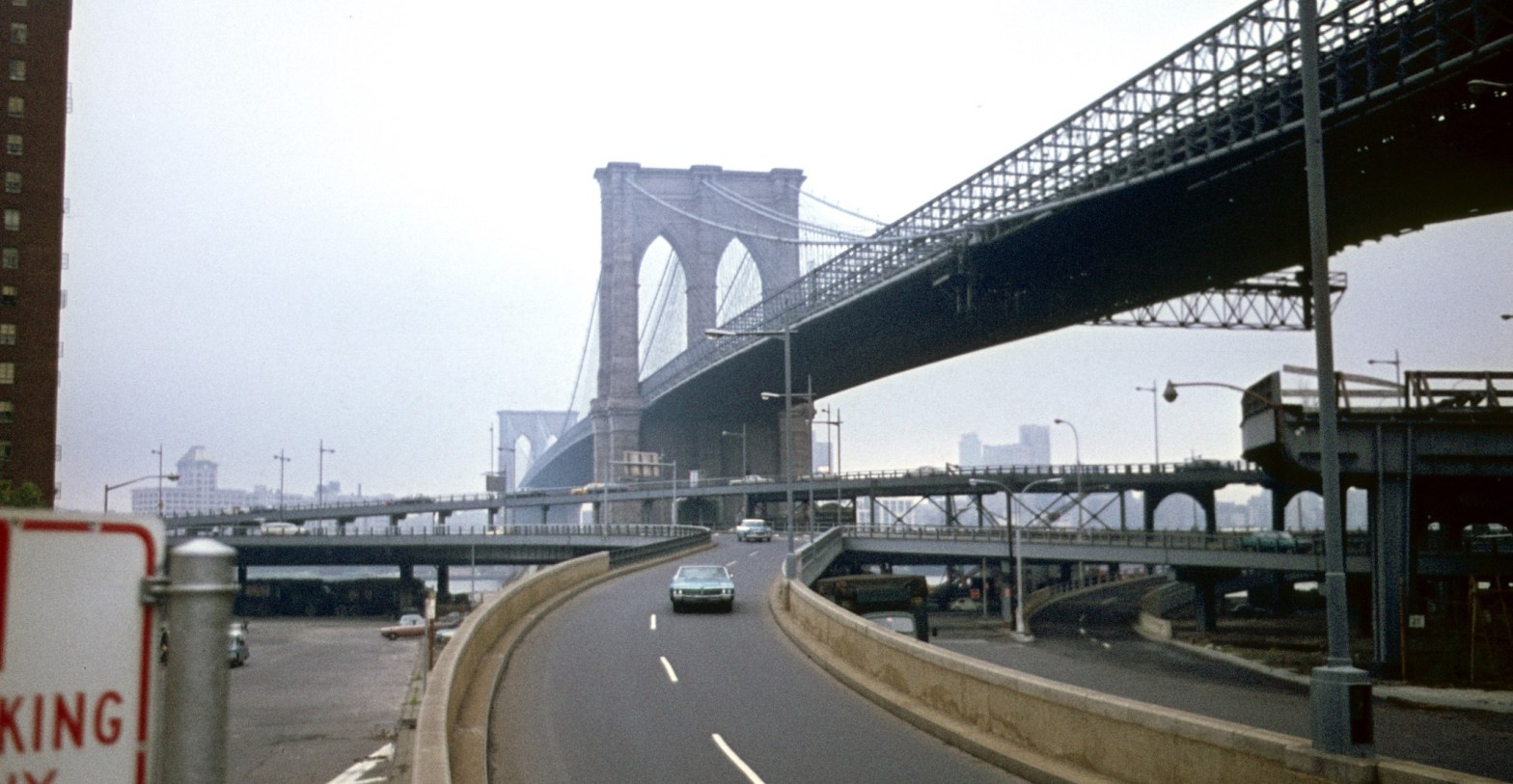
Brooklyn. Named after the charming village of Breukelen in the Netherlands. Its original Frisian name was Attingahem. With only a twist of history, the borough of Brooklyn would have been named Attingahem today, and the Brooklyn Bridge, therefore, Attingahem Bridge. The streets of Brooklyn, the set of movies like The Warriors (’79), The French ConnectionContinue reading “Attingahem Bridge, NY”
Magnus’ Choice. The Origins of the Frisian Freedom
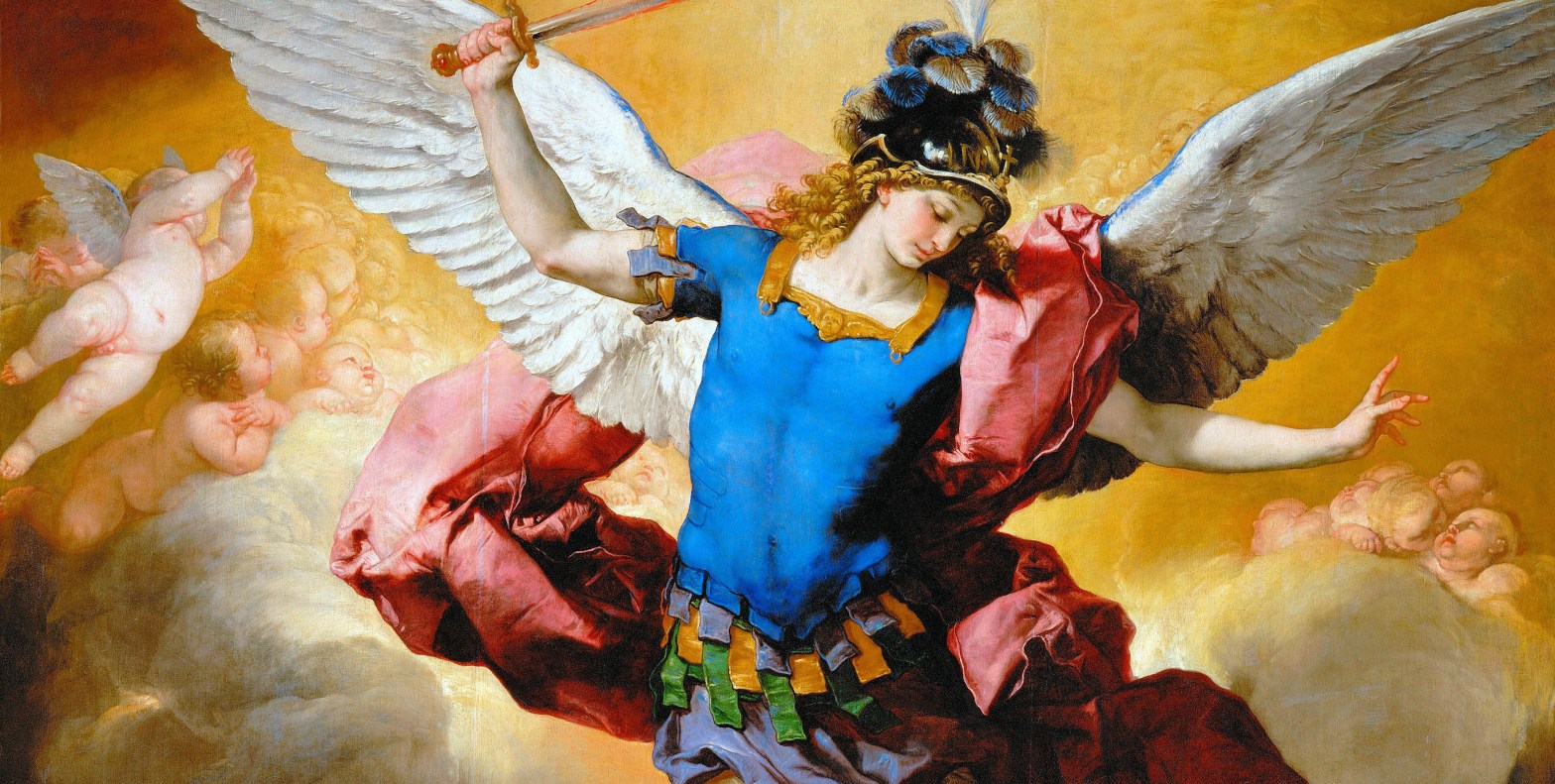
According to medieval legend, around the year 800, Charlemagne and Pope Leo clashed with the citizens of Rome. The Pope was attacked and forced to flee the city. It was an army of ‘naked’ Frisians, led by Magnus, that stormed back in, retaking the citadel and the Urbs Aeterna — the Eternal City. In gratitude,Continue reading “Magnus’ Choice. The Origins of the Frisian Freedom”
Groove Is in the Hearth. Very Superstitious, Is the Way

The hearth was, in pre- and early medieval times, the Holy of Holies. The heart of the family. Where you would lay back and groove. Groove on the sound of the endless rain on the thatched roof, or on the sound of seawater at your feet below. Splashing against the grassy slopes of your houseContinue reading “Groove Is in the Hearth. Very Superstitious, Is the Way”
Ornament of the Gods Found in a Pile of Clay. The Brísingamen of Wijnaldum

In the year 516, King Hygelac of the Geats, a tribe in — probably — the southeast of Sweden, raided Frisia. Back then, this part of the Netherlands was an impenetrable land with big rivers, little streams, swamps, peat bogs, and damp forests covered with moss and mould. Hygelac’s expedition into Frisia was less fortunate,Continue reading “Ornament of the Gods Found in a Pile of Clay. The Brísingamen of Wijnaldum”
The Abbey of Egmond and the Rise of the Gerulfing Dynasty
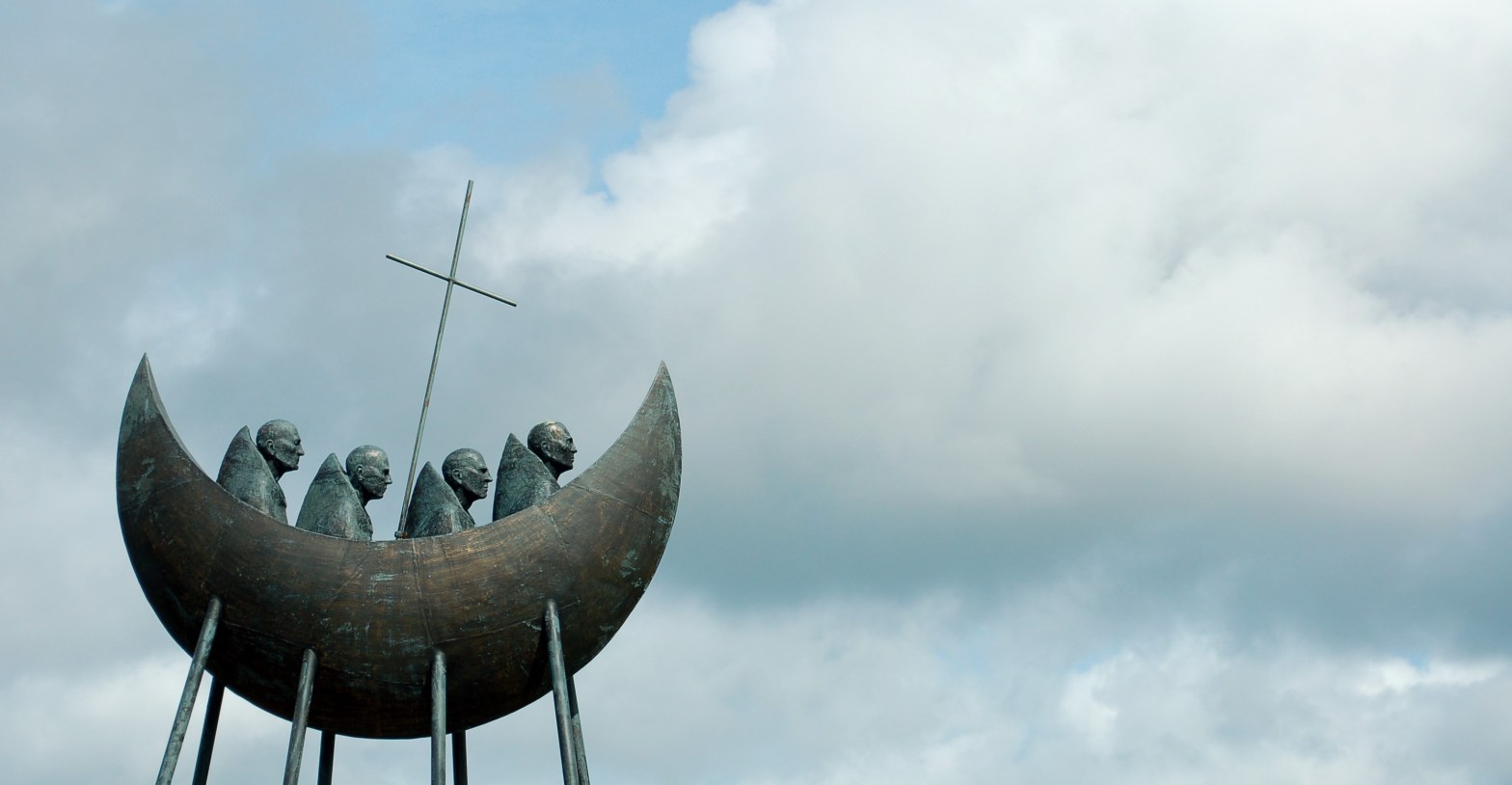
The monk Ecgberht of Ripon was the driving force behind the Christianization of the defiant heathens of Frisia. From the influential monastery of Rath Melsigi in Ireland, he launched wave after wave of monks, priests, and other clergy toward the Frisian coast. Among his spiritual soldiers were the monks Willibrord and Adalbert. After receiving theirContinue reading “The Abbey of Egmond and the Rise of the Gerulfing Dynasty”
 Frisia Coast Trail