

It is a well-known fact that the Frisians fought in foreign armies. Whether as foreign fighters in the Mediterranean and the Levant, or as mercenaries of the Roman Army deployed in Britannia. Also, their medieval kings committed war crimes. Early Frisian merchants were heavily involved in the profitable slave trade on the British Isles. Furthermore, individuals committed large-scale piracy in the North Sea, Wadden Sea, in the German Bight, and way beyond. And do not forget those that freely participated in Viking warbands.
Against this background there is much support among the people of the former Seven Sealands of Frisia to establish the International Criminal Tribunal for Frisia (ICTF). This in response to the committed (war) crimes against humanity by Frisian individuals, like army commanders, pirates, privateers, human smugglers, crusaders, terrorist fighters, mercenaries, spies for foreign powers, etc. As one of the initiators put it:
We periodically fight about the statue of Governor Coen in the Westfrisian town of Hoorn, are still proud of our crusade history, and still think Grutte Pier is a big hero, or a nice chap the very least. This is total ignorance of our history, right?
Frisian Bastard (September 2017)
The objective of the ICTF is to try those Frisian individuals who committed these serious crimes in the past. Therefore, it is limited to those who died without ever being tried by an independent and recognized court, and died before the establishment of the International Criminal Court (ICC) in The Hague in 2002. By bringing former deceased perpetrators to trial, the ICTF aims to render justice to Frisian history in general, and to strengthen and promote the rule of law internationally.
Trial of individuals already deceased is what the ICTF distinguishes from other criminal courts and tribunals. For this reason, the tribunal will merely consider the question of whether or not it can be proven that the individual concerned indeed committed war crimes or crimes against humanity. It will not additionally and symbolically impose a penalty post mortem. Therefore, the ICTF will not repeat the morbid cadaver synod; the posthumous conviction and punishment of Pope Formosus in the ninth century. The corpse of Pope Formosus underwent corporal punishment.
The ICTF can also rule concerning the future of any statue of the person tried. If found guilty, the tribunal can rule that statues are taken away, or that they are taken from its pedestal or socle and placed on street level. This way, these historic persons are symbolically leveled with ‘ordinary’ people. No longer to be admired from down below, but not to be forgotten either. Look them straight in the eye and tell’em! Of course, the ICTF can also rule (additionally) a sign is placed next to the statues, stating the atrocities the person committed during his or her lifetime, and the date of conviction by the ICTF.
The jurisdiction, not only limited until the year 2002 when the ICC in The Hague was established, is also restricted to those individuals born in an area that was part of Frisia at the time of birth of the suspect. Where in the world crimes have been committed, is irrelevant.
Below political map of Frisia during in the High and Late Middle Ages with the Seven Sealands.
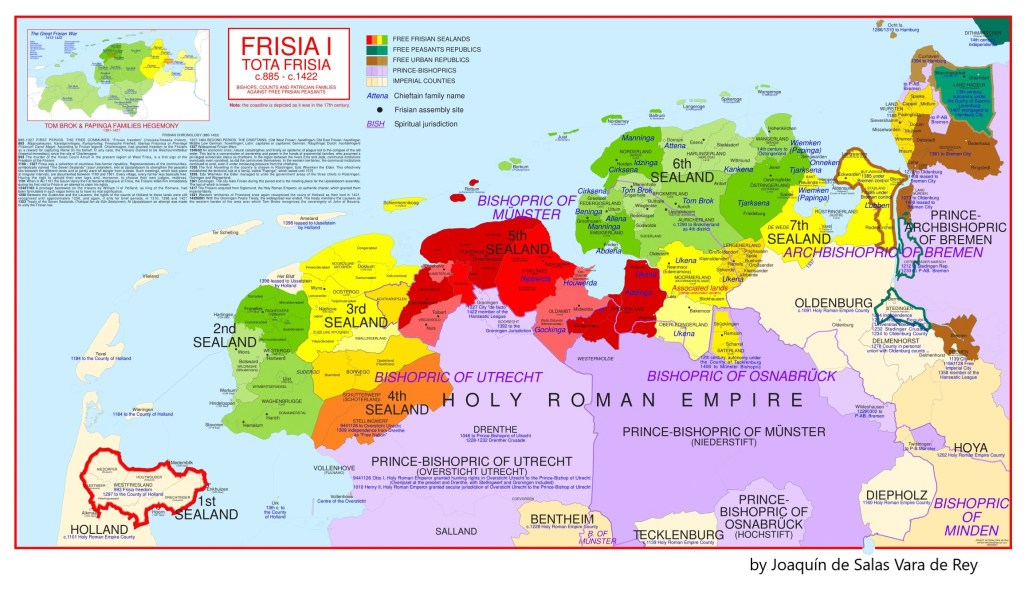
The proposed seat of the ICTF is the town of Aurich in region Ostfriesland in Germany. In the High Middle Ages, from 1156 until 1327, every year delegates and chosen judges from the Seven Sealands (see image above) gathered on a mound near Aurich. It was the pan-Frisia thing or ding called Upstalsboom. Here, on the first Tuesday after Pentecost, they assembled and proclaimed in open air new laws for the whole of Frisia. The Upstalsboom functioned as supreme court in legal matters and conflicts between Seven Sealands, too. With the seat in the town of Aurich, the ICTF can in some way undo the gross shortcomings of the former supreme judges of the Upstalsboom thing. If interested in more backgrounds of the Upstalsboom, see our blog post The Treaty of the Upstalsboom. Why Solidarity Is Not the Core of a Collective.
Every person has the right to bring forward a case to the ICTF with the request to indict a deceased Frisian individual.
Provisional list of indictments
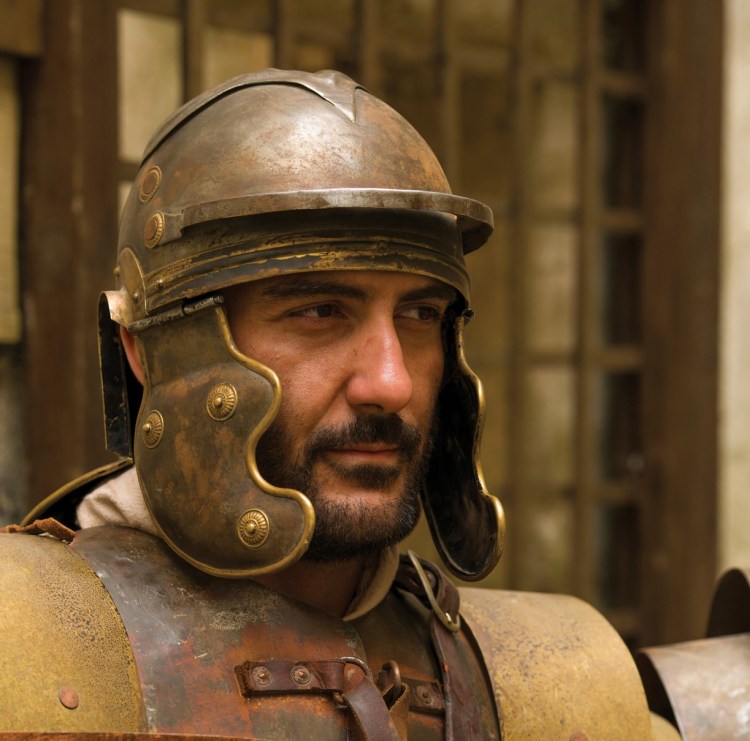
Bassus
ca. 10 BC – † AD 29
file nr. 833.9346.DW
Date and place of birth not exactly known, but late first century BC. Origin, from the territory of the Frisii (also Fresones), between the River IJ and the River Lauwers. Allegedly served, together with his tribesman Hilarus (file nr. 533.3423.DE), as imperial corpore custos ‘bodyguard’ of both general Germanicus Julius Caesar and of Roman Emperor Nero Drusus.
For more information, consult our blog post Frisian Mercenaries in the Roman Army. Fighting for Honour and Glory.
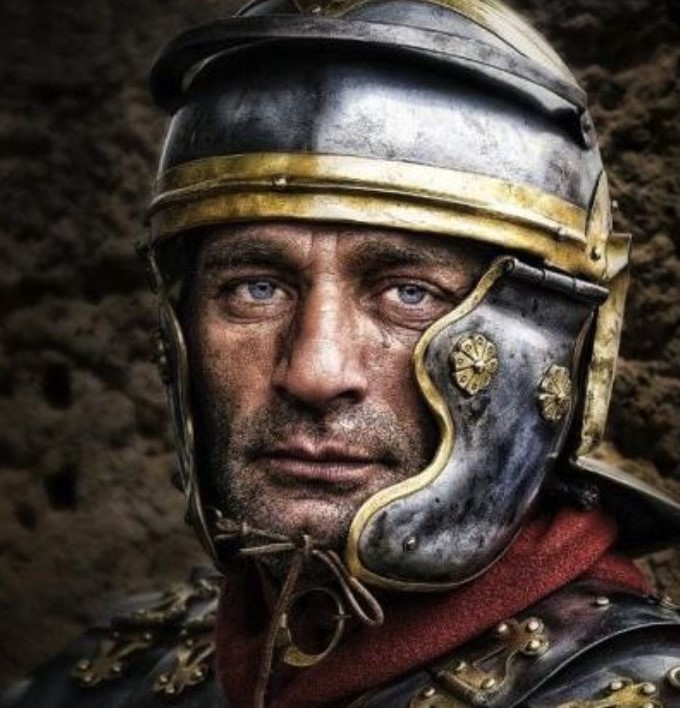
Hilarus
ca. 5 BC – † AD 29
file nr. 533.3423.DE
Date and place of birth not exactly known, but late first century BC. Origin, from the territory of the Frisii (also Fresones), between the River IJ and the River Lauwers. Allegedly served, together with his tribesman Bassus (file nr. 833.9346.DW), as imperial corpore custos ‘bodyguard’ of both general Germanicus Julius Caesar and of Roman Emperor Nero Drusus.
For more information, consult our blog post Frisian Mercenaries in the Roman Army. Fighting for Honour and Glory.
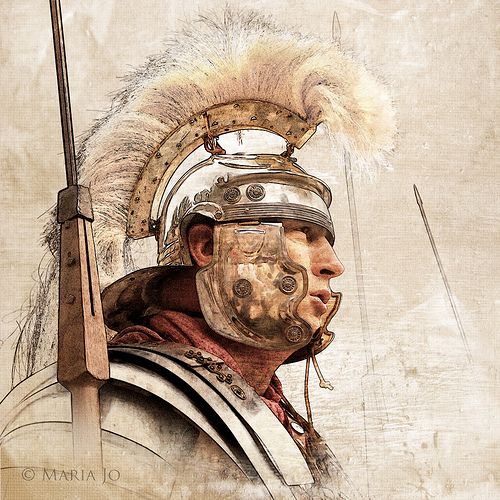
Hnaudifridus
third century AD
file nr. 374.8462.DG
Frisian chieftain, also known as Notfrid in his native tongue. Date and place of birth not exactly known, but early in the third century. Origin, from the territory of the Frisii (also Fresones), between the River IJ and the River Lauwers. Allegedly took service in a foreign (Roman) occupation army as commander of the Frisian cavalry force (cuneus Frisiorum) called the ‘Hnaudifridi’ after its leader. Allegedly fought against the Caledonii at fort Housesteads at Hadrian’s Wall in northern Britannia near the present-day town of Hexham.
Find here more background on Frisian mercenaries in Britannia. Notfrid and his band were probably also responsible for the earliest attestation of Germanic democracy with their tribute to the thing assembly. For more about these assembly meetings, consult our blog post Well, the Thing Is… Speaking From the Moral High Ground.
Corsold
ca. AD 500
file nr. 631.53863.KJ
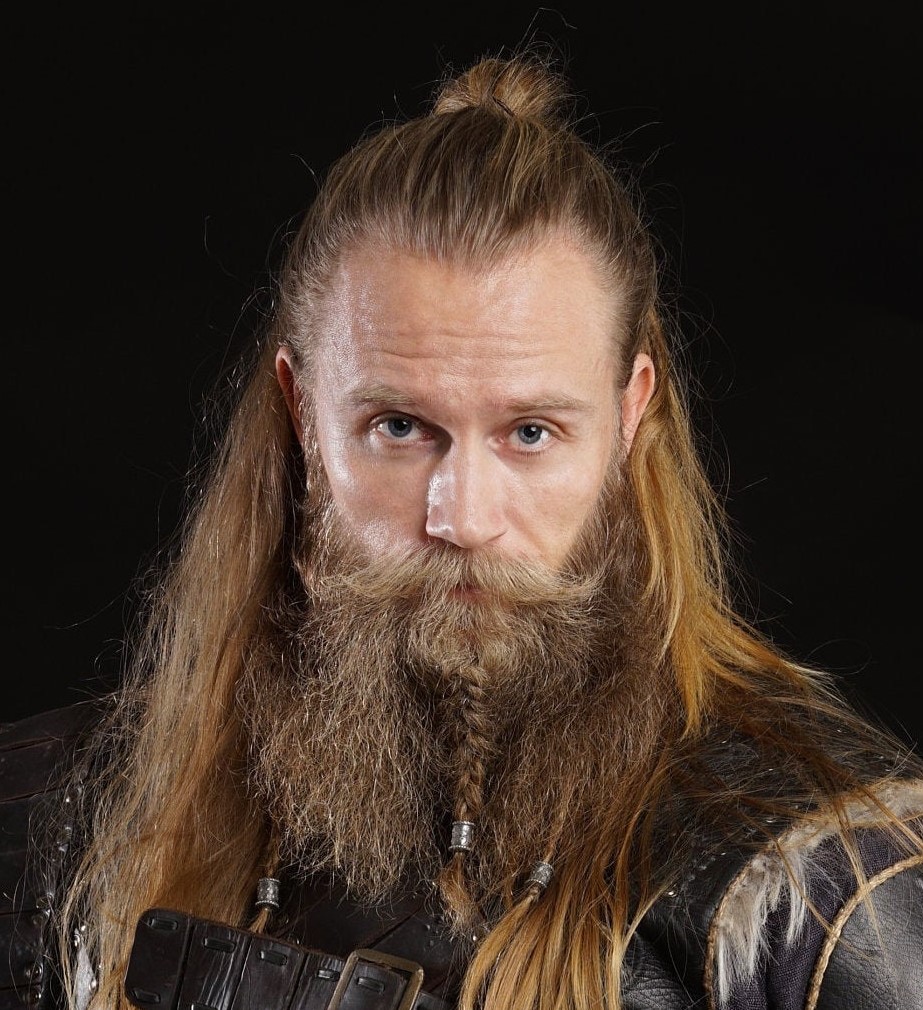
Frisian leader annex raider, also known as Dux Corsoldus, who ruled in parts of Brittany, modern Bretagne in France. He allegedly destroyed and ransacked the lands, and had enslaved the local Breton people. His rule ended after internal division with his brother and the Britons from Cornwall seizing the moment to defeat the remaining Frisian army.
See for more details our blog post A Frisian Lord Who Ruled in Brittany, Until His Wife Cheated on Him.

Weladu
ca. AD 600
file nr. 759.8482.DJ
Master blacksmith, also known as Wayland the Smith. Possibly lived near the village of Schweindorf in the region of Ostfriesland in Germany. Although he was maltreated, i.e. his hamstrings were cut and he was imprisoned, by the King Niðhad of the Njars, his revenge was way beyond excessive self-defence. He allegedly murdered the two sons of the king, made goblets and jewellery out their corpses and he raped the daughter of the king.
Consult our blog post Weladu the Flying Blacksmith. Tracing the Origin of Wayland to run a full background check.
Radbod
† AD 719
file nr. 247.0184.SN
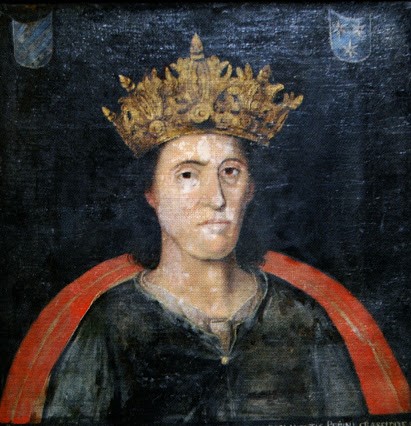
King of (western) Frisia, also known as Redbad and nicknamed the Enemy of Christ. Exact date and place of birth unknown. Allegedly committed and/or ordered crimes against civilians of the cities of Utrecht, the Netherlands and of Cologne, Germany during the sieges of both cities in the year 714. Allegedly responsible as well for a policy of non-intervention concerning the slave trade of the Breton, the Frankish and the Slavish people. More about the battles of King Radbod click here.
For more backgrounds on early-medieval slave trade by Frisians, consult our blog post Merciless Medieval Merchants and Slavers.
Frederick of Utrecht
AD 780 – † ca. 838
file nr. 292.4901.DQ
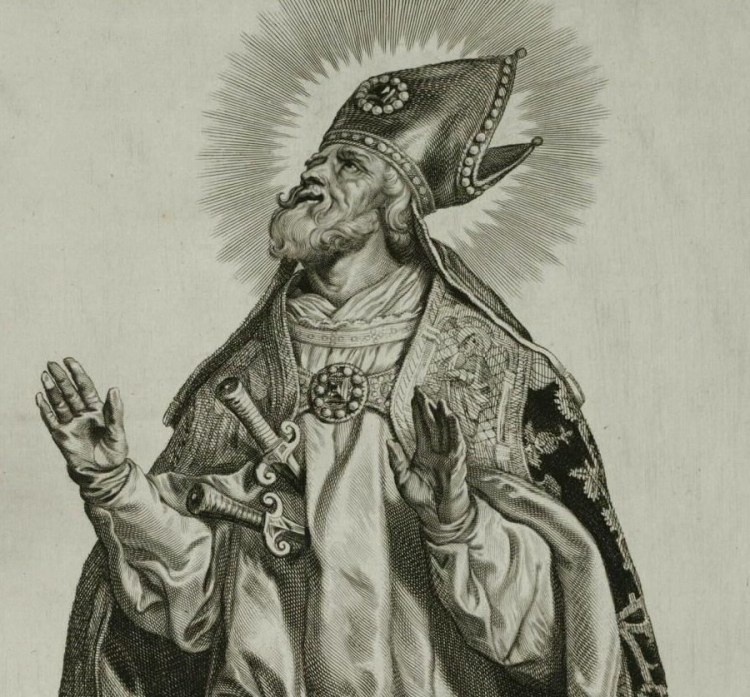
Bishop of Utrecht between 815 and 838. Born in the village of Sexbierum in the province of Friesland, the Netherlands. Allegedly destroyed temples of paganism on the island of Walcheren in former (West) Frisia, and allegedly suppressed with force the freedom of religion. Frederick was assassinated in his church during service, possibly ordered by Empress Judith of Bavaria. Because Frederick of Utrecht is declared a saint by the Vatican, the ICTF will work out a bilateral agreement with the Vatican concerning its jurisdiction and future trial.
Ubba the Frisian
† AD 878
file nr. 924.5295.CM
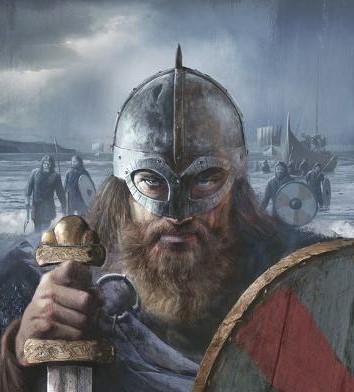
Frisian chieftain and Viking warlord. Date and place of birth not exactly known. Allegedly took service in a foreign (Viking) occupation army, and allegedly was one of the three commanders of the Great Heathen Army of the Vikings that raided and raped England for fourteen years. He had his stronghold on the island of Walcheren in (West) Frisia, the modern province of Zeeland in the Netherlands.
For more about the career of this warlord consult our blog posts Foreign Fighters Returning From Viking Warbands and Walcheren Island. Once the Sodom and Gomorrah of the North Sea.
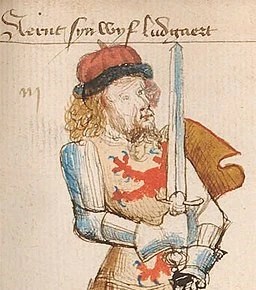
Arnulf
AD 955 – † 993
file nr. 402.5792.PA
Count of West Frisia, also known as Arnulf of Ghent as he was born in this town in the region of Flanders in Belgium. As count of (West) Frisia responsible for starting the Frisian civil war with the sovereign region of Westfriesland (modern province of Noord Holland) by invading this sealand with an army in the year 993. Westfriesland was the First of the Seven Sealands of tota Frisia. This civil war lasted until 1297, when Count Jan of West Frisia defeated the Westfrisians definitive. Although the attack of Arnulf was unsuccessful and Arnulf was killed himself on 18 September 993 by the Westfrisians, Arnulf has not been held responsible.
To learn more about this civil war and to appraise Arnulf’s atrocities, consult our blog post In Debt to the Beastly Westfrisians.
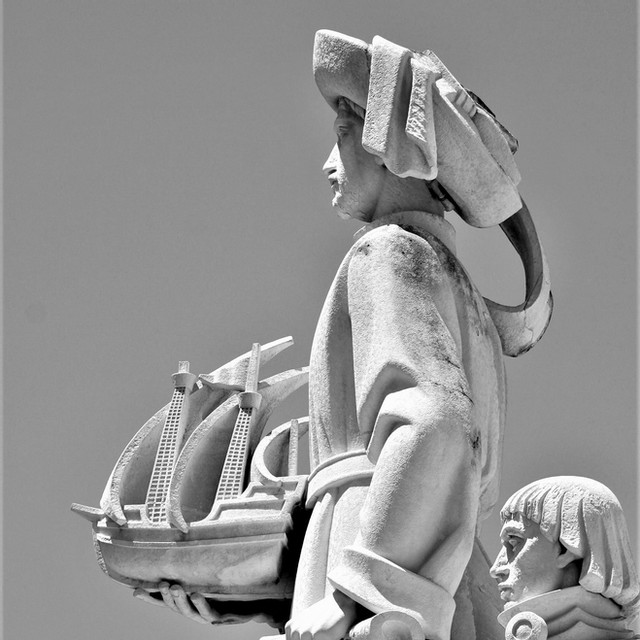
Popte Ulvinga
† AD 1147
file nr. 462.5292.NX
Commander and Frisian nobleman, also known as Poptetus Ulvinga, and as Heinricus orHendrik van Bonn, and as saint worshiped in Portugal to this date. Exact date and place of birth unknown but suspect originates from one of the Sealands Westergo, Oostergo, Hunzingo, or Fivelgo, Frisia. All in the north of modern the Netherlands. Allegedly fought in a foreign army as crusader of the Second Crusade (1147-1149), and allegedly ordered and/or committed crimes against civilians during the siege of the city of Ulixibona, modern Lisbon.
For more about the atrocities crusading Frisians committed, consult our blog post Terrorist Fighters From the Wadden Sea. The Era of the Crusades.
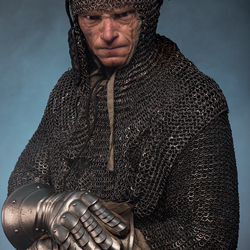
Dodo Kempinga
thirdteenth century AD
file nr. 312.2238.XL
Exact date of birth and death unknown. Cousin of Thitard Jelgera (file nr. 292.5540.CP). Frisian nobleman born in the village Kempingaburen, Sealand Oostergo, Frisia. In current province of Friesland in the Netherlands. Allegedly fought in foreign army as crusader of the Fifth Crusade (1213-1221), allegedly crusaded three times. Committed crimes against civilians, including against those of the city of Dalmieta, modern Egypt.
For more about the atrocities crusading Frisians committed, consult our blog post Terrorist Fighters From the Wadden Sea. The Era of the Crusades.
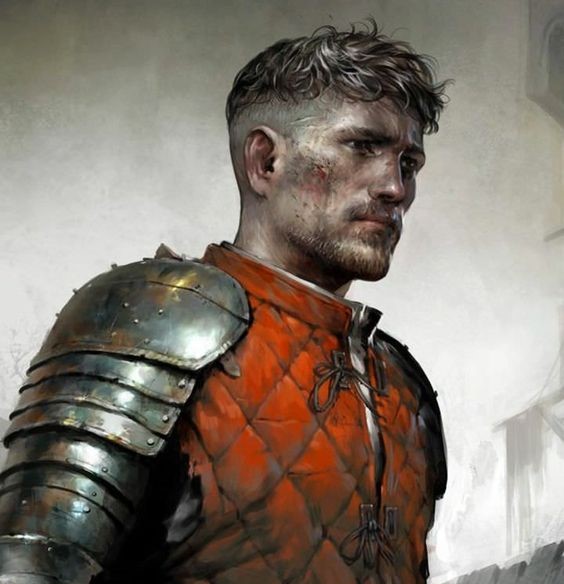
Thitard Jelgera
thirdteenth century AD
file nr. 292.5540.CP
Date of birth and place of origin unknown. Cousin of Dodo Kempinga. Later became monk of the convent Mariëngaarde, near the village of Hallum in Sealand Oostergo, Frisia. In the modern province of Friesland in the Netherlands. Same indictment as suspect Dodo Kempinga, see above.
For more about the atrocities crusading Frisians committed, consult our blog post Terrorist Fighters From the Wadden Sea. The Era of the Crusades.
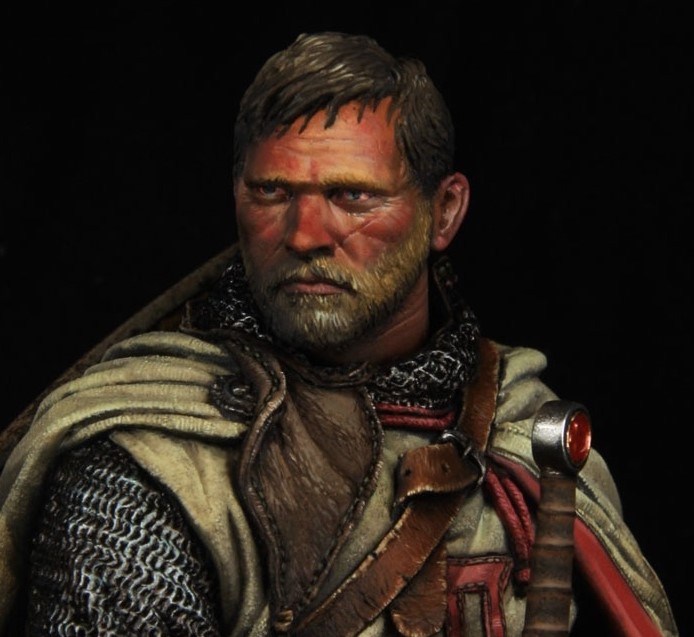
Rainers lo Frison
thirdteenth century AD
file nr. 192.6540.CL
Also known as Reinaut lo Frizos. Exact date of birth and death, and place of origin unknown. Allegedly fought in a foreign army as crusader against the Cathars in southern France. Committed crimes against civilians, including against those of the city of Toulouse in 1217-1218.
Find more about the atrocities crusading Frisians committed in our blog post Terrorist Fighters From the Wadden Sea. The Era of the Crusades.
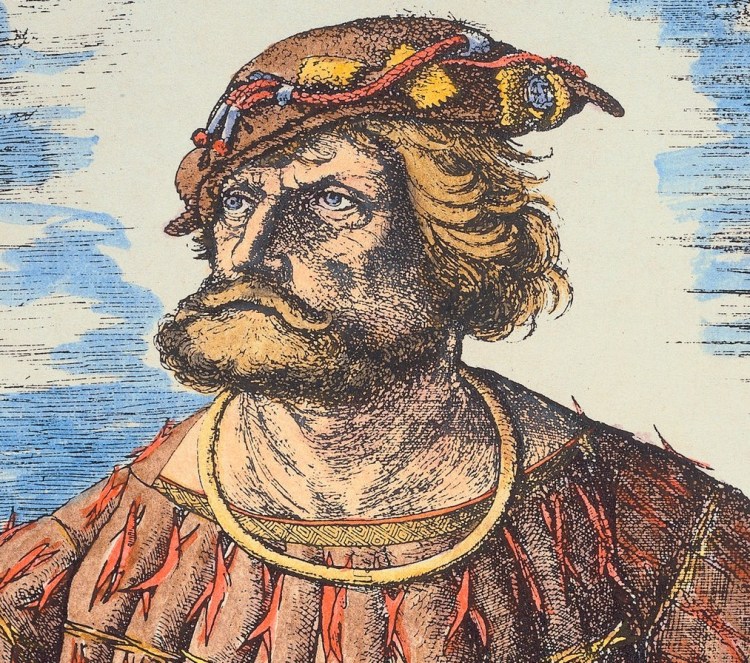
Klaus Niklaus Störtebeker
† AD 1400
file nr. 384.2580.MC
Also known as Nicolao Stertebeker. Date of birth unknown. Place of birth disputed: Rotenburg, Wismar, or Termunten. The latter village located in Sealand Fivelgo, part of the current region of Ommelanden in the province of Groningen. Leader of the so-called Likedelers and Vitalienbrüder pirates, meaning ‘those who share equally’. Allegedly committed huge-scale piracy first at the Baltic Sea and later at the North Sea and Wadden Sea, with their base in Mariënhafe in region Ostfriesland, Germany.
Find more about this pirate and so-called freedom fighter in our blog posts Our Civilization — It All Began With Piracy and Yet Another Wayward Archipelago — The Wadden Sea.
Ygo Gales Galema
ca. AD 1443 – † 1492
file nr. 570.7632.VV
Exact date of birth unknown. Frisian nobleman, also known as the Forest Viking or, among his opponents, as the Forest Swine, referring to his brutal fighting methods. Born in the port town of Workum in Sealand Westergo, the modern province of Friesland in the Netherlands. Allegedly a warlord of the Vetkopers ‘fat buyers’ faction during the civil war in Frisia, and allegedly responsible for committing and ordering crimes against civilians.
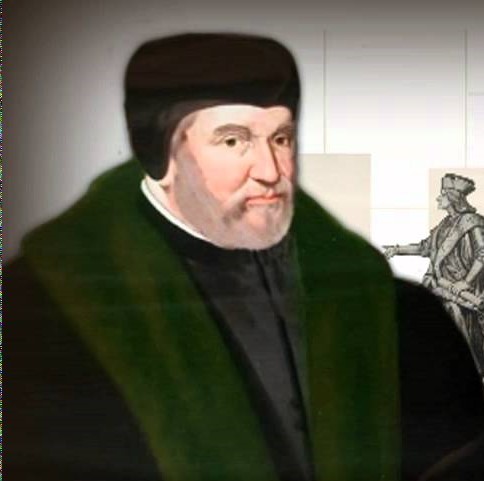
Bernardus Bucho Aytta van Swichum
AD 1465 – † 1528
file nr. 621.6591.LK
Statesman working for the Spanish crown. Allegedly, as counselor of the high court Hof van Holland, Zeeland and West-Friesland, involved in the persecution of heretics in the Low Countries, among other the interrogation of the priest Jan Jansz de Backer from Woerden in 1525. De Backer was burned at the stake in the city of The Hague. Investigation into the case of Bernardus Bucho’s nephew, Wigle van Aytta van Zwichem (1507-1577), also known as Viglius, is still going on. Not only served Viglius for a foreign power, he allegedly is the author of the Edict of 1550 against religious tolerance.
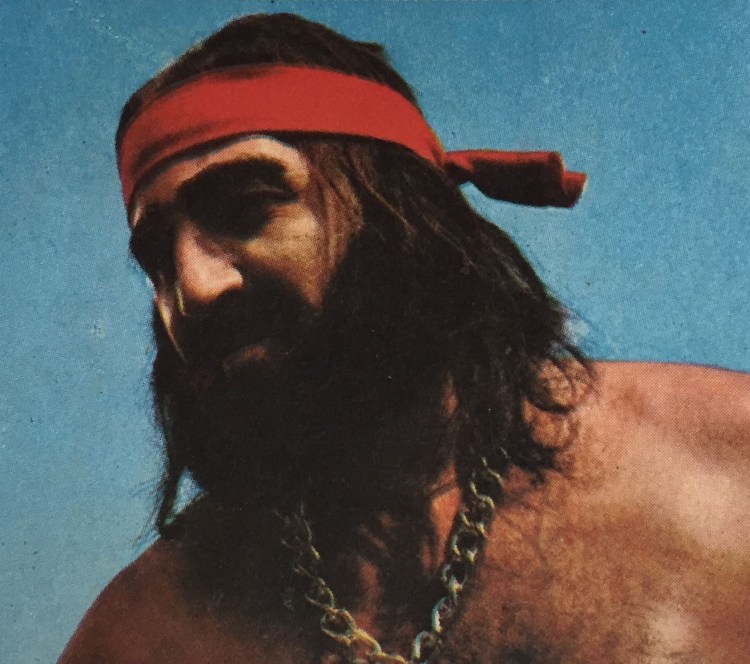
Pier Gerlofs Donia
ca. AD 1480 – † 1520
file nr. 205.5630.LC
Farmer and commander of large rebel and mercenary army the Arumer Zwarte Hoop ‘Black Heap of [village] Arum’, also known as Grutte Pier orGreate Pier ‘Tall Pier’, and nicknamed Cross of the Dutchmen(i.e. Hollanders) and Steersman of Death. Born near the village of Kimswerd in district Westergo, province of Friesland. Allegedly committed large-scale piracy at the Zuiderzee ‘southern sea’ as commander of a pirate fleet during the period 1515-1520. Allegedly committed and/or ordered crimes against civilians during the sieges, and looting of the several towns of the wider Zuiderzee region. The fact the inhabitants of Kimswerd after 500 years have offered formal apologies for the havoc done to the town of Medemblik in 2017, is a cute and sweet gesture but evidently not enough. If he is found guilty, that is.
For more about this pirate and so-called freedom fighter consult our blog posts How Great Was Great Pier? (the Sequel I), Our Civilization — It All Began With Piracy, and Yet Another Wayward Archipelago — The Wadden Sea.
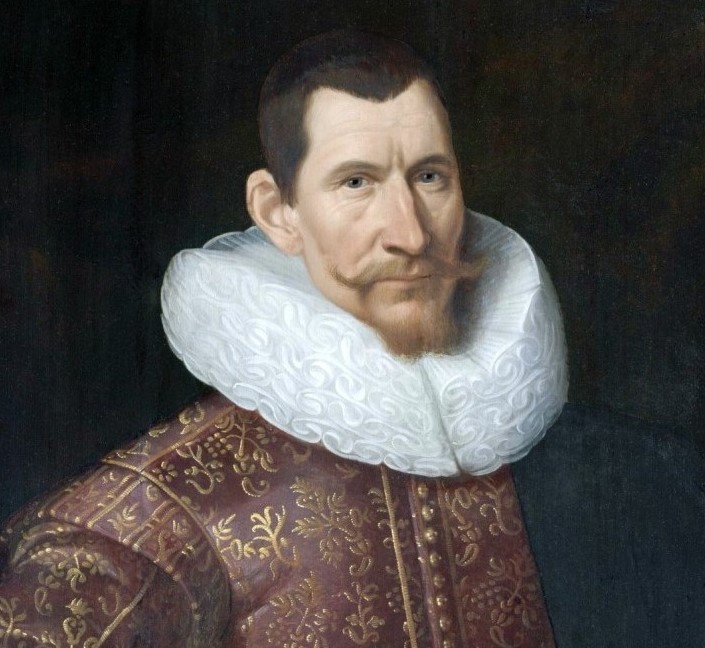
Jan Pieterszoon Coen
AD 1587 – † 1729
file nr. 001.000.AA
High-ranking officer of the Vereenigde Oost-Indische Compagnie (VOC) and Governor-General of the Dutch East Indies, born in the town of Hoorn in the region of Westfriesland in present-day province Noord Holland. Allegedly ordered crimes against the population, both against the armed forces as civilians of the Banda Islands, modern Indonesia in the year 1621, as well as allegedly inferring in court proceedings in the case of Saartje Specx and Pieter Kortenhoef, city of Batavia in modern Indonesia in the year 1629. Also, after conquering the Banda Islands, he transported slaves to the empty islands to replace the population for labour.
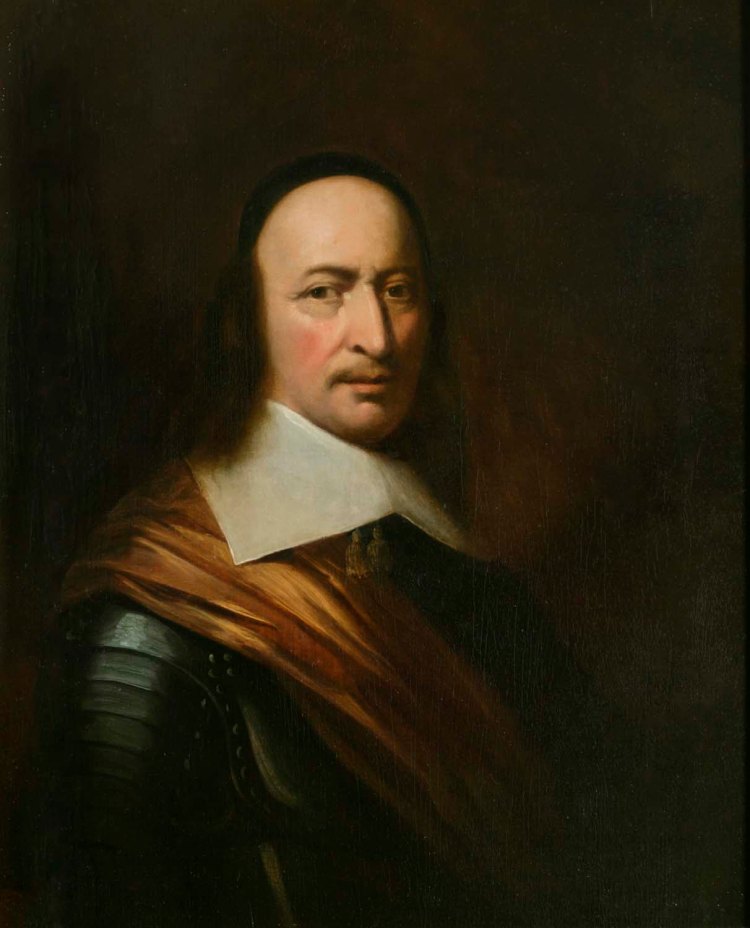
Pieter Stuyvesant
AD 1610/11 – † 1672
file nr. 248.8102.KQ
Also known as Peter or Petrus Stuyvesant. High-ranking officer of the West-Indische Compagnie (WIC) and Governor-General of the New Netherland colony, including the town of New Amsterdam (present-day New York City), also known as Peg Leg Pete or as Zilverbeen ‘silver leg’ for his wooden, decorated leg. Born in the village of Peperga, district of Stellingwerf, province of Friesland in the Netherlands. Allegedly suppressed the native population of Manna-Ha-Ta island (modern Manhattan) in the present-day United States and the religious minorities the Quakers and the Jews — on racial grounds — during the period 1645-1664. Furthermore, after retirement, he owned no less than forty slaves on his estate the Bowery, Manhattan. Prices of slaves at the auction of New Amsterdam around 1665 were: male negro between 315 and 615 florijn, a female negro between 260 and 335 florijn (Venema 2003). Lastly, criminal offices during his studies at the Faculty of Theology at the University of Franeker, like having sex with the daughter of his landlady and stealing from her, and misbehaviour in bars in port town Harlingen. Stuyvesant is known for his statement: “I value the blood of one Christian more than that of a hundred Indians.”
See our blog post History Is Written by the Victors — A Story of the Credits to learn more about Stuyvesant and the New Netherland colony. Consult our blog post Harbours, Hookers, Heroines, and Women in Masquerade for more details on Stuyvesant’s behaviour in the bawdy taverns and brothels in the port town of Harlingen.
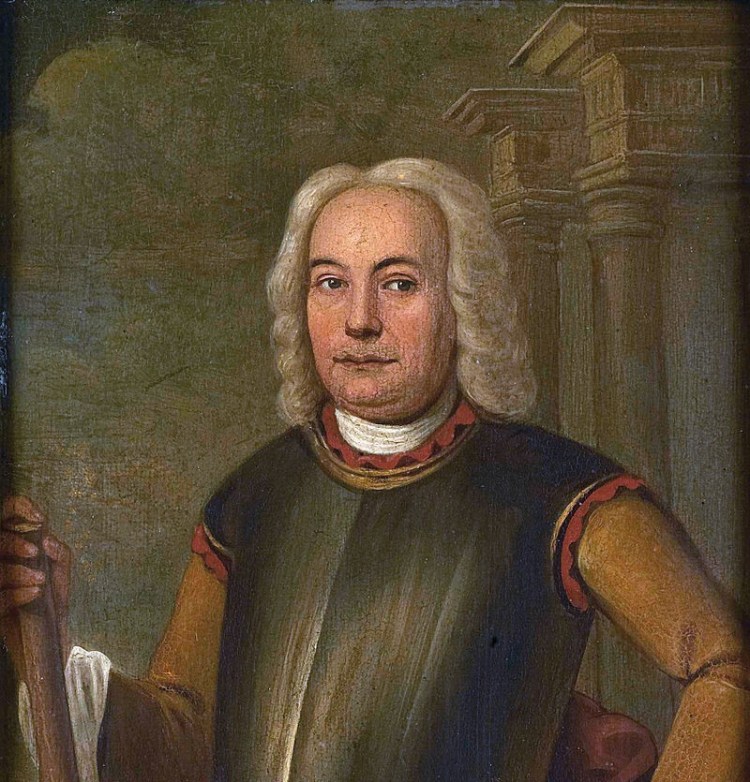
Johannes Thedens
AD 1680 – † 1748
file nr. 85.3220.ÔL
High-ranking officer and Governor-General of the Vereenigde Oost-Indische Compagnie (VOC) from 1741 until 1743. Born in the town of Friedrichstadt in Kreis Nordfriesland, Germany. At first a merchant in Japan, India, and Batavia. Later joined the VOC. Allegedly responsible for the violent crack-down of the Chinese uprising in Batavia, Java in the year 1740, following the Batavia massacre during which many thousands of Chinese had lost their lives, a pogrom started by Governor-General Adriaan Valckenier. After the Chinese uprising, the Chinese population was relocated by Thedens to Glodok, south of Batavia on theisland of Java.
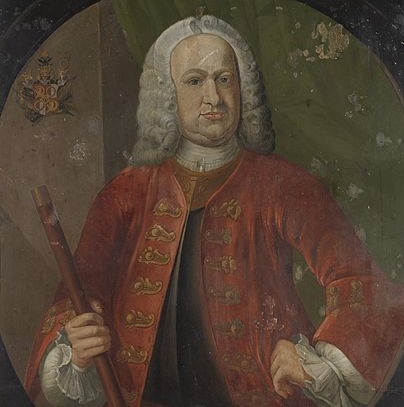
Gustaaf Willem Baron von Imhoff
AD 1705 – † 1750
file nr. 415.5001.LW
High-ranking officer of the Vereenigde Oost-Indische Compagnie (VOC) and Governor-General of Ceylon (1736-1740), modern Sri Lanka, and Governor-General of the Dutch East Indies (1743-1750). Born in the town of Leer in the region of Ostfriesland, Germany. Allegedly involved and/or (partly) responsible for initiating the war with the Indian kingdom Travancore.
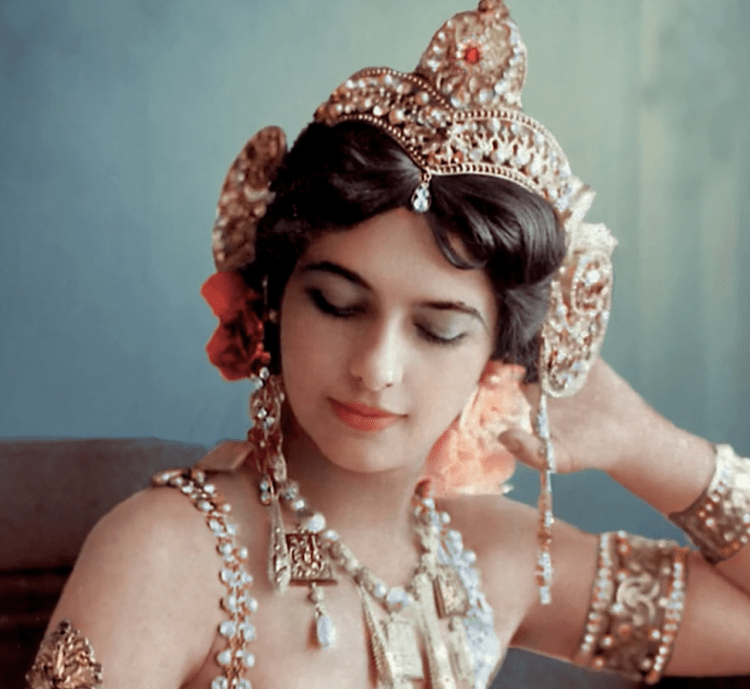
Margaretha Geertruida Zelle
AD 1876 – † 1917
file nr. 271.7750.JG
Courtesan and exotic dancer, also known as Mata Hari. Born in town of Leeuwarden in the district of Oostergo in the province of Friesland, the Netherlands. Allegedly spied for foreign powers. Although already punished for this, i.e. executed, this was done by a foreign, French authority and therefore not recognized. Indeed, c’est la guerre. See also our blog post Women of Frisia: Free and Unbound?
Of course, there are similarities with that other contemporary female spy Pauline Cushman (1833-1893) for the Union Army during the American Civil War, but without the courtesan element.
Note — The ICTF as for now has no mandate in ecocide cases. To think about extending its mandate to ICTF can be relevant because Frisians have something to explain when it comes to exterminating the Arctic whale and the wolf populations. We refer to our blog posts Happy Hunting Grounds in the Arctic. The Way the Whale’s Doom Was Sealed and Who’s Afraid of Voracious Woolf? — The Dread Beast Is Back.
Suggested music
- Buddy Guy, Guilty as Charged (2018)
- Roger Miller, Dang Me (1978)
Further reading
- Abbott, J.S.C., Peter Stuyvesant. The Last Dutch Governor of New Amsterdam (1873)
- Galestin, M.C., Frisii and Frisiavones (2016)
- Gelder, van R., Het Oost-Indisch avontuur. Duitsers in dienst van de VOC (1600-1800) 1997
- Goor, van J., Jan Pieterszoon Coen. Koopman-koning in Azië. 1587-1629 (2015)
- Henkes, B., Sporen van het slavernijverleden in Fryslân (2021)
- Historiek, Jan Pieterszoon Coen (1587-1629). Stichter van Batavia (2019)
- Historypedia, Pauline Cushman (2023)
- Hondius, D., Jouwe, N., Stam, D. & Tosch, J., Dutch New York Histories. Connecting African, Native American and Slavery Heritage. Geschiedenissen van Nederlands New York (2017)
- Hondius, D., Jouwe, N., Stam, D. & Tosch, J., The Netherlands Slavery Heritage Guide (2019)
- Kloek, E., 1001 vrouwen in de 20ste eeuw (2018)
- Knottnerus, O.S., Redbad als icoon van de Friese identiteit (2021)
- Koops, E., Peter Stuyvesant (1612-1672). Gouverneur-generaal van Nieuw-Nederland. De calvinist met het Zilveren Veen (2020)
- Moolenbroek, van J., Friezen op kruistocht tegen de katharen in Occitanië (2021)
- Steensen, T. Nordfriesland. Menschen von A-Z (2020)
- Venema, J., Beverwijck. A Dutch Village on the American Frontier, 1652-1664 (2003)
- Vries, O., Bernardus Bucho Aytta van Swichum. Vorstendienaar in priesterhabijt (2009)


Termunten was not Fivelgo, it was its own land, Menterne, also known as Oldambt. Menterne is mentioned as independent war party next to Hunsingo and Fivelgo in 1250 in the chronicle of Wittewierum.
LikeLike