
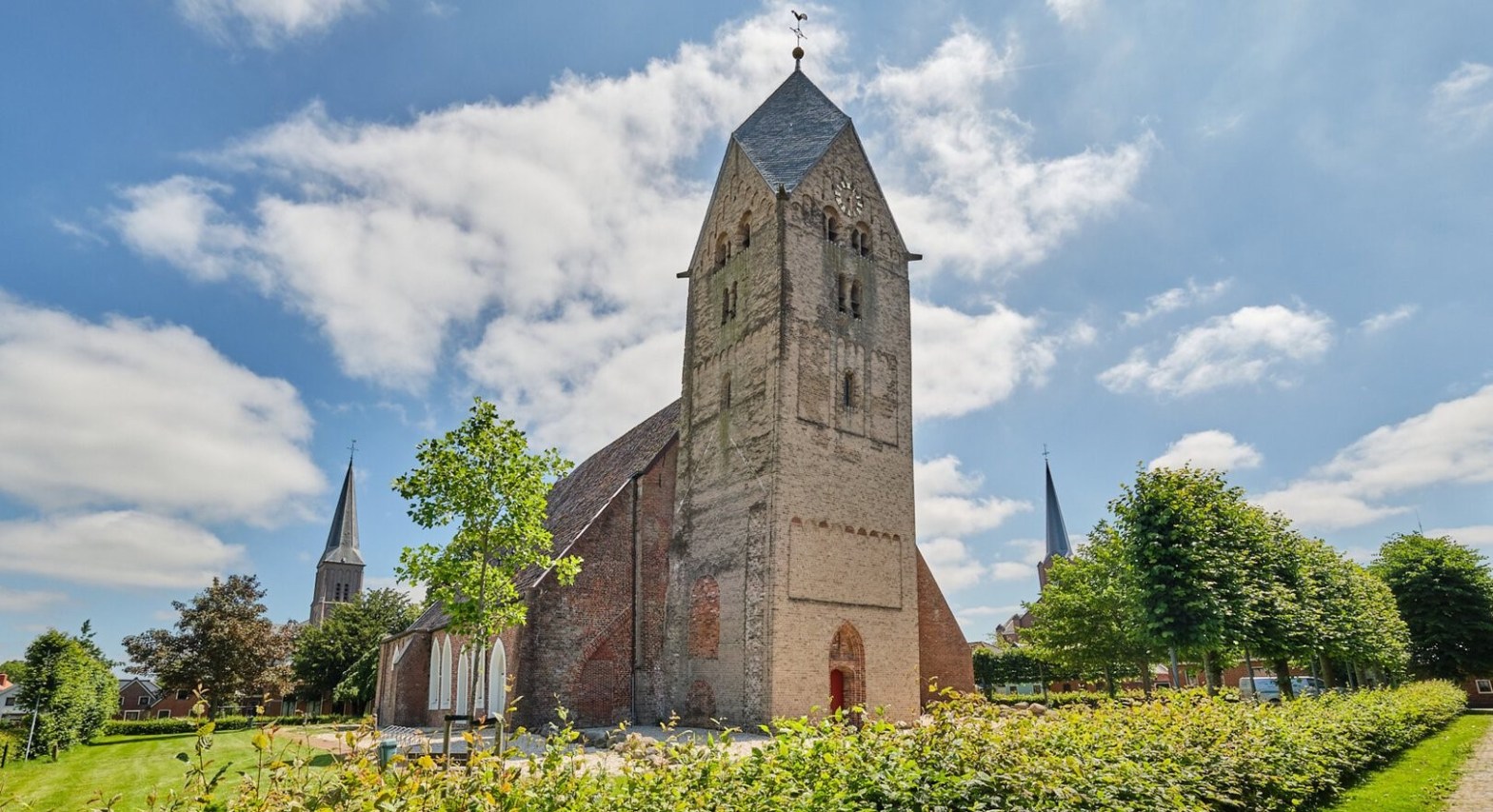
This blog post is not about Aindreas Ó Céirín (1840–1915), better known as Brother Walfrid, the Irish founder of the Scottish football club Celtic F.C.. No, this post is about the original — the one and only: the Frisian Walfrid. The one who, according to legend, was murdered by a band of roaming Vikings inContinue reading “Walfrid, You’ll Never Walk Alone”
Author Archives: hans faber
Harbours, Hookers, Heroines, and Women in Masquerade

Dockyards, quays, terminals, warehouses, wharves, anchorages, lighthouses, and beacons. Craftsmen, shipping companies, customs offices, pilot services, and other port authorities. Fish auctions, boarding houses, lodgings, packing sheds — you name it. Seaports exist to meet the needs of everything that arrives from the sea or sets out to it. But beyond commerce, ports have traditionallyContinue reading “Harbours, Hookers, Heroines, and Women in Masquerade”
Movie Star Ben-Hur Made Peace With Frisian Raiders
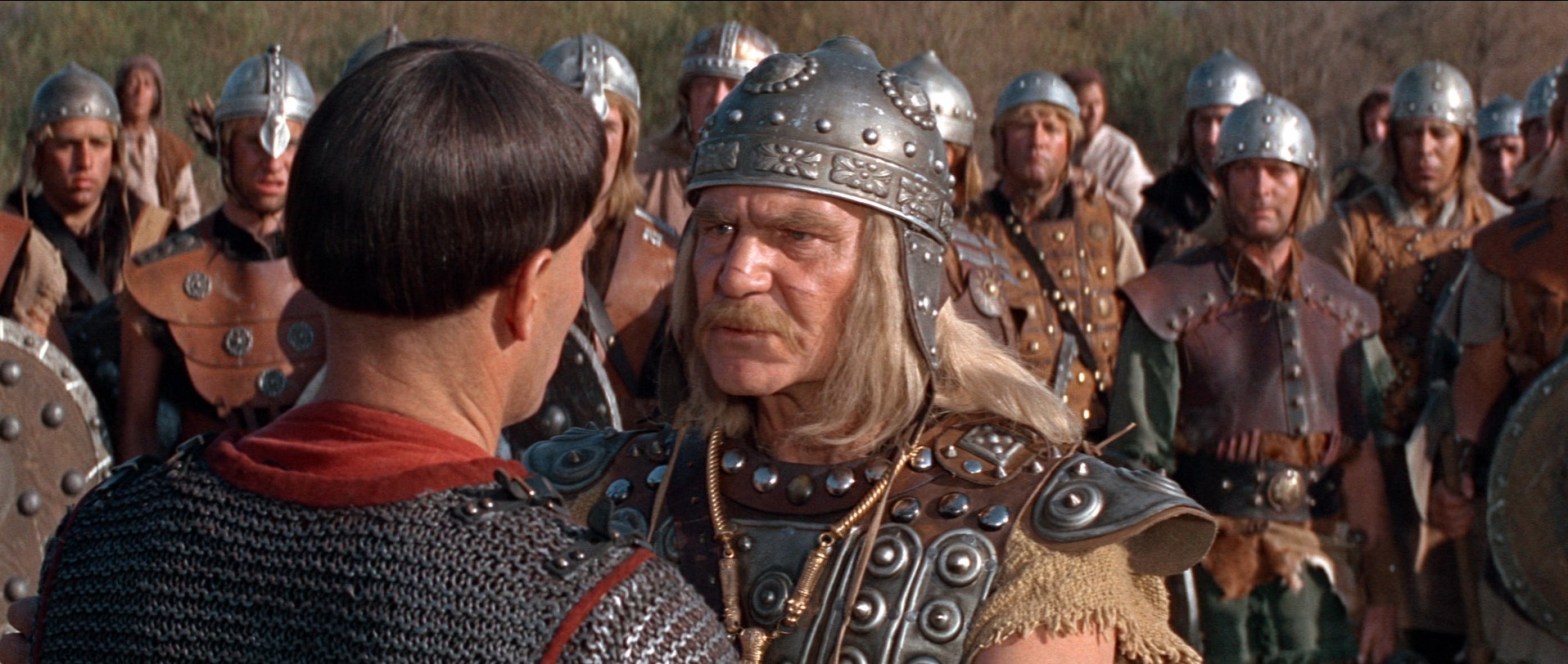
Who does not know the epic film Ben-Hur, released on the big screen in 1959? In this classic, Hollywood actor and civil rights activist Charlton Heston (1923–2008) portrayed Judah Ben-Hur, a performance that earned him an Oscar. Six years later, Heston took on the role of Chrysagon in The War Lord — a much braverContinue reading “Movie Star Ben-Hur Made Peace With Frisian Raiders”
A Horsewoman From Harlingen in the Highlands — Hiking the Cape Wrath Trail
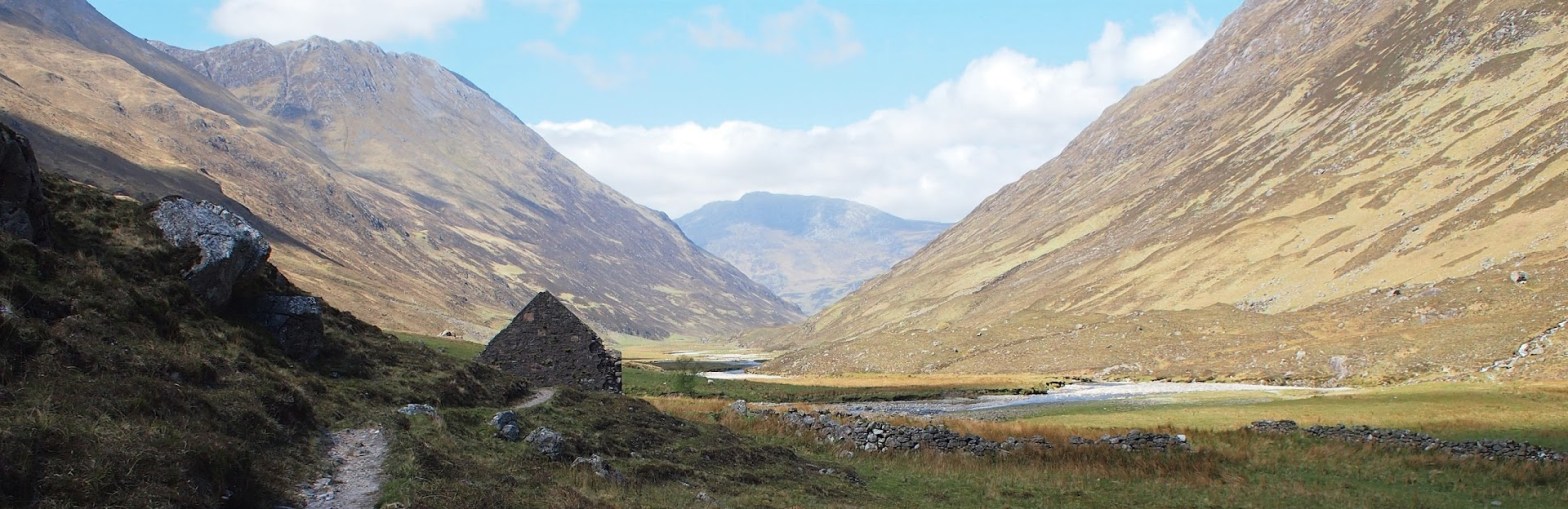
May 2017. One of the Frisian bastards set out to hike the Cape Wrath Trail in Scotland — a roughly 300-kilometer trek through the remote upper north-western Highlands. The journey began at the settlement of Inbhir Garadh (Invergarry) and stretched all the way to the isolated lighthouse on the cliffs of Cape Wrath, and itsContinue reading “A Horsewoman From Harlingen in the Highlands — Hiking the Cape Wrath Trail”
Pagare il Fio. How the Romans Fared in the Wet Woodlands and Salt Marshes

Pagare il fio is Italian for ‘paying the penalty,’ though literally it means ‘paying the fee,’ a phrase inherited from the northern peoples — the so-called Barbarians — who toppled the Western Roman Empire. The English word fee comes from Old English feoh, which survives as fee in Mid Frisian, vee in Dutch, and ViehContinue reading “Pagare il Fio. How the Romans Fared in the Wet Woodlands and Salt Marshes”
Come to Rescue ‘The Rolling Sheep’
Hiking demands careful preparation, especially when it comes to personal safety. What is in your First Aid Kit? Do you have basic first aid skills to handle an accident? Unless you plan a solitary walk across the Wadden Sea mudflats, help is never far away on the Frisia Coast Trail. Provided you have a swimContinue reading “Come to Rescue ‘The Rolling Sheep’”
♪ They Want You as a New Recruit ♪

‘In the Navy,’ a song by the American disco-pop group Village People, seems an unlikely anthem for the small villages along the southern coast of the North Sea. Yet these villages belong to a region once united, in myth and memory, as the Seven Sealands, and to a people who helped lay the foundations ofContinue reading “♪ They Want You as a New Recruit ♪”
Like Father, Unlike Son — Un Saint Frison en France
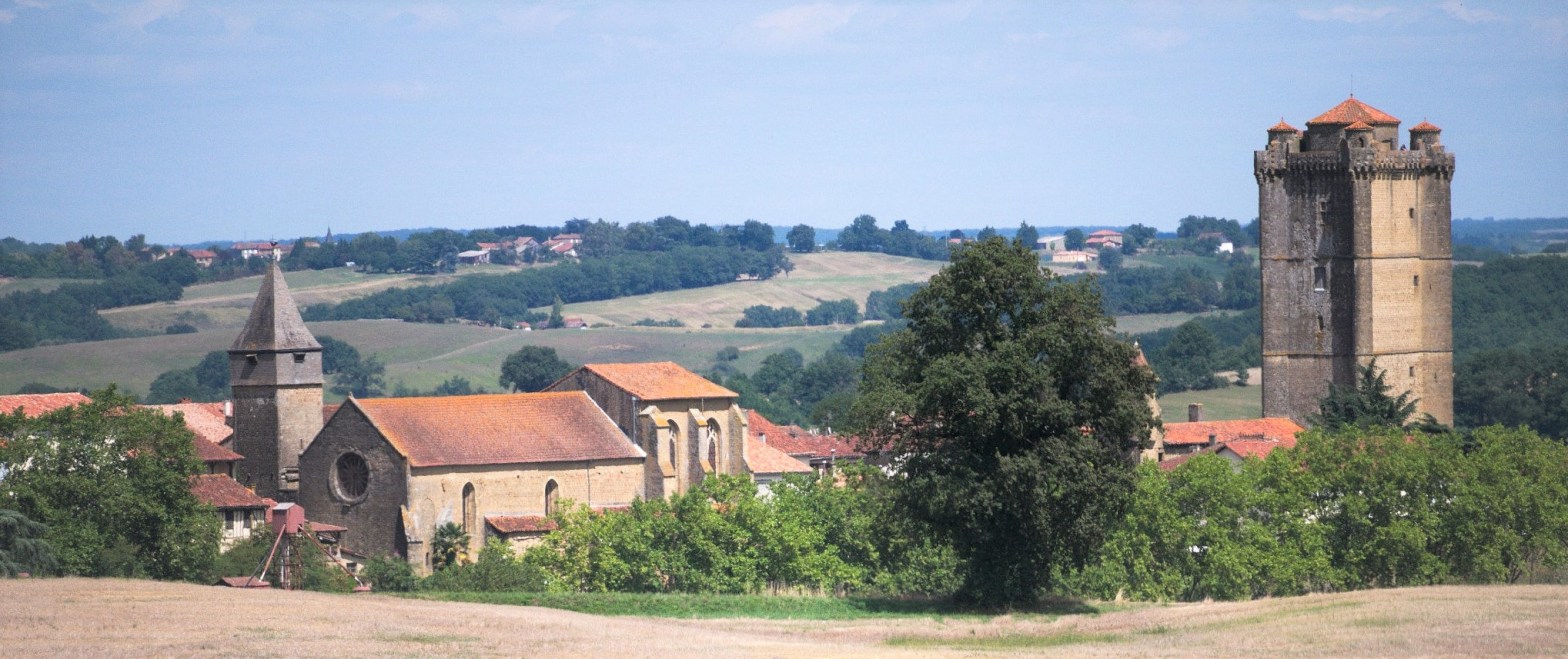
The Battle of Tours in AD 732 was a turning point in the wars against the Umayyad Caliphate. The Caliphate was one of the biggest empires in history, but it lost this battle. At the confluence of the rivers Clain and Vienne, the Franks, led by statesman majordomo Charles Martel, only just managed to defeatContinue reading “Like Father, Unlike Son — Un Saint Frison en France”
Well, the ‘Thing’ Is… Speaking From the Moral High Ground of Old

The heart of Western democracies is the joint assembly of Parliament, Cabinet, and High Councils of State. Its Celtic-Germanic origin is the thing, also called ting, ding, or þing in other writings. Today, national assemblies in Scandinavian countries still refer to this ancient tradition. For example, the parliaments of the Faroes Løgting, of Greenland Landsting,Continue reading “Well, the ‘Thing’ Is… Speaking From the Moral High Ground of Old”
A Frontier Known as Watery Mess: The Coast of Flanders

At the end of the eighth century, by decree of Charlemagne and under the supervision of the wise men Wlemar and Saxmund, the customary law of the Frisians was codified. It is called the Lex Frisionum. Its jurisdiction included the land between Flehum and Sincfalam, between the rivers Vlie and Sincfalam river. The River FlehumContinue reading “A Frontier Known as Watery Mess: The Coast of Flanders”

