

For many turbulent centuries, the town of Stavoren was a tightrope walker before it finally settled as a small harbour at the Lake IJsselmeer. Living in retirement from well-to-do owners of white yachts, sailing boats, and other pleasure vessels. Now it looks back on when Saint Odulf arrived in the ninth century to convert theContinue reading “Stavoren. Balancing on a Slack Rope of Religion, Trade, Land, Water, Holland, and Frisia”
Tag Archives: tax
From Patriot to Insurgent: John Fries and the First Tax Rebellions
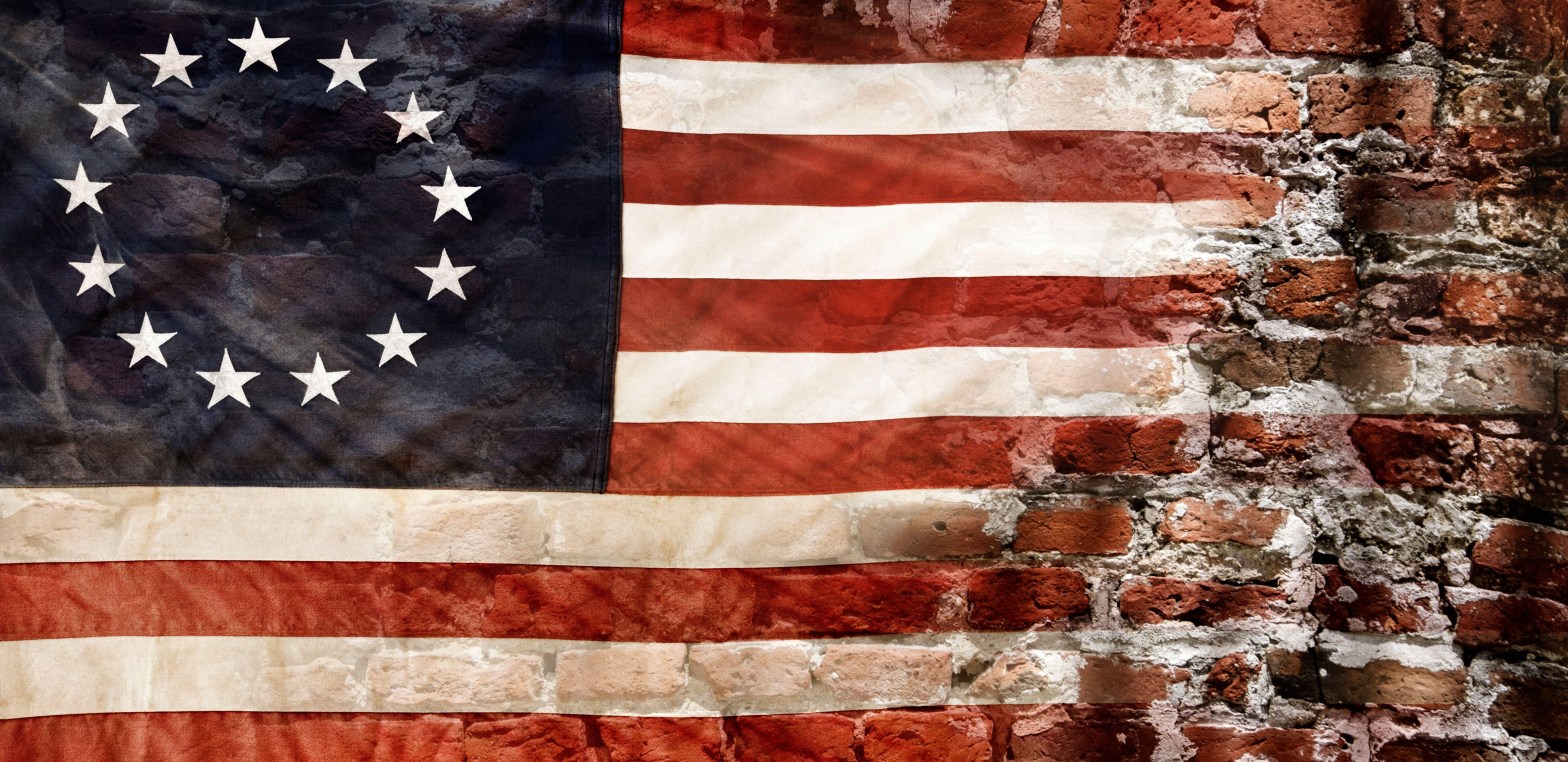
On the Facebook page ‘Frisian Americans‘, the question popped up regarding the role certain Frisians played in the Whiskey Rebellion in Pennsylvania in 1794. We checked, and the short answer is: none. The Whiskey Rebellion was a revolt of the so-called Pennsylvania Dutch farmers resisting the taxation of whiskey. It was crushed — without iceContinue reading “From Patriot to Insurgent: John Fries and the First Tax Rebellions”
Pagare il Fio. How the Romans Fared in the Wet Woodlands and Salt Marshes

Pagare il fio is Italian for ‘paying the penalty,’ though literally it means ‘paying the fee,’ a phrase inherited from the northern peoples — the so-called Barbarians — who toppled the Western Roman Empire. The English word fee comes from Old English feoh, which survives as fee in Mid Frisian, vee in Dutch, and ViehContinue reading “Pagare il Fio. How the Romans Fared in the Wet Woodlands and Salt Marshes”
With a Noose Through the Norsemen’s Door
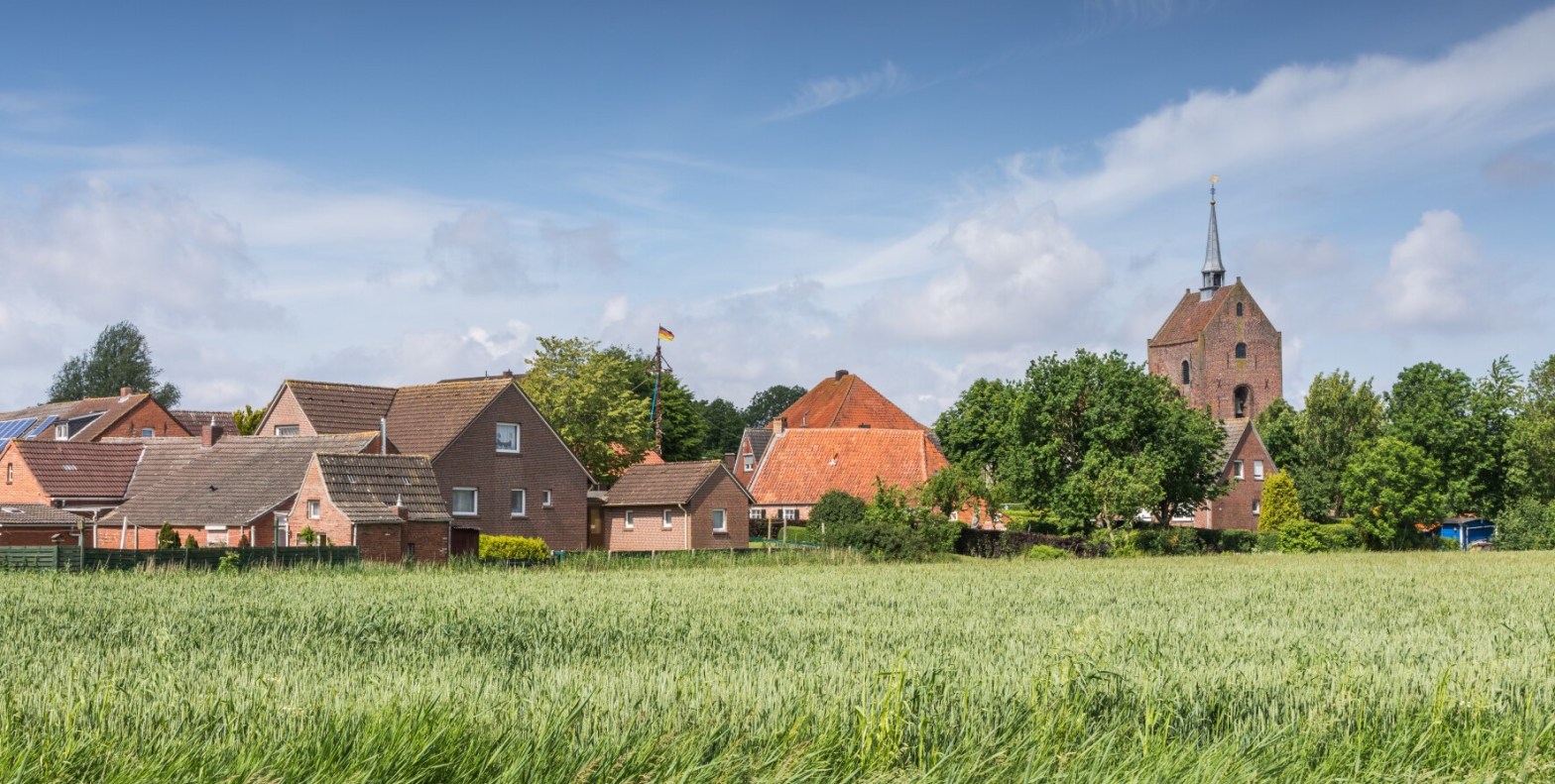
Although the conversion of the Woden-devoted Frisians was a slow and cumbersome process that only succeeded in depth in the tenth century, Frisia subsequently turned into the richest ecclesiastical area of Europe. Nowhere else on the Isles and the Continent were there this many monasteries and churches packed together. Even though nearly all monasteries haveContinue reading “With a Noose Through the Norsemen’s Door”
Latið Meg Ei á Frísaland Fordervast! And the Murder of a Bishop
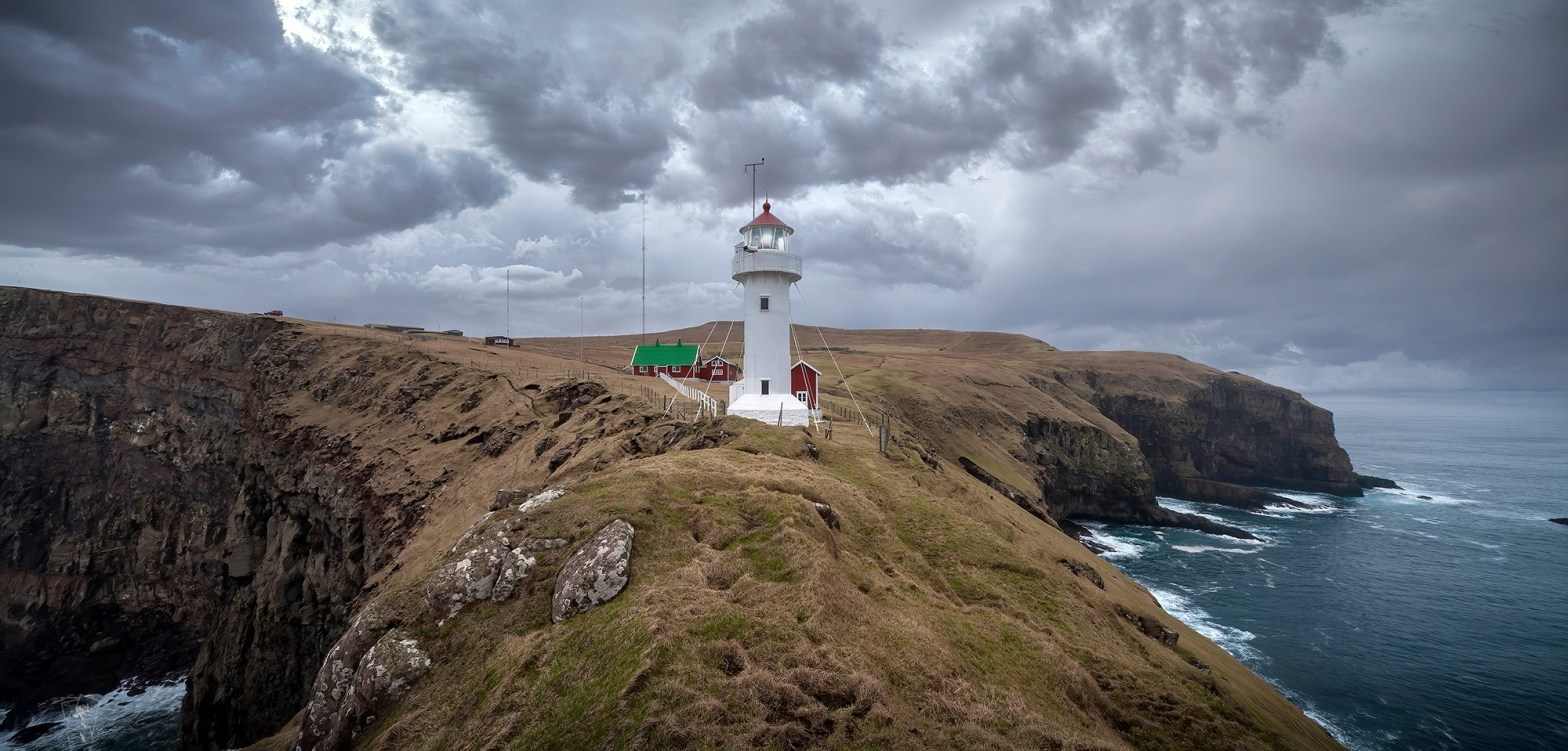
Latið meg ei á Frísaland fordervast! This is the Faroese language, and its translation is: ‘Do not let me perish in Friesland!’ It is a cry of a Faroese young woman when she was being kidnapped by Frisian pirates somewhere in the Middle Ages. The question of this blog post is not about how onContinue reading “Latið Meg Ei á Frísaland Fordervast! And the Murder of a Bishop”
Merciless Medieval Merchants and Slavers

The earliest evidence of Frisian merchants — or kāpmon in the Old Frisian language — engaging in the slave trade dates back to the first half of the seventh century. No less an authority than the Venerable Bede, the Father of English history, recorded this criminal activity. He described a merchant operating in the marketsContinue reading “Merciless Medieval Merchants and Slavers”
Magnus’ Choice. The Origins of the Frisian Freedom
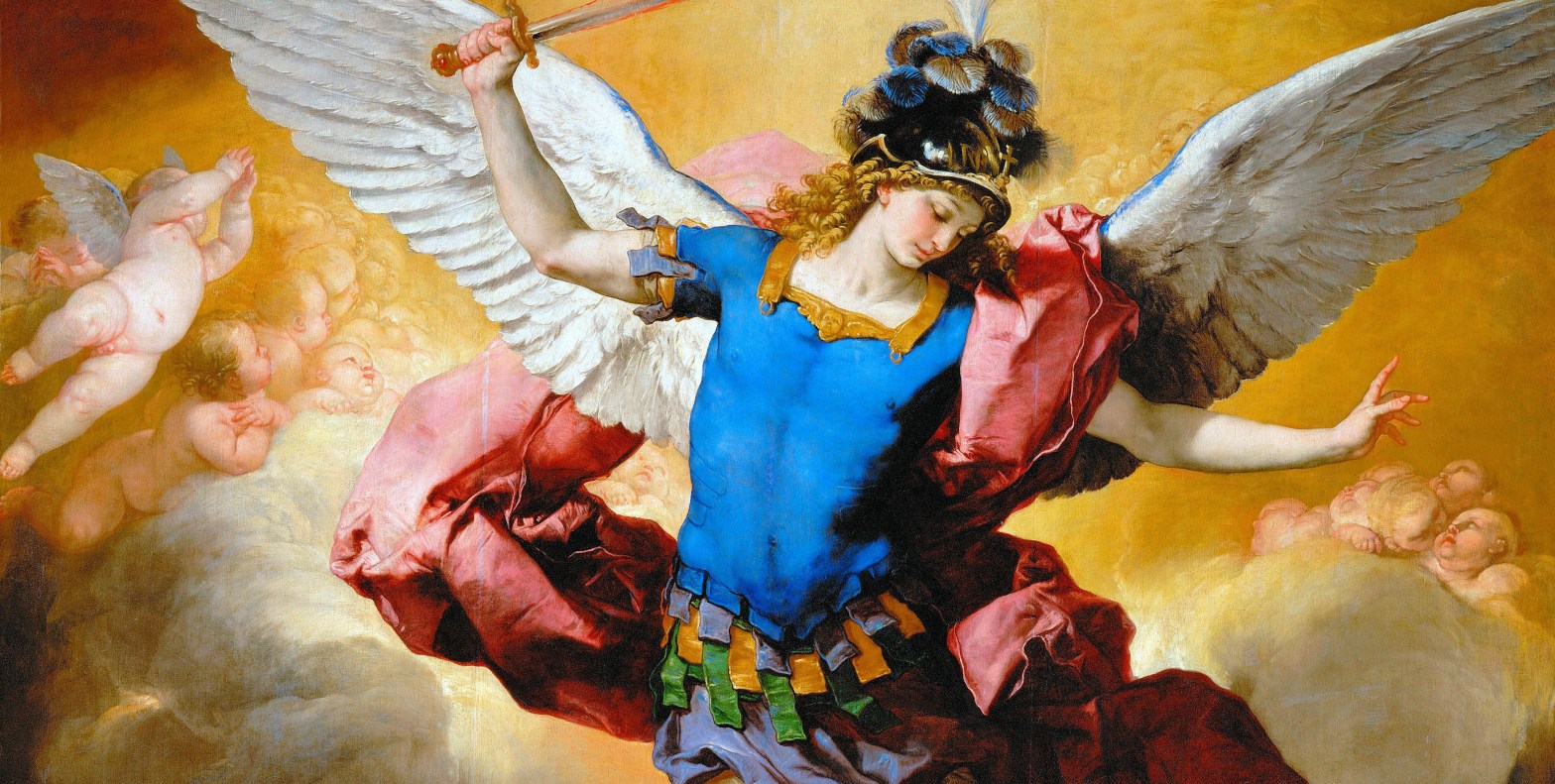
According to medieval legend, around the year 800, Charlemagne and Pope Leo clashed with the citizens of Rome. The Pope was attacked and forced to flee the city. It was an army of ‘naked’ Frisians, led by Magnus, that stormed back in, retaking the citadel and the Urbs Aeterna — the Eternal City. In gratitude,Continue reading “Magnus’ Choice. The Origins of the Frisian Freedom”
The United Frisian Emirates and Black Peat. How Holland Became Dutch
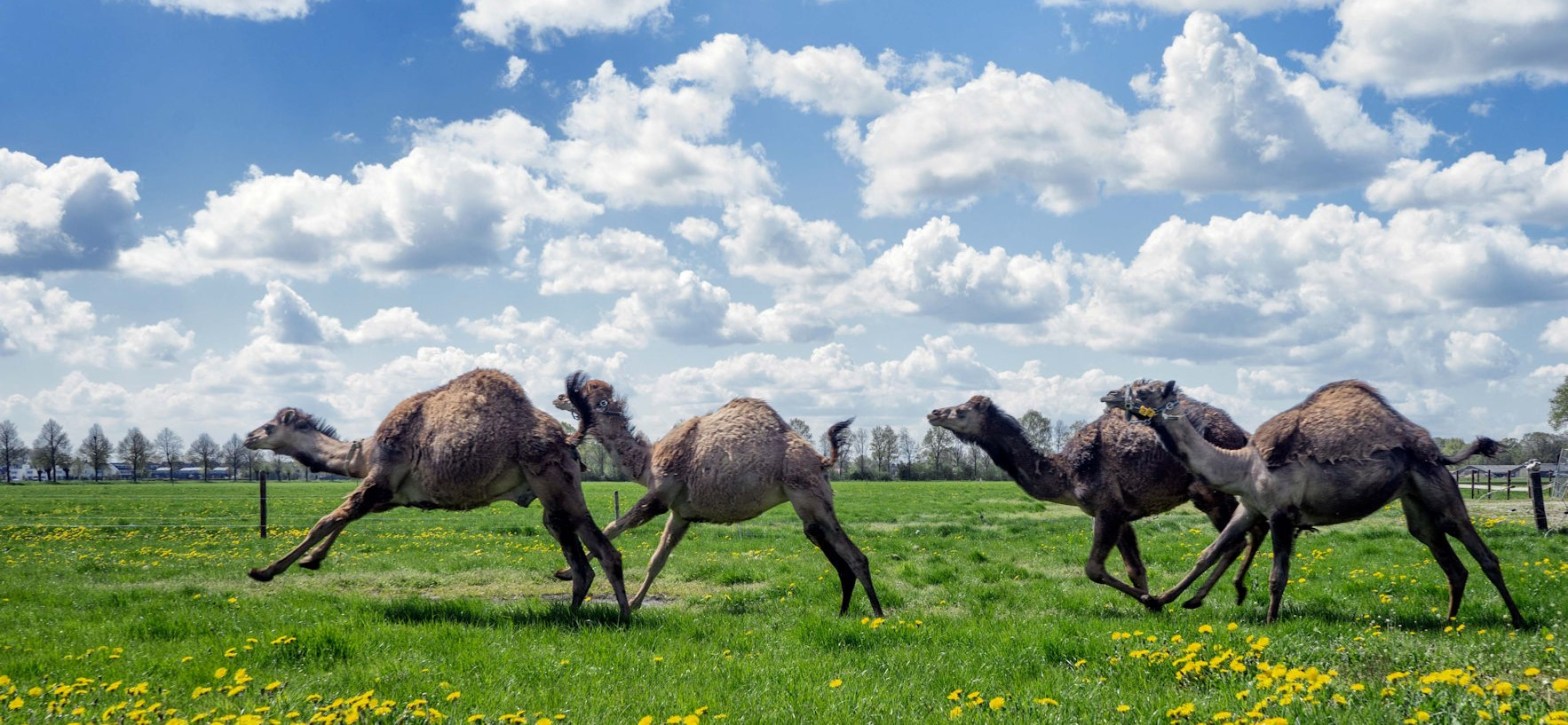
In this blog post, we will argue that the Frisian lands might just as well be called the United Frisian Emirates. Granted, there are a few superficial differences with the modern United Arab Emirates. The Emiratis have camels and goats; the Frisians have cows and sheep. Their climate is hot and dry; the Frisians’ isContinue reading “The United Frisian Emirates and Black Peat. How Holland Became Dutch”
Foreign Fighters Returning From Viking Warbands
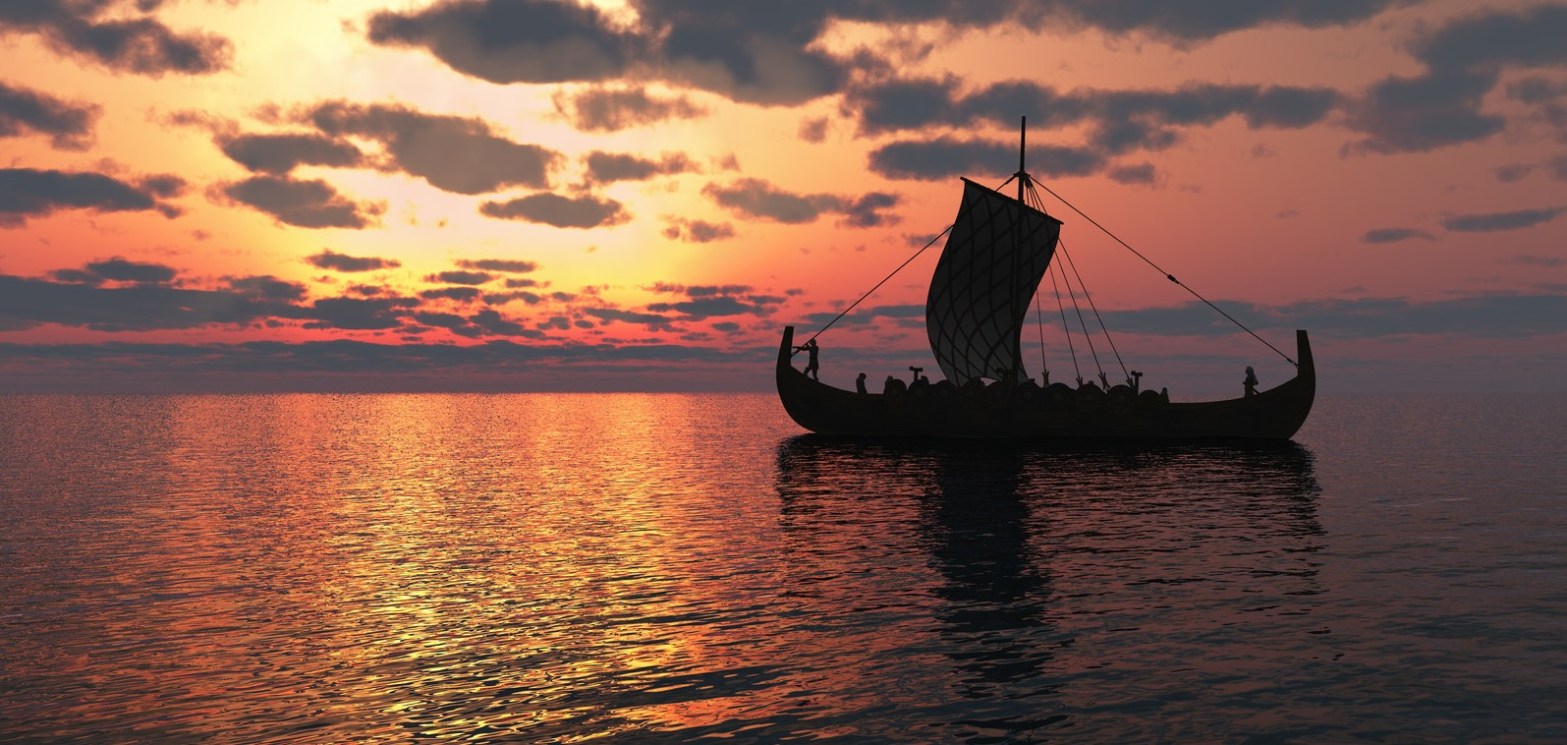
From 2012 onward, about 5,000 foreign fighters from various European countries travelled to the Levant to join the fighting. Six years later, roughly fifteen percent had died in combat. Others remained in the Middle East — imprisoned or drifting toward new conflict zones as terrorist groups lost ground. But some returned home. This wave ofContinue reading “Foreign Fighters Returning From Viking Warbands”
Terrorist Fighters From the Wadden Sea. The Era of the Crusades
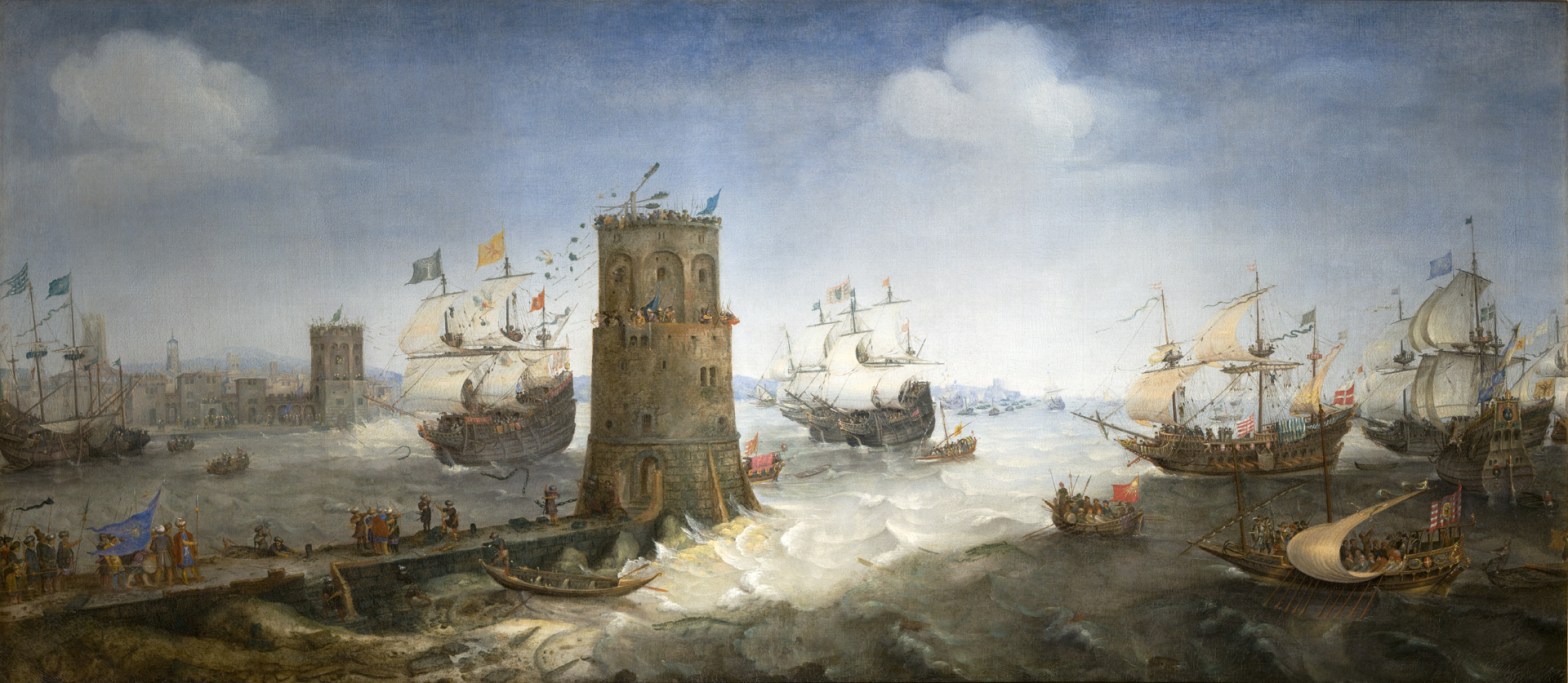
When it comes to the deradicalization of foreign terrorist fighters in modern Western societies, the Frisians — meaning here the present-day regions of Ostfriesland and Land Wursten in Germany, and the provinces of Friesland and Groningen in the Netherlands — have neither a strong track record nor notable expertise to offer. Their only meaningful contributionContinue reading “Terrorist Fighters From the Wadden Sea. The Era of the Crusades”
 Frisia Coast Trail