

The fate of tribes and their names in the age of the Great Migration, between the fourth and sixth centuries, was anything but certain. Most simply disappeared. Celtic and Germanic peoples alike faded from the stage of history — some crushed by alliances of stronger tribes, others absorbed into new tribes, and still others vanishingContinue reading “The Chronicles of Warnia. When History Seems a Fantasy Story”
Tag Archives: Rhine
Barbarians Riding to the Capital to Claim Rights on Farmland
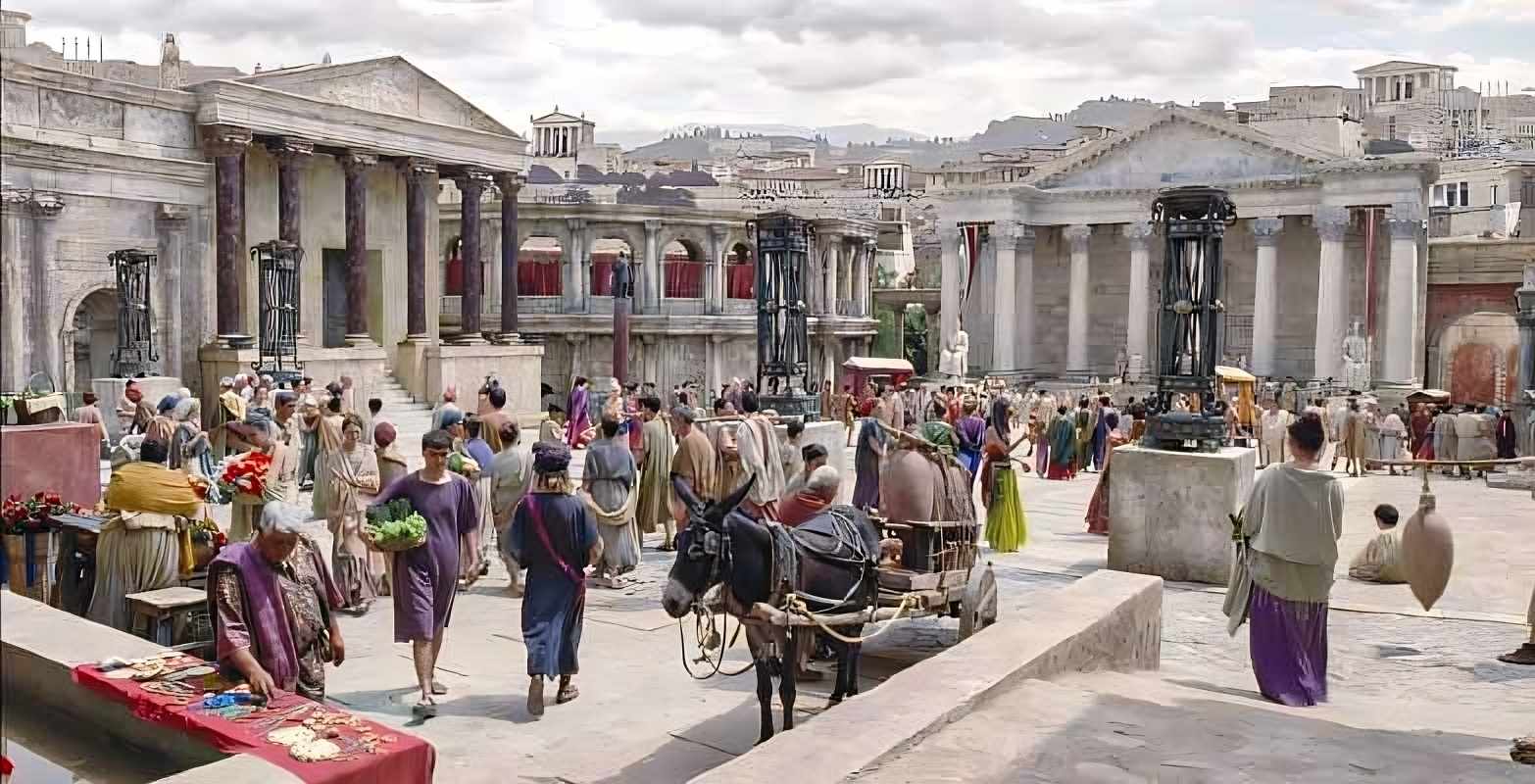
This is not a blog post about the current agriculture and nitrogen debates between the government in Brussels and farmers in Flanders, Germany, and the Netherlands. Not about farmers driving to The Hague capital with their tractors. No, this is the two-millennia-old story of two Frisian kings who travelled all the way to Rome, theContinue reading “Barbarians Riding to the Capital to Claim Rights on Farmland”
Late Little Prayers at the Lorelei Rock. Reckless Rhine Skippers in Distress
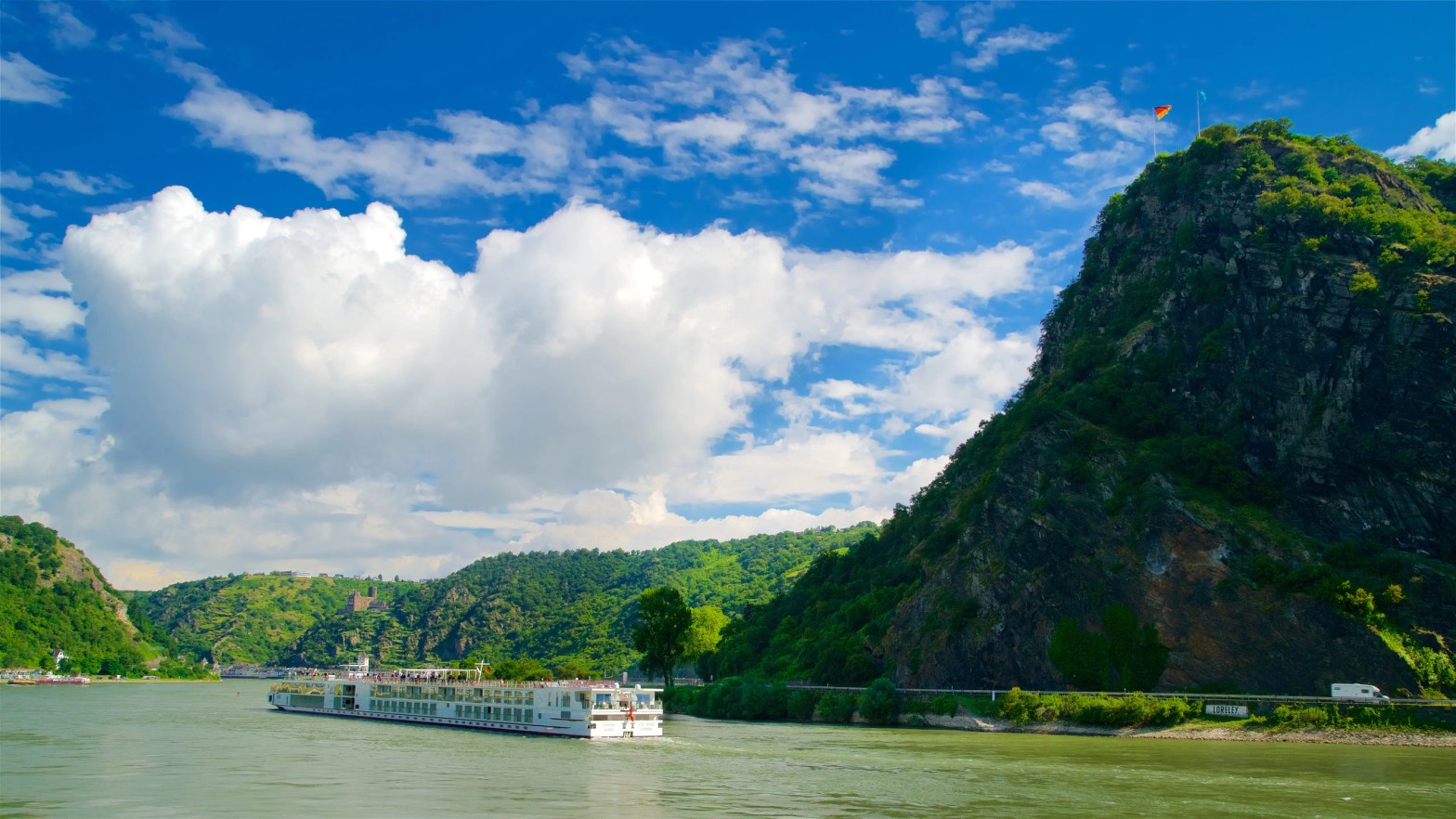
On the west bank of the mighty River Rhine, halfway between the cities of Koblenz and Mainz, lies the town of Sankt Goar. Named after Saint Goar of Aquitaine, a hermit who retreated here in the sixth century. Diagonally across the river stands the famous and mystical Lorelei Rock: steep and over 130 meters high.Continue reading “Late Little Prayers at the Lorelei Rock. Reckless Rhine Skippers in Distress”
Don’t Believe Everything They Say About Sweet Cunera
Imagine this: one day your husband brings home a young, unmarried woman. A virgin, even. He simply takes her into your house, openly shows her affection — and who knows what else. But that is not all. He also gives this maiden full access to your pantry and your savings account, which she — forContinue reading “Don’t Believe Everything They Say About Sweet Cunera”
Pagare il Fio. How the Romans Fared in the Wet Woodlands and Salt Marshes

Pagare il fio is Italian for ‘paying the penalty,’ though literally it means ‘paying the fee,’ a phrase inherited from the northern peoples — the so-called Barbarians — who toppled the Western Roman Empire. The English word fee comes from Old English feoh, which survives as fee in Mid Frisian, vee in Dutch, and ViehContinue reading “Pagare il Fio. How the Romans Fared in the Wet Woodlands and Salt Marshes”
Our Civilization — It All Began With Piracy

The arrival of the Romans in north-western Europe at the beginning of the Common Era, with the River Rhine as their northern frontier, marked the starting point for five centuries of widespread piracy. These raids affected not only the coasts of Britannia and northern Gaul but rippled as far as the Mediterranean and the BlackContinue reading “Our Civilization — It All Began With Piracy”
Out of Averting the Inevitable an Unruly Community Was Born
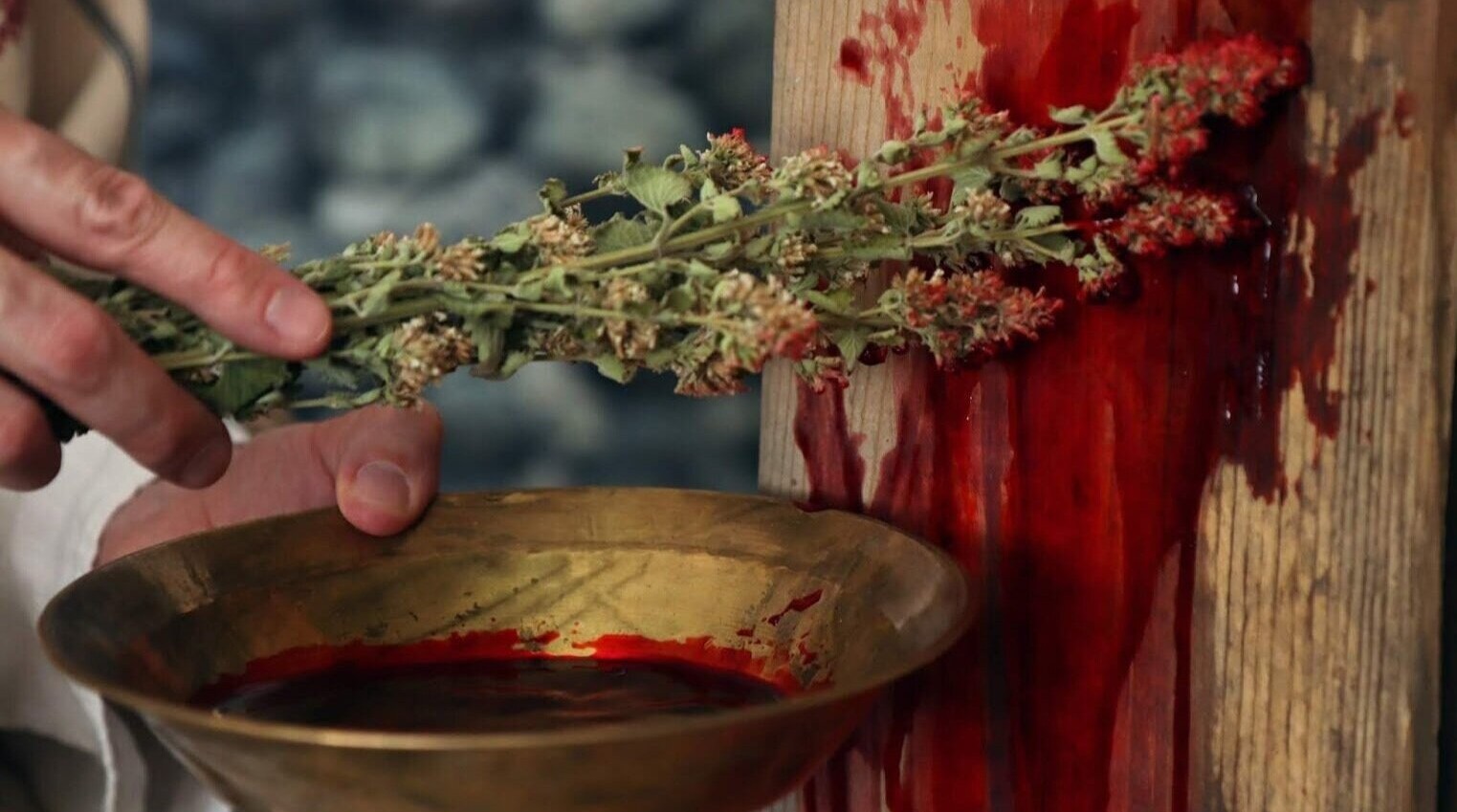
On March 25, 2020, the coronavirus pandemic was climbing towards its second peak. There was uncertainty about how destructive the pandemic was going to be in the long run. How many family members and loved ones would it take? It was a phenomenon of chaos and destruction that confronted us with the limitations of anContinue reading “Out of Averting the Inevitable an Unruly Community Was Born”
The Batwing Doors of Dorestad. A Two-Way Gateway of Trade and Power
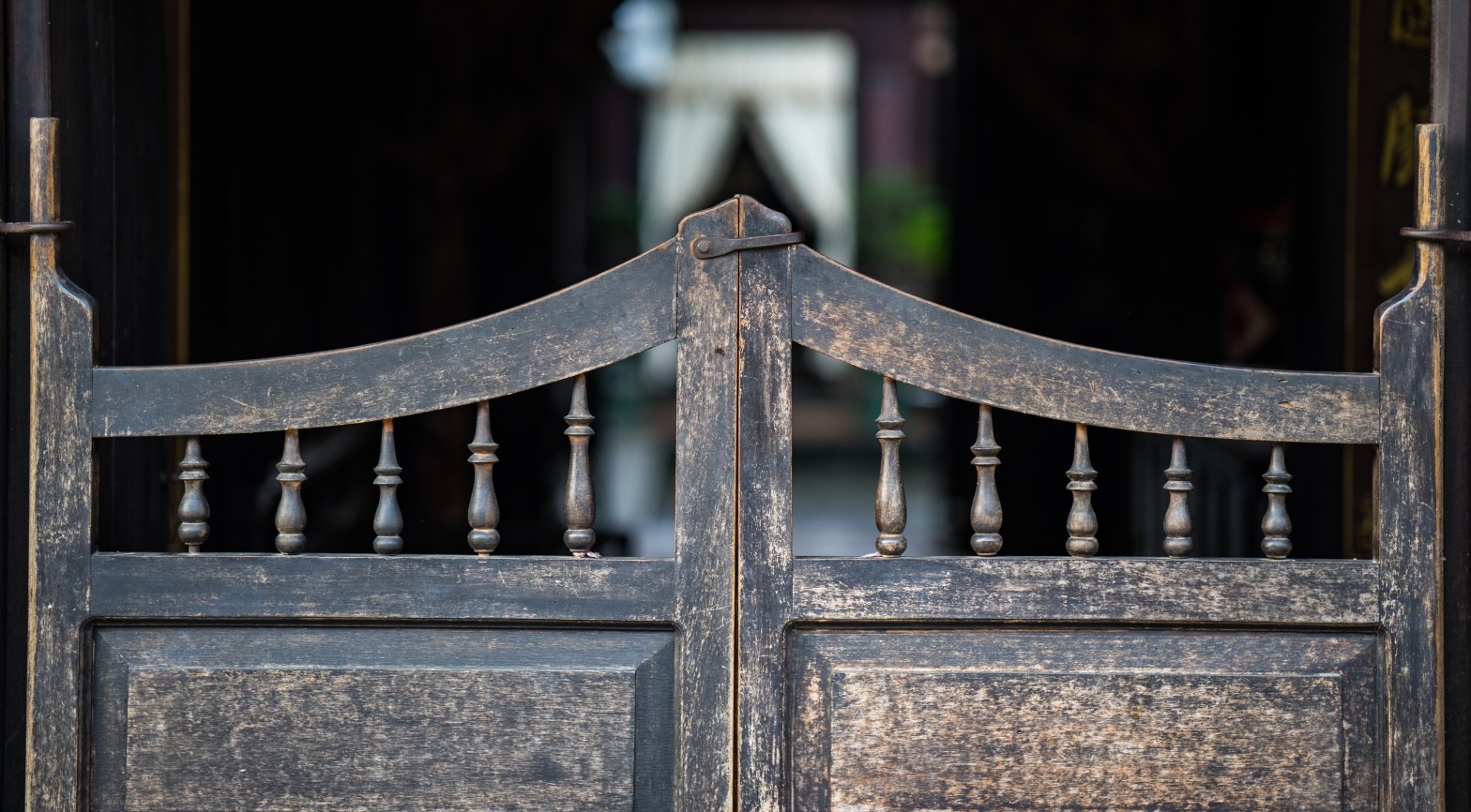
“Is the seaport Maasvlakte the gateway to north-western Europe? No? How about Europoort? Still no? What about the Botlek port area? Or the town of Vlaardingen? No again? Surely it must be the city of Rotterdam then! Wait — neither? Alright, last guess: since you guys only talk and brag about Frisia, could it beContinue reading “The Batwing Doors of Dorestad. A Two-Way Gateway of Trade and Power”
Ornament of the Gods Found in a Pile of Clay. The Brísingamen of Wijnaldum

In the year 516, King Hygelac of the Geats, a tribe in — probably — the southeast of Sweden, raided Frisia. Back then, this part of the Netherlands was an impenetrable land with big rivers, little streams, swamps, peat bogs, and damp forests covered with moss and mould. Hygelac’s expedition into Frisia was less fortunate,Continue reading “Ornament of the Gods Found in a Pile of Clay. The Brísingamen of Wijnaldum”
The Abbey of Egmond and the Rise of the Gerulfing Dynasty
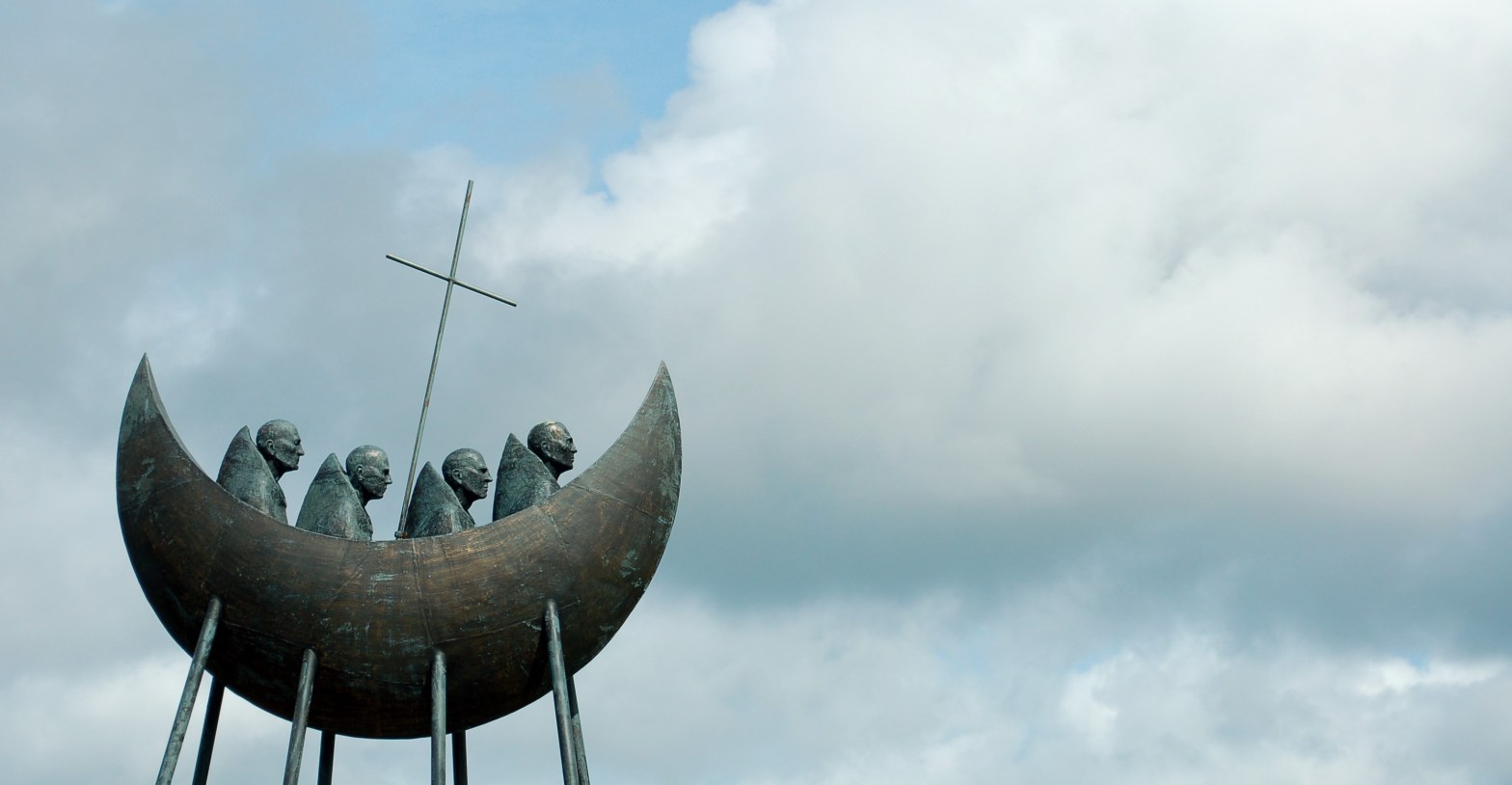
The monk Ecgberht of Ripon was the driving force behind the Christianization of the defiant heathens of Frisia. From the influential monastery of Rath Melsigi in Ireland, he launched wave after wave of monks, priests, and other clergy toward the Frisian coast. Among his spiritual soldiers were the monks Willibrord and Adalbert. After receiving theirContinue reading “The Abbey of Egmond and the Rise of the Gerulfing Dynasty”
 Frisia Coast Trail