
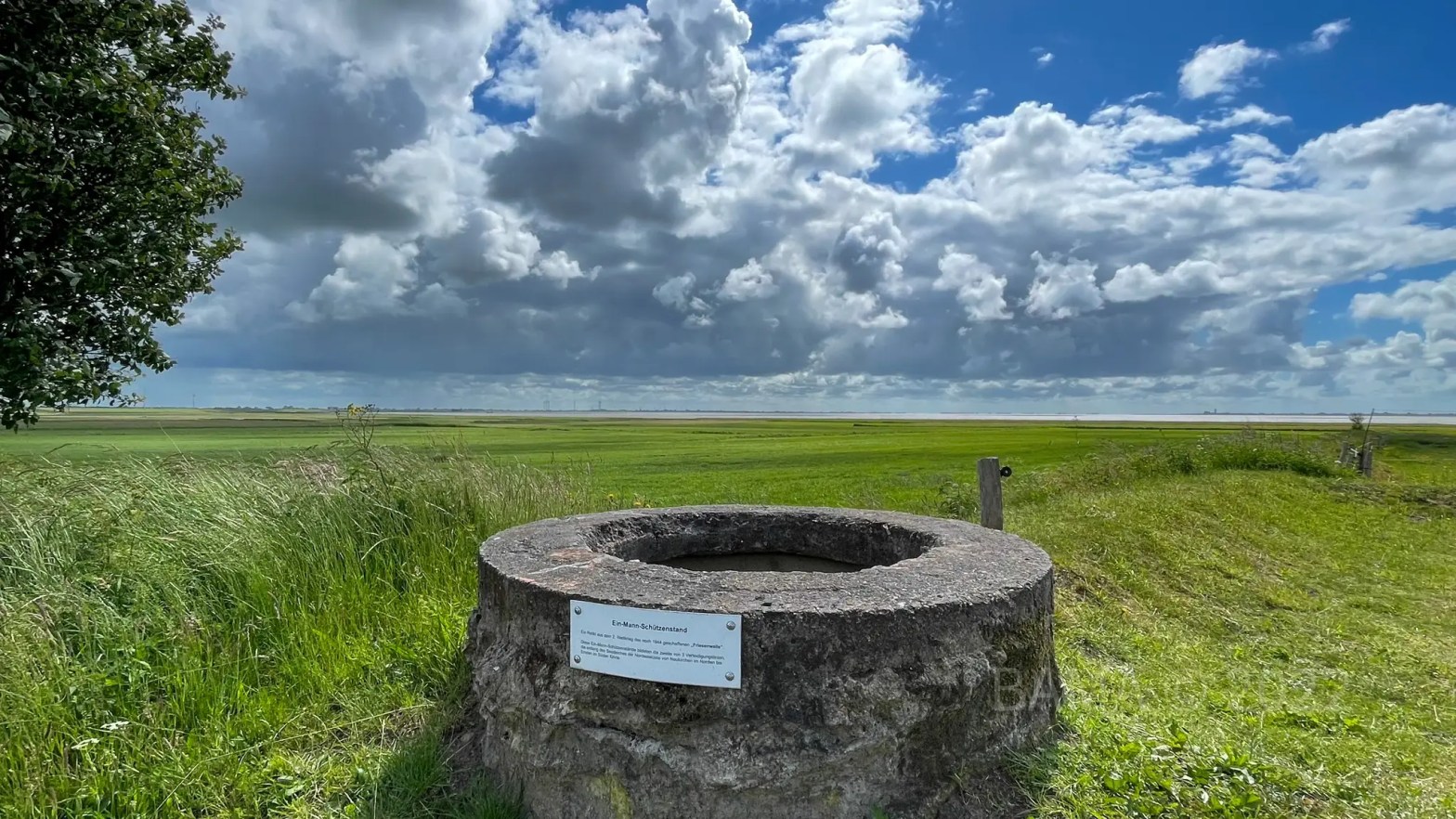
On 28 August 1944, a desperate Hitler ordered the construction of a massive defensive line in northern Germany, stretching from the Netherlands to Denmark. Intended as a safeguard in case the Allies opened a fourth front, it followed the model of the Atlantikwall and was named der Friesenwall. The name also reflected the twisted NaziContinue reading “Der Friesenwall. An Unfinished Last-Ditch Coastal Defence System”
Tag Archives: battles & war
“Ich Mag Ihre Pelzer- und Schustertöchter Nicht!” — And a Kiss of Death
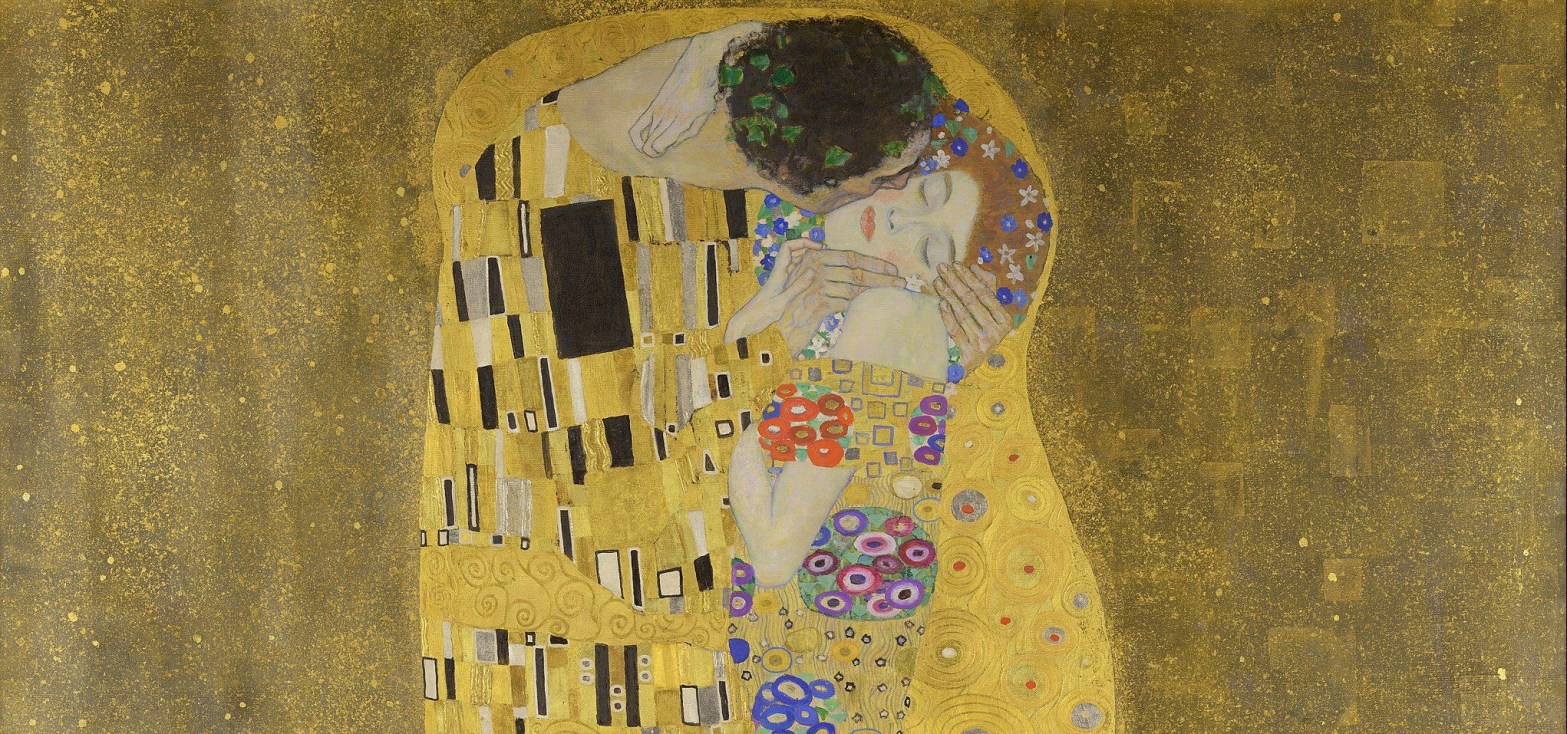
Like everywhere along the Wadden Sea shores in the fourteenth and fifteenth centuries, the small republics of the tidal marshlands fought battle after battle against foreign aggressors seeking to subdue them. Counts, bishops, and cities alike tried to lay their hands on these fertile and strategically located lands. And if the threat was not fromContinue reading ““Ich Mag Ihre Pelzer- und Schustertöchter Nicht!” — And a Kiss of Death”
The Chronicles of Warnia. When History Seems a Fantasy Story

The fate of tribes and their names in the age of the Great Migration, between the fourth and sixth centuries, was anything but certain. Most simply disappeared. Celtic and Germanic peoples alike faded from the stage of history — some crushed by alliances of stronger tribes, others absorbed into new tribes, and still others vanishingContinue reading “The Chronicles of Warnia. When History Seems a Fantasy Story”
Guerrilla in the Polder. The Battle of Vroonen in 1297
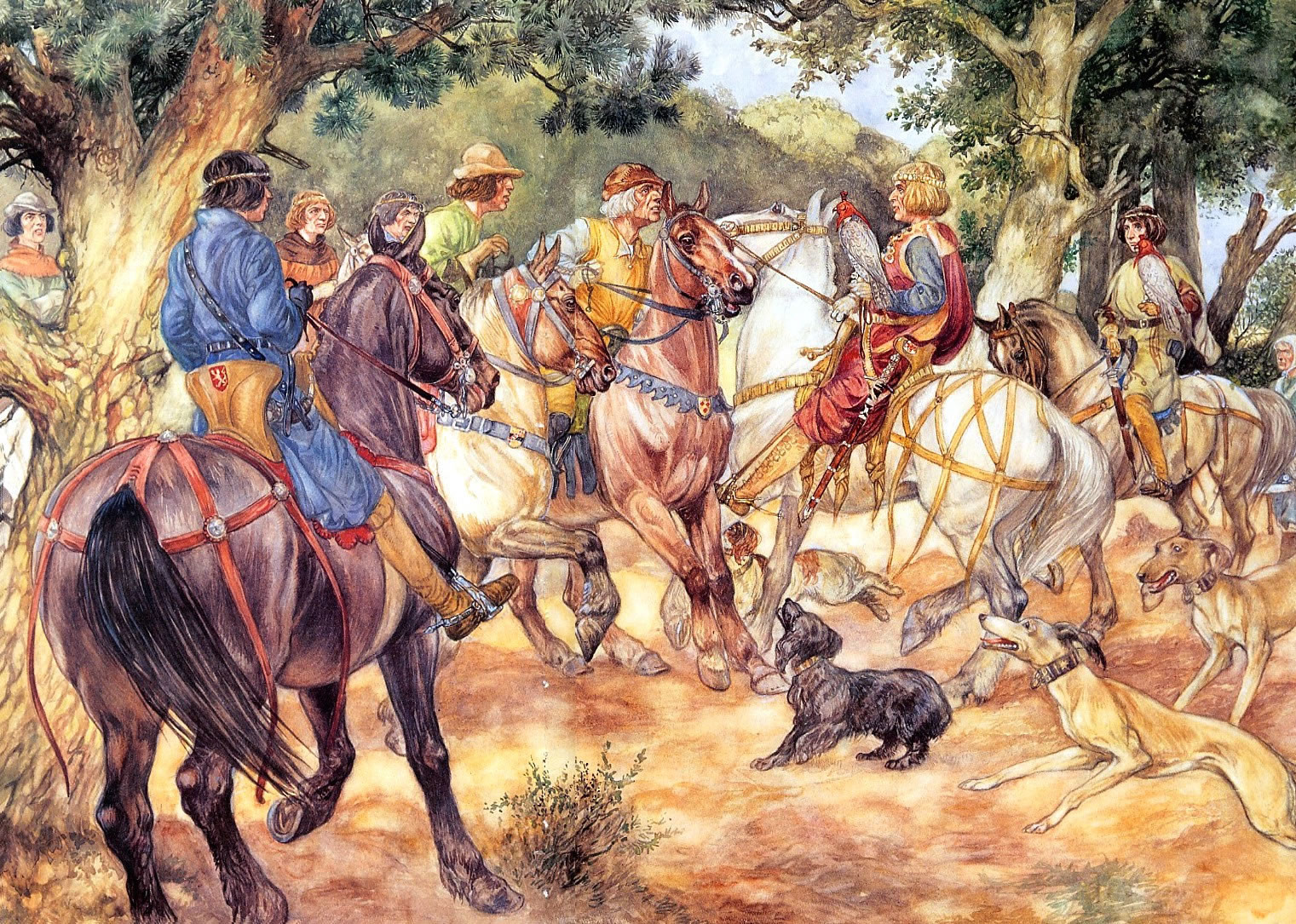
What is the use of celebrating only the battles you have won? Feeling proud and superior as a nation over others, with the differences emphasized in the process. Why not follow the example of the Scots? Every year, they commemorate their defeat at the Battle of Culloden on April 16, 1746 — fought between theContinue reading “Guerrilla in the Polder. The Battle of Vroonen in 1297”
Stavoren. Balancing on a Slack Rope of Religion, Trade, Land, Water, Holland, and Frisia

For many turbulent centuries, the town of Stavoren was a tightrope walker before it finally settled as a small harbour at the Lake IJsselmeer. Living in retirement from well-to-do owners of white yachts, sailing boats, and other pleasure vessels. Now it looks back on when Saint Odulf arrived in the ninth century to convert theContinue reading “Stavoren. Balancing on a Slack Rope of Religion, Trade, Land, Water, Holland, and Frisia”
How Great Was Great Pier? (the Sequel III)
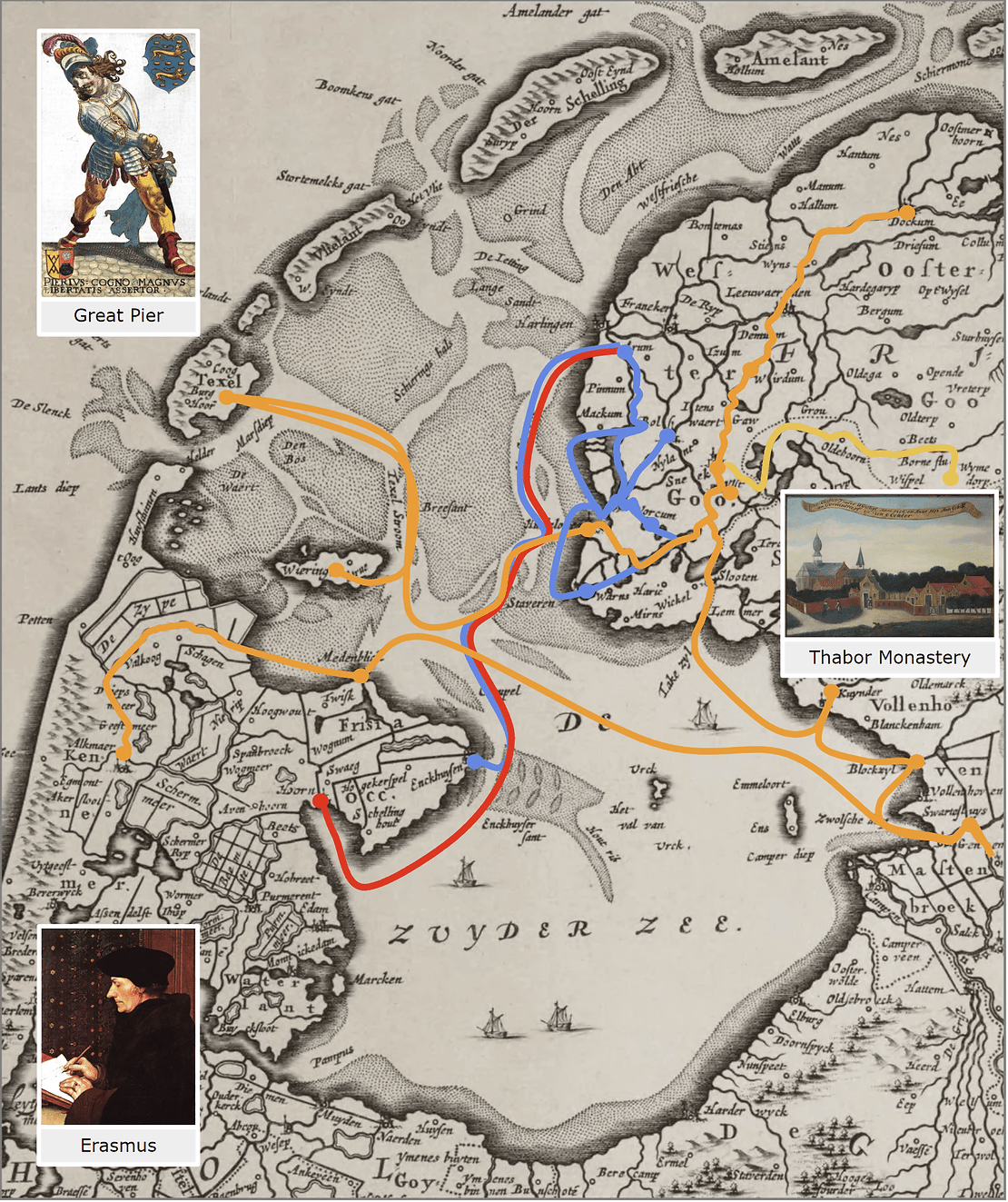
To understand the ‘greatness’ of Great Pier (or Grutte Pier), we decided to look into his ‘achievements’. As a freedom fighter (or pirate, if you like) his core business was to ransack ships and towns. If you listen or read about the places Great Pier sacked the area and number are quite impressive. Considering GreatContinue reading “How Great Was Great Pier? (the Sequel III)”
A Frisian Warlord Who Ruled in Brittany, Until His Wife Cheated on Him
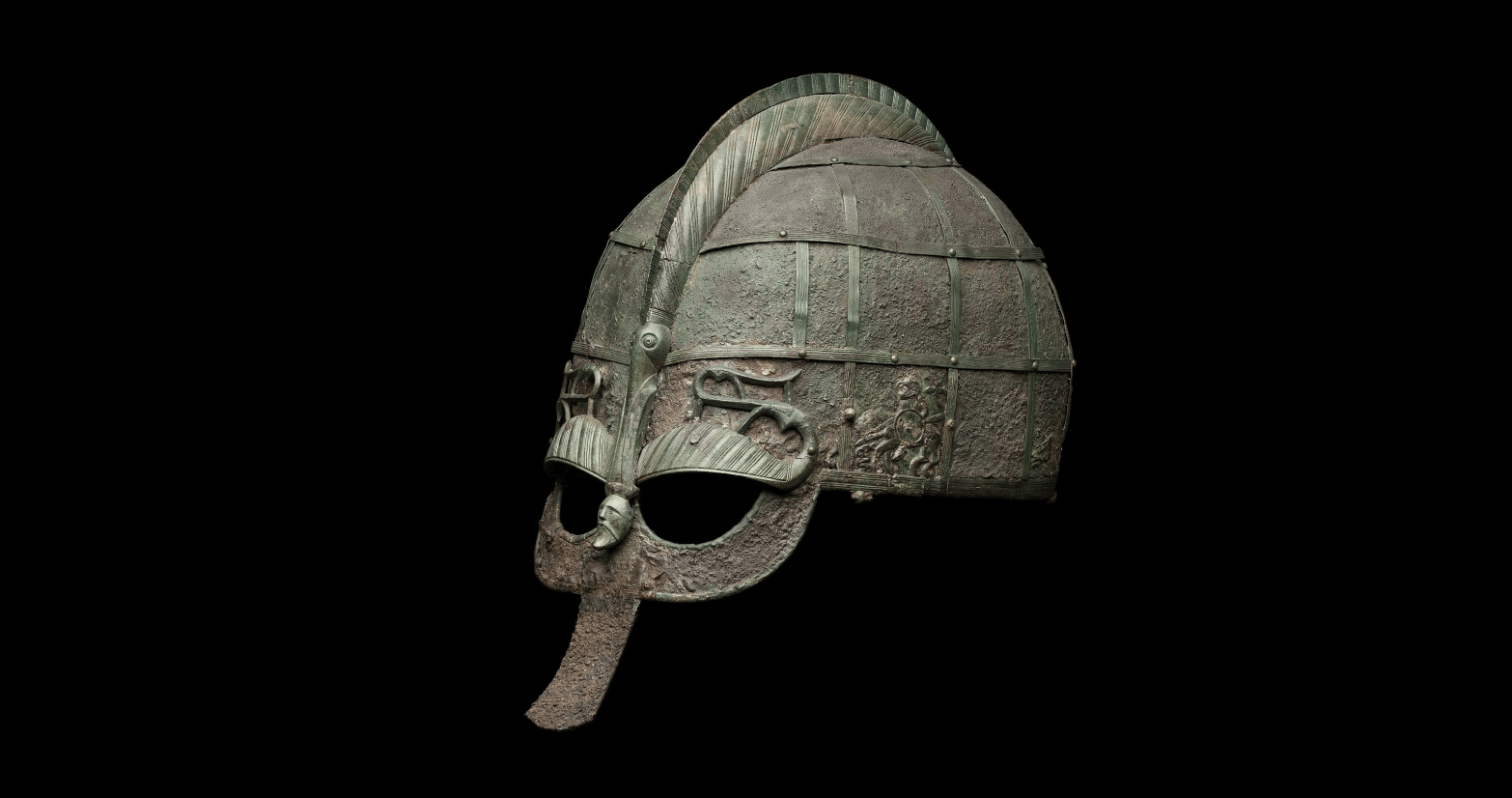
Where the English Channel meets the Celtic Sea, the ships of the Frisian brothers Corsold and Coarchion are said to have sailed, raided, and held sway in the early sixth century. For a time, they may even have established a short-lived kingdom in Brittany. Breton legend holds that the village of Kersaout — modern-day CorseulContinue reading “A Frisian Warlord Who Ruled in Brittany, Until His Wife Cheated on Him “
Joan of Arc, an Inspiration for Land Wursten Too
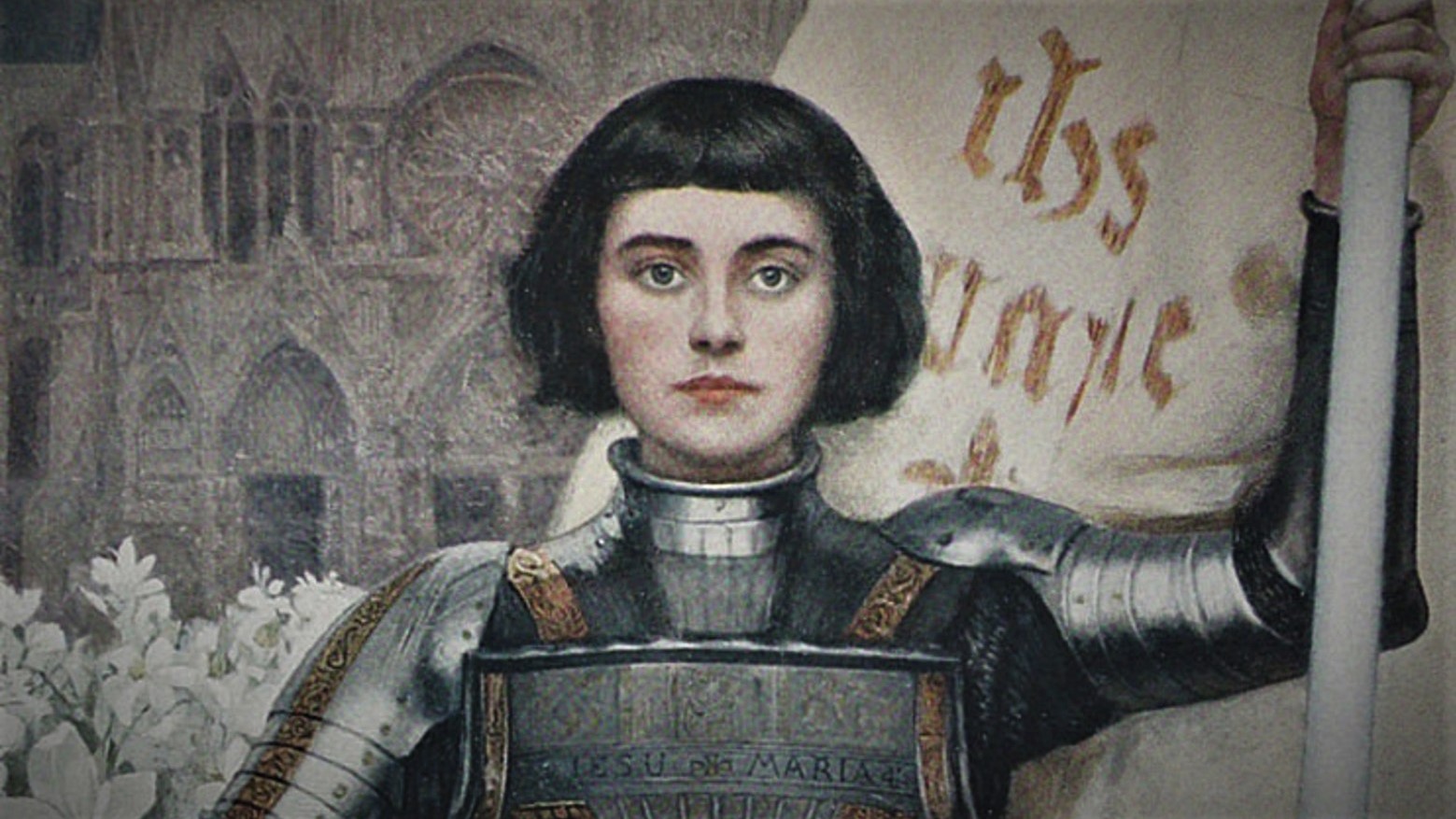
In the year 1500, when the people of the farmers’ republic of Dithmarschen achieved a stunning victory over a large professional Danish–Holstein army of Landsknechts at the Battle of Dusenddüwelswarf, a girl named Tjede Peckes was born. She came into the world in the hamlet of Padingbüttel, in the region of Land Wursten on theContinue reading “Joan of Arc, an Inspiration for Land Wursten Too”
Walfrid, You’ll Never Walk Alone
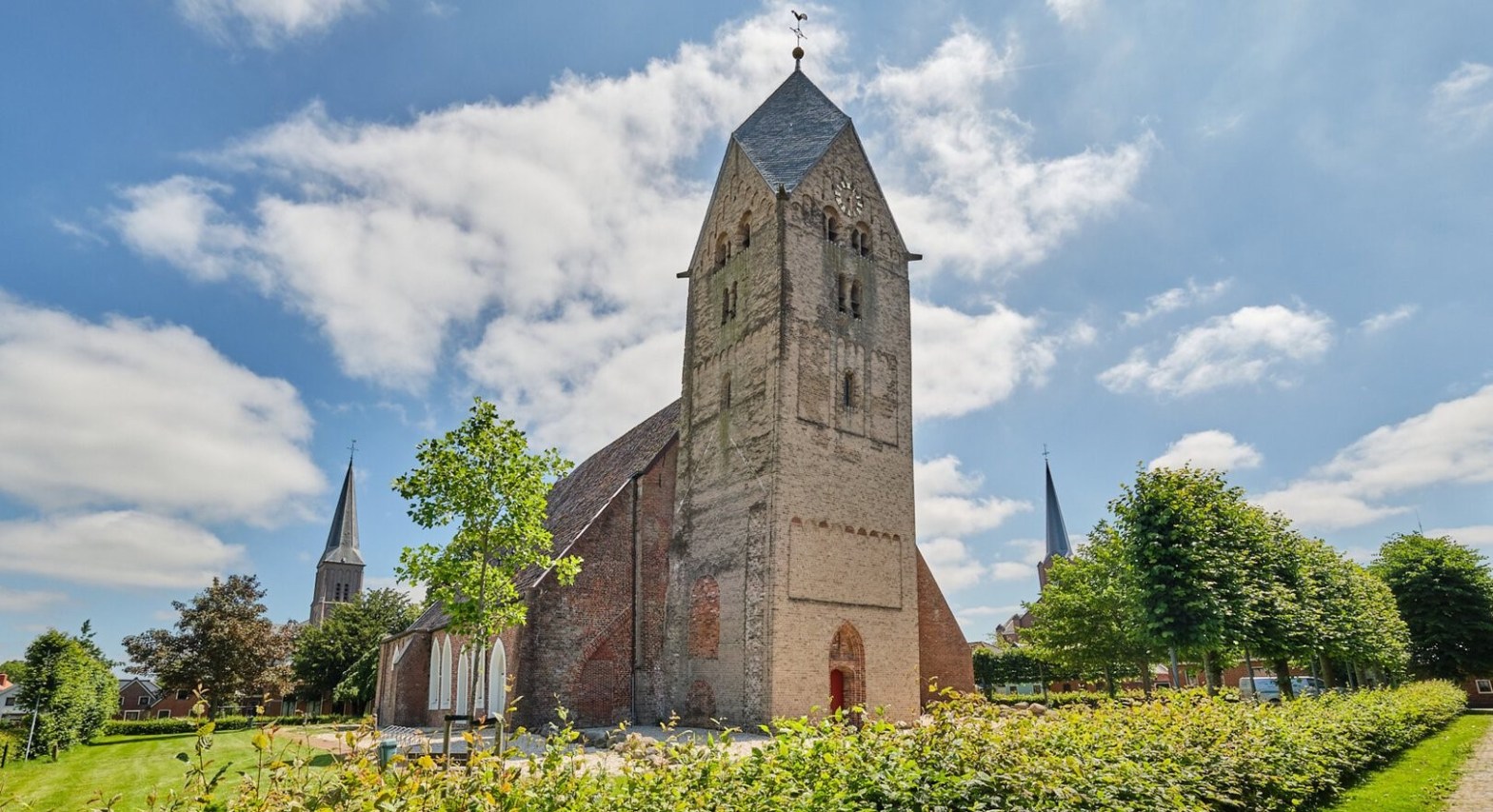
This blog post is not about Aindreas Ó Céirín (1840-1915), better known as Brother Walfrid from Ireland and who founded the Scottish football club Celtic. No, this blog post is about the original, the one and only. The Frisian named Walfrid. Who was murdered by a bunch of roaming Vikings in the late tenth century.Continue reading “Walfrid, You’ll Never Walk Alone”
Pagare il Fio. How the Romans Fared in the Wet Woodlands and Salt Marshes

Pagare il fio is Italian for ‘paying the penalty,’ though literally it means ‘paying the fee,’ a phrase inherited from the northern peoples — the so-called Barbarians — who toppled the Western Roman Empire. The English word fee comes from Old English feoh, which survives as fee in Mid Frisian, vee in Dutch, and ViehContinue reading “Pagare il Fio. How the Romans Fared in the Wet Woodlands and Salt Marshes”
 Frisia Coast Trail