
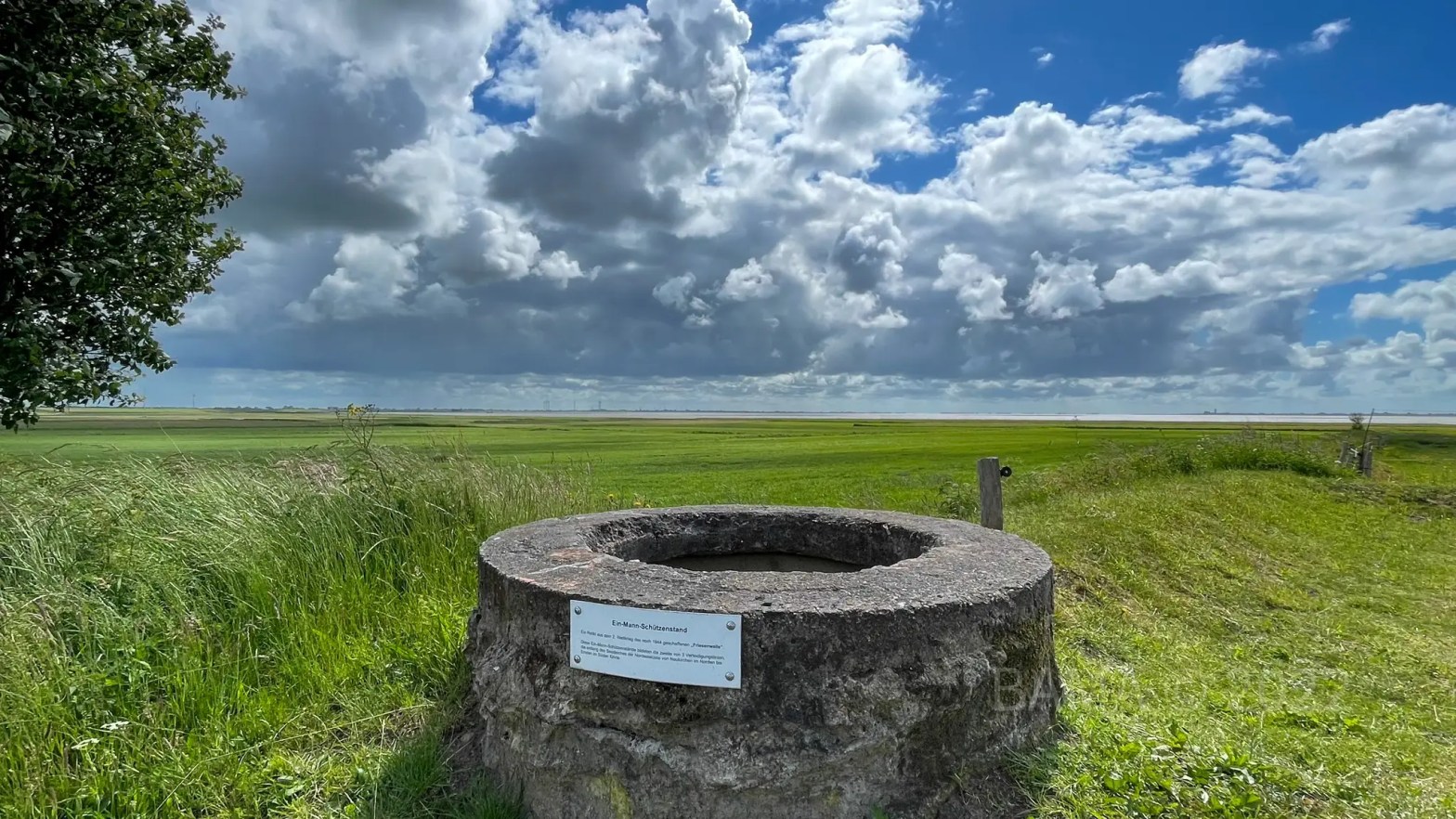
On 28 August 1944, a desperate Hitler ordered the construction of a massive defensive line in northern Germany, stretching from the Netherlands to Denmark. Intended as a safeguard in case the Allies opened a fourth front, it followed the model of the Atlantikwall and was named der Friesenwall. The name also reflected the twisted NaziContinue reading “Der Friesenwall. An Unfinished Last-Ditch Coastal Defence System”
Tag Archives: Wadden Sea
Did the Proverbial Two Captains on the Same Ship Make the Frisians Free?

The much-celebrated Frisian Freedom refers to the period roughly between 1250 and 1500, when the Frisian terrae (‘lands’) — bearing beautiful, exotic names like Drechterland, Vier Noorder Koggen, Westergo, Oostergo, Humsterland, Hunsingo, Fivelingo, Rheiderland, Emsingo, Federgo, Norderland, Harlingerland, Wangerland, Östringen, Rüstringen, Wursten, and Butjadingen — were small, self-governing communities. A chain of so-called marsh republicsContinue reading “Did the Proverbial Two Captains on the Same Ship Make the Frisians Free?”
Between Leffinge and Misthusum — Understanding the Basics of Terps
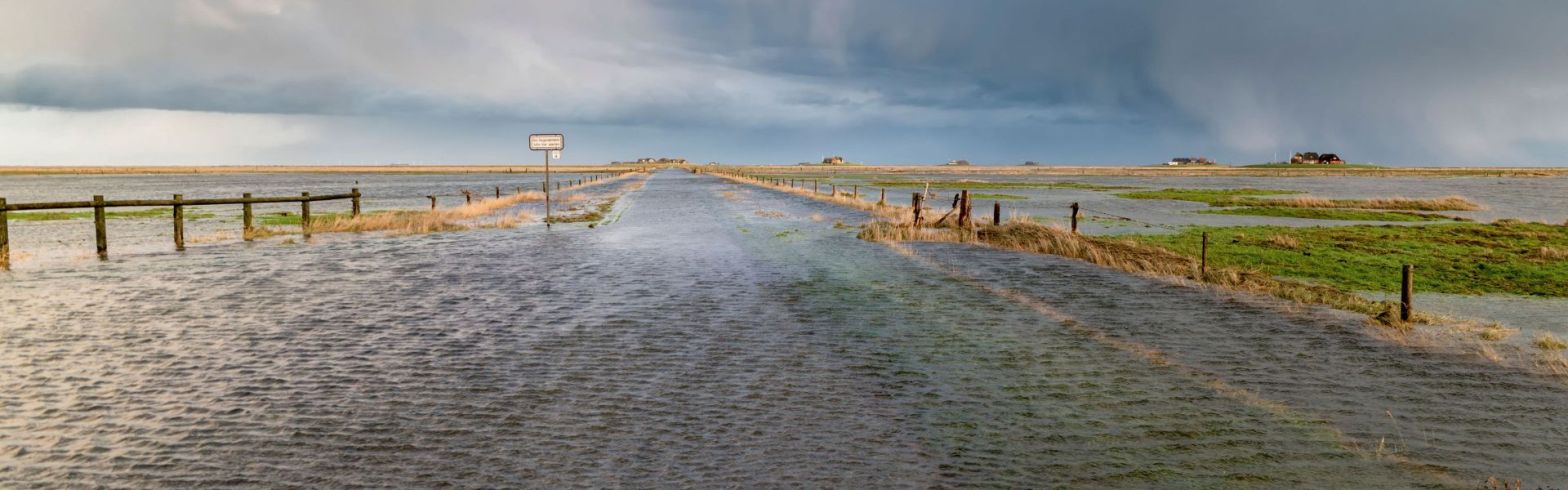
Man-made hills to dwell upon. Long thought of as typically Frisian, but they are anything but unique. Consider the Kincaid Mounds of the Mississippian people along the Cumberland and Mississippi rivers in the United States. Or the lomas (‘hills’) deep in Bolivia’s Beni district, raised above the Amazon’s seasonal floodwaters to provide ground for livingContinue reading “Between Leffinge and Misthusum — Understanding the Basics of Terps”
“Ich Mag Ihre Pelzer- und Schustertöchter Nicht!” — And a Kiss of Death
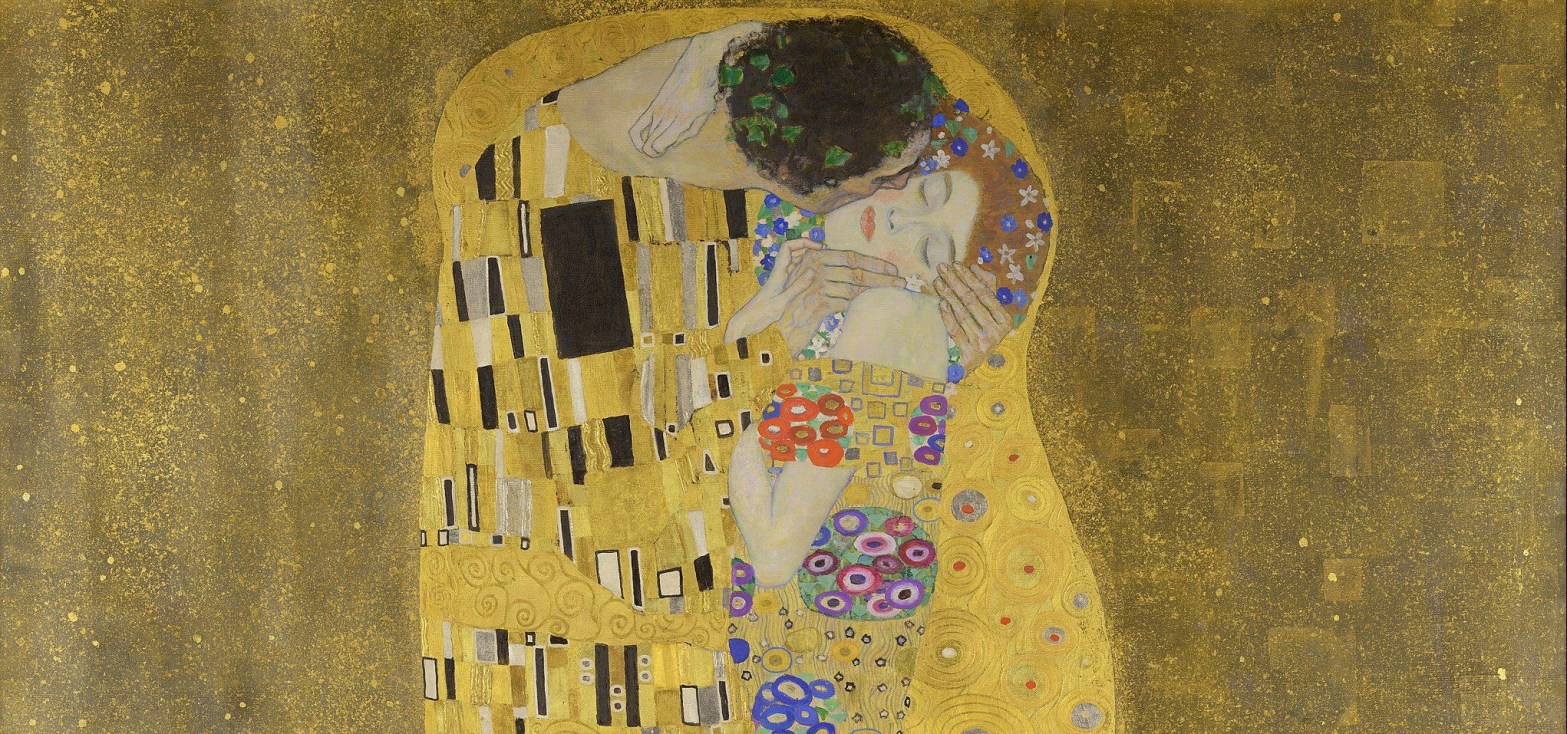
Like everywhere along the Wadden Sea shores in the fourteenth and fifteenth centuries, the small republics of the tidal marshlands fought battle after battle against foreign aggressors seeking to subdue them. Counts, bishops, and cities alike tried to lay their hands on these fertile and strategically located lands. And if the threat was not fromContinue reading ““Ich Mag Ihre Pelzer- und Schustertöchter Nicht!” — And a Kiss of Death”
The Deer Hunter of Fallward, and His Throne of the Marsh

Near a terp called Fallward, close to the village of Wremen in the region of Land Wursten, archaeologists uncovered a remarkable site that opens a rare window onto life during the Migration Period — the world of the so-called ‘Old Saxons’ who once inhabited the tidal marshes of the Wadden Sea at the mouth ofContinue reading “The Deer Hunter of Fallward, and His Throne of the Marsh”
Golden Calves, or Bursting Udders on Bony Legs?
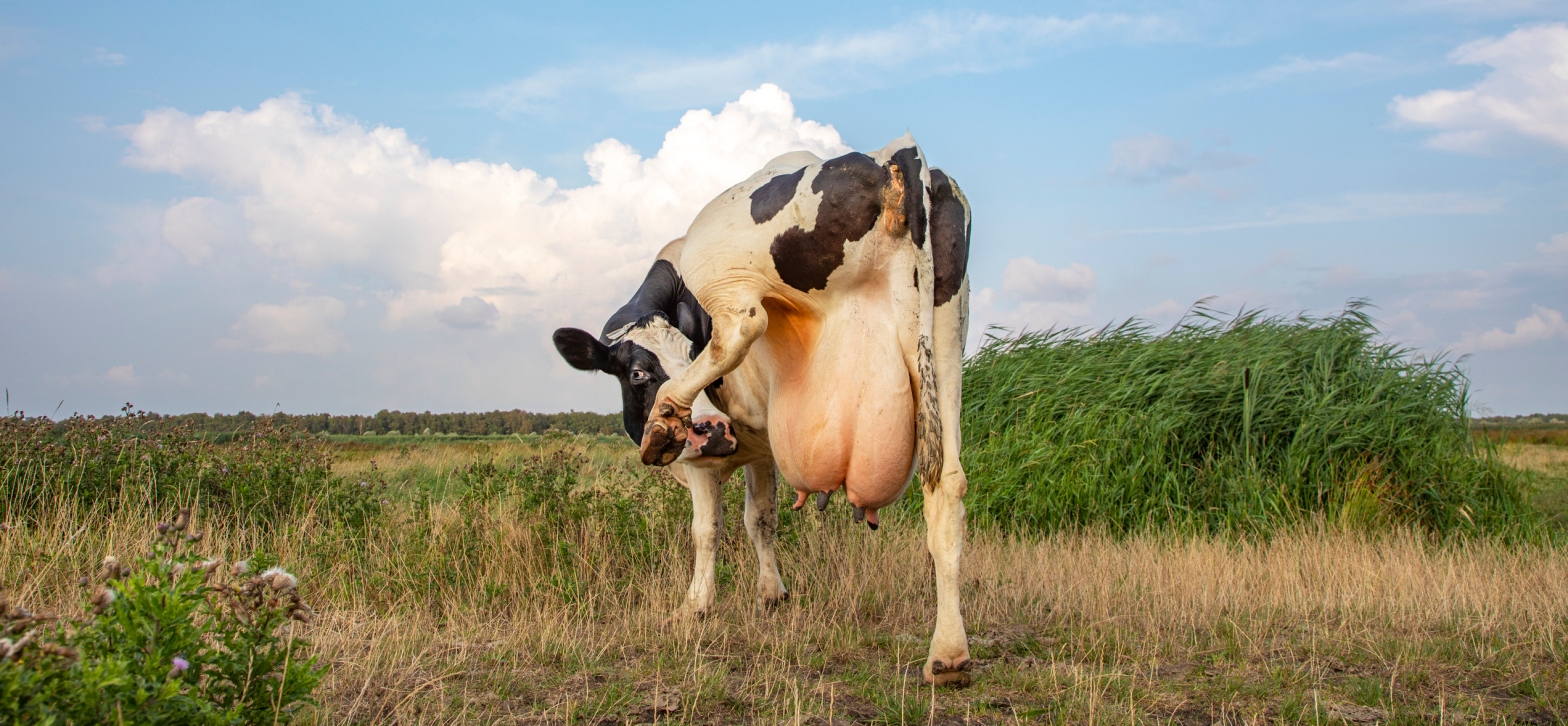
Beauty is the best guarantee for quality and success. At least, this is how farmers in the province of Friesland thought of dairy cattle for (too) long. The better the exterieur ‘exterior’ of a cow, the better its milk yield. Velvety hide, size, expressive head, straight back, strong legs, sharply defined black and white spottedContinue reading “Golden Calves, or Bursting Udders on Bony Legs?”
A Croaking Ode to the Haubarg by the Eiderstedter Nachtigall
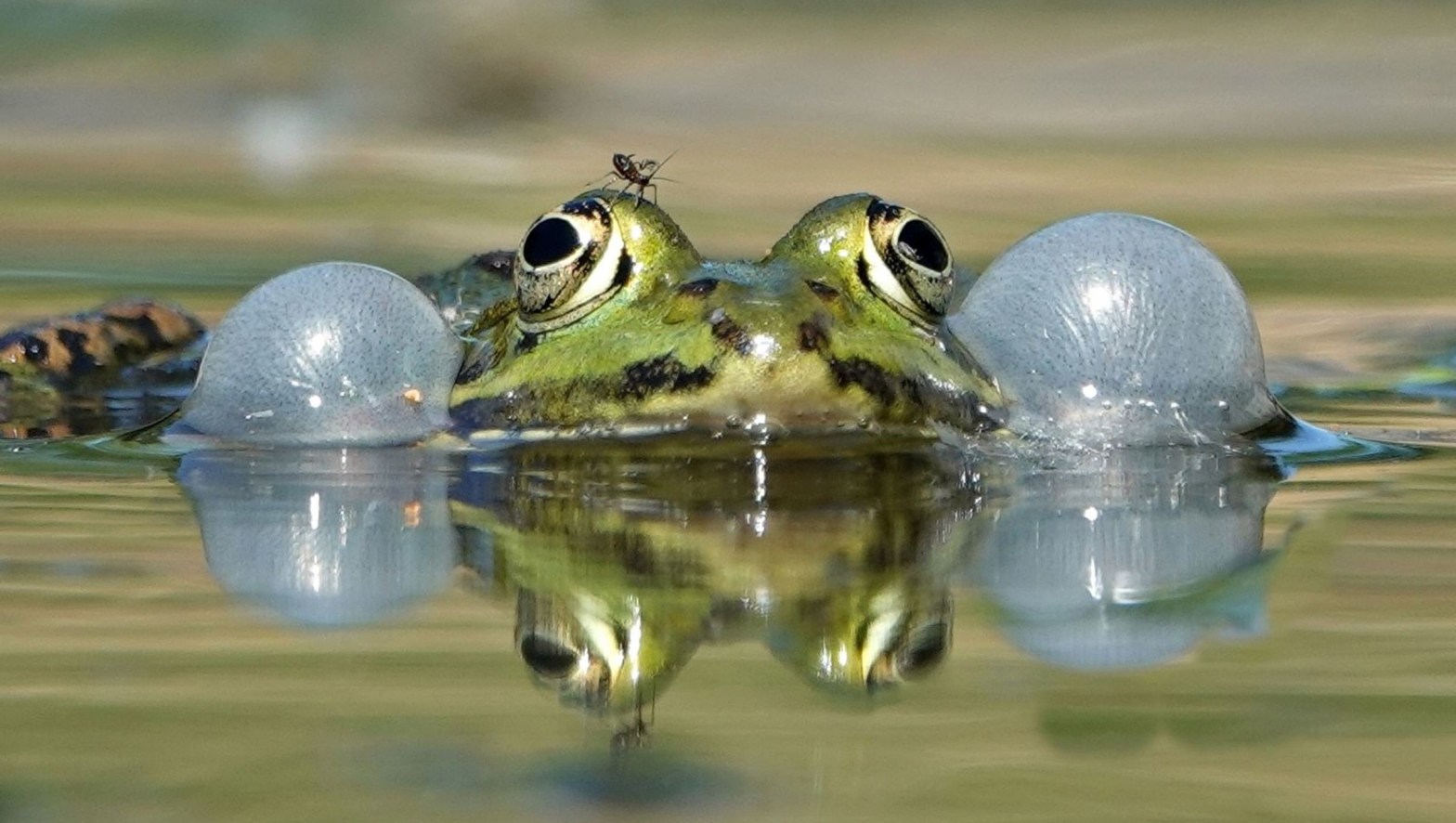
Haubargs. Cathedral-like farmsteads with hipped roofs soaring up to twenty meters high, icons of the Eiderstedt peninsula in the region of Nordfriesland. These monumental farms embody the peak of the friesische Großhäuser building tradition — yet also its end. This tradition, characteristic of the marshlands along the southern North Sea coast from Amsterdam to Husum, flourishedContinue reading “A Croaking Ode to the Haubarg by the Eiderstedter Nachtigall”
Joan of Arc, an Inspiration for Land Wursten Too
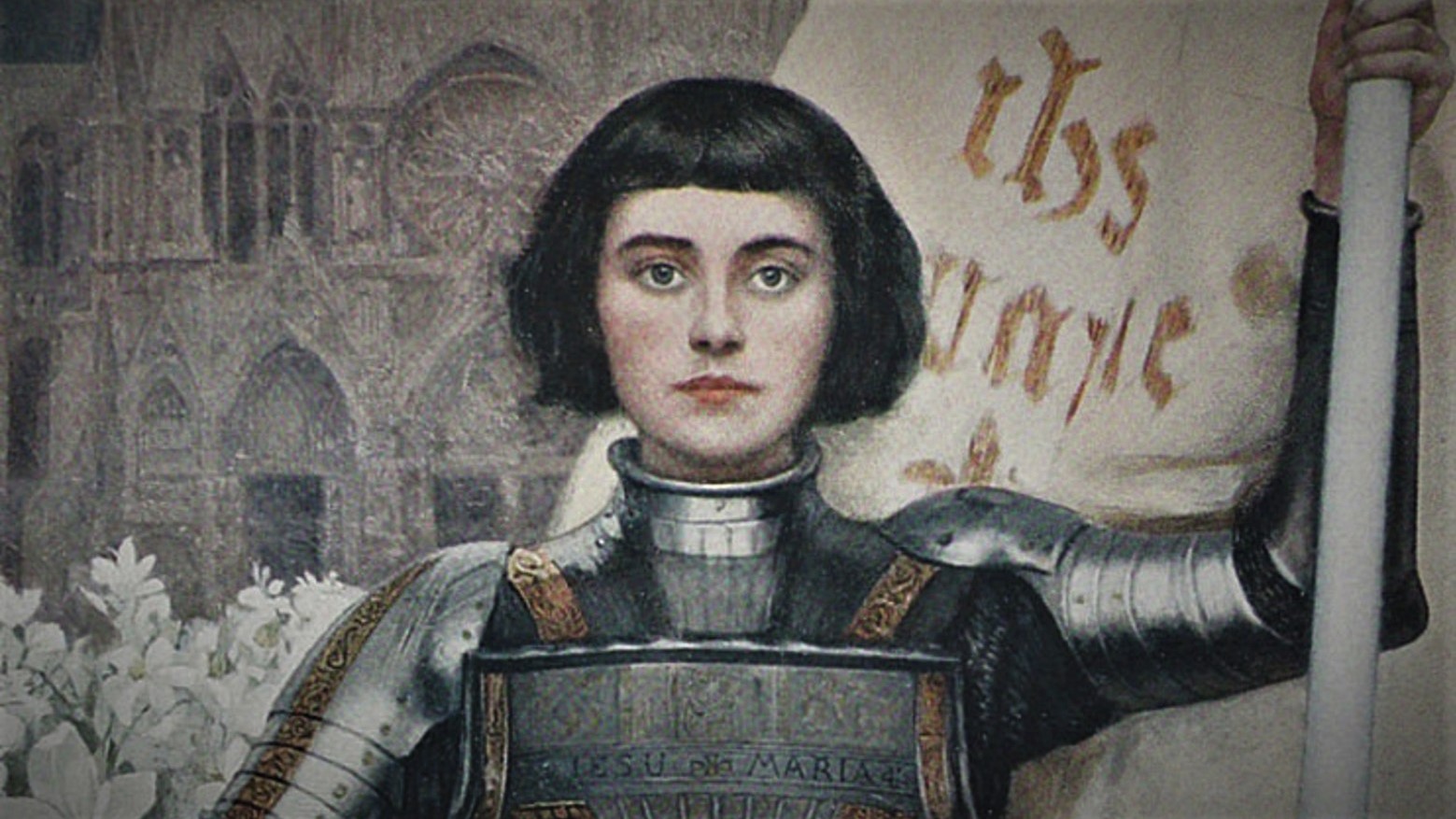
In the year 1500, when the people of the farmers’ republic of Dithmarschen achieved a stunning victory over a large professional Danish–Holstein army of Landsknechts at the Battle of Dusenddüwelswarf, a girl named Tjede Peckes was born. She came into the world in the hamlet of Padingbüttel, in the region of Land Wursten on theContinue reading “Joan of Arc, an Inspiration for Land Wursten Too”
To the End Where It All Began: The Ribbon-Like Town of Ribe
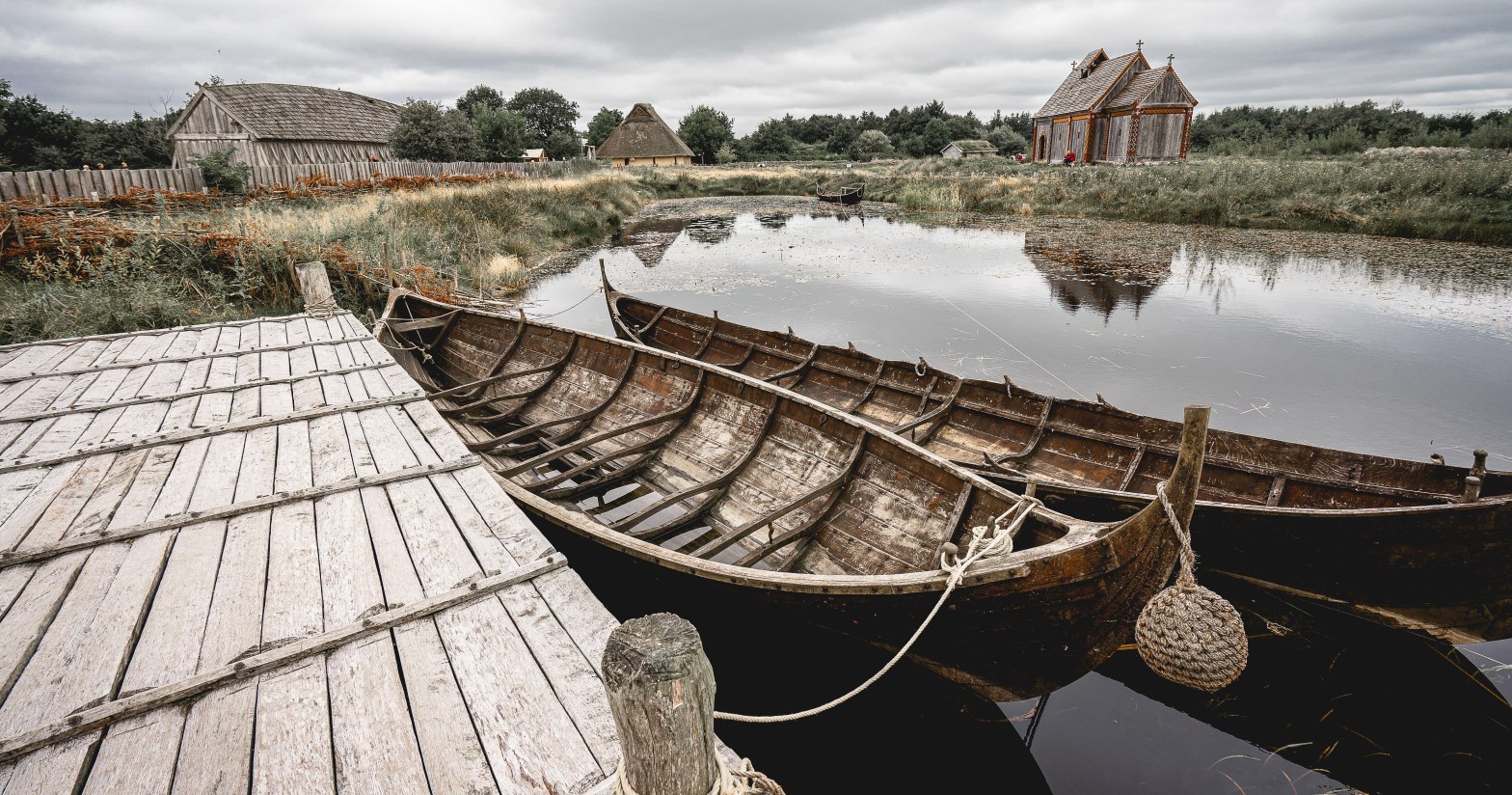
Let’s go to the omega. To the end of the Frisia Coast Trail. To Ribe in southern Jutland, Denmark. The oldest town in Scandinavia. A town located on the banks of the Ribe Å. A modest river that flows out into the Wadden Sea stoically slow, opposite the islands of Fanø and Mandø. Ribe startedContinue reading “To the End Where It All Began: The Ribbon-Like Town of Ribe”
Pagare il Fio. How the Romans Fared in the Wet Woodlands and Salt Marshes

Pagare il fio is Italian for ‘paying the penalty,’ though literally it means ‘paying the fee,’ a phrase inherited from the northern peoples — the so-called Barbarians — who toppled the Western Roman Empire. The English word fee comes from Old English feoh, which survives as fee in Mid Frisian, vee in Dutch, and ViehContinue reading “Pagare il Fio. How the Romans Fared in the Wet Woodlands and Salt Marshes”
 Frisia Coast Trail