
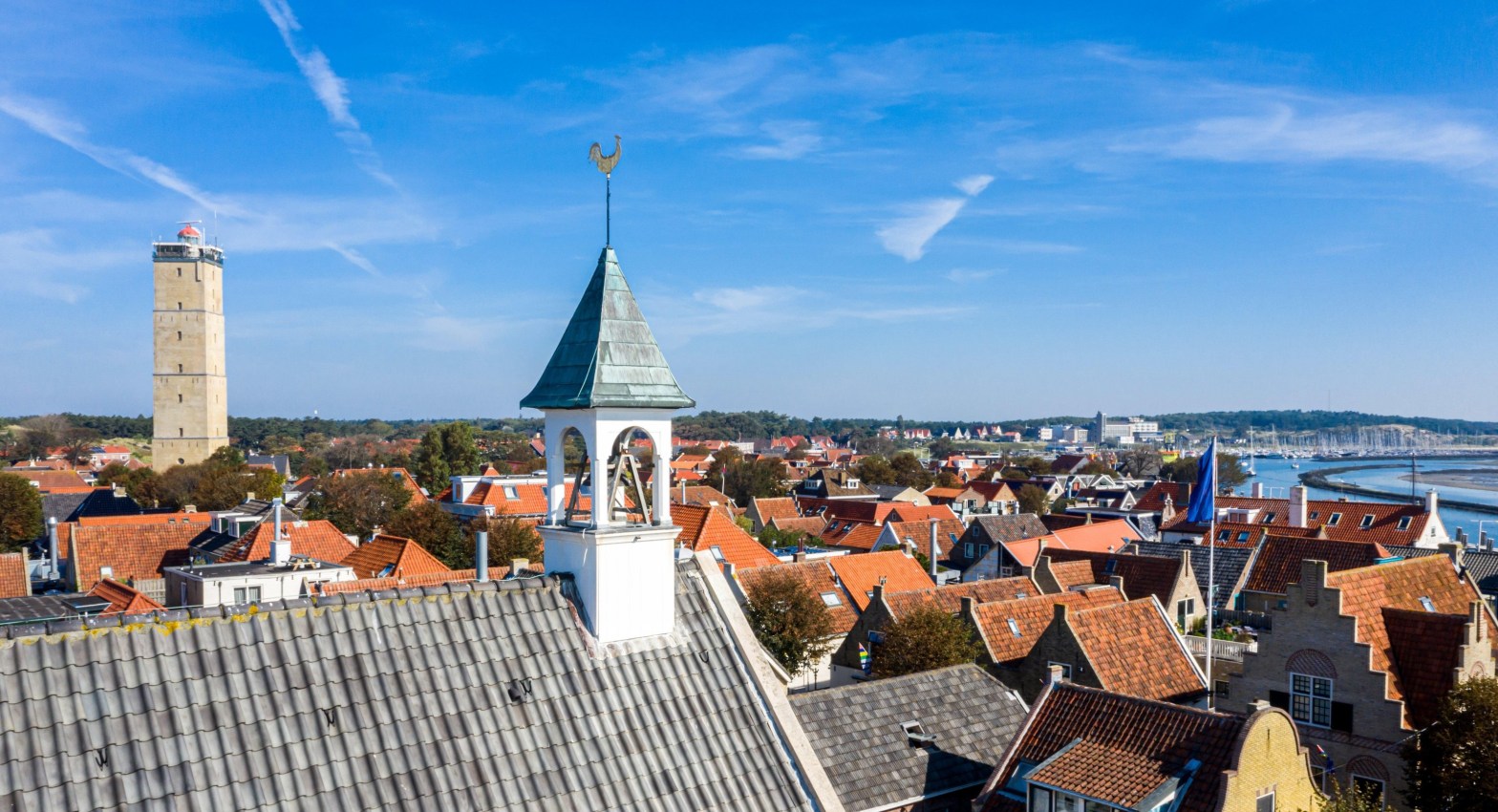
Imagine a time unlike ours. When there were no engines, amplifiers, and speakers, and the sounds you heard were made by the actions of men, beasts, or the elements of nature. Be quiet and listen. Can you hear the chatter of children and vendors, and the hooves of horses on the streets? Can you hearContinue reading “One Day, All the Sunken Church Bells Will Resurface and Speak to Us Sternly”
Category Archives: Uncategorized
Did the Proverbial Two Captains on the Same Ship Make the Frisians Free?

The much-celebrated Frisian Freedom refers to the period roughly between 1250 and 1500, when the Frisian terrae (‘lands’) — bearing beautiful, exotic names like Drechterland, Vier Noorder Koggen, Westergo, Oostergo, Humsterland, Hunsingo, Fivelingo, Rheiderland, Emsingo, Federgo, Norderland, Harlingerland, Wangerland, Östringen, Rüstringen, Wursten, and Butjadingen — were small, self-governing communities. A chain of so-called marsh republicsContinue reading “Did the Proverbial Two Captains on the Same Ship Make the Frisians Free?”
The Old Couple and the Sea — Hiking the Likya Yolu
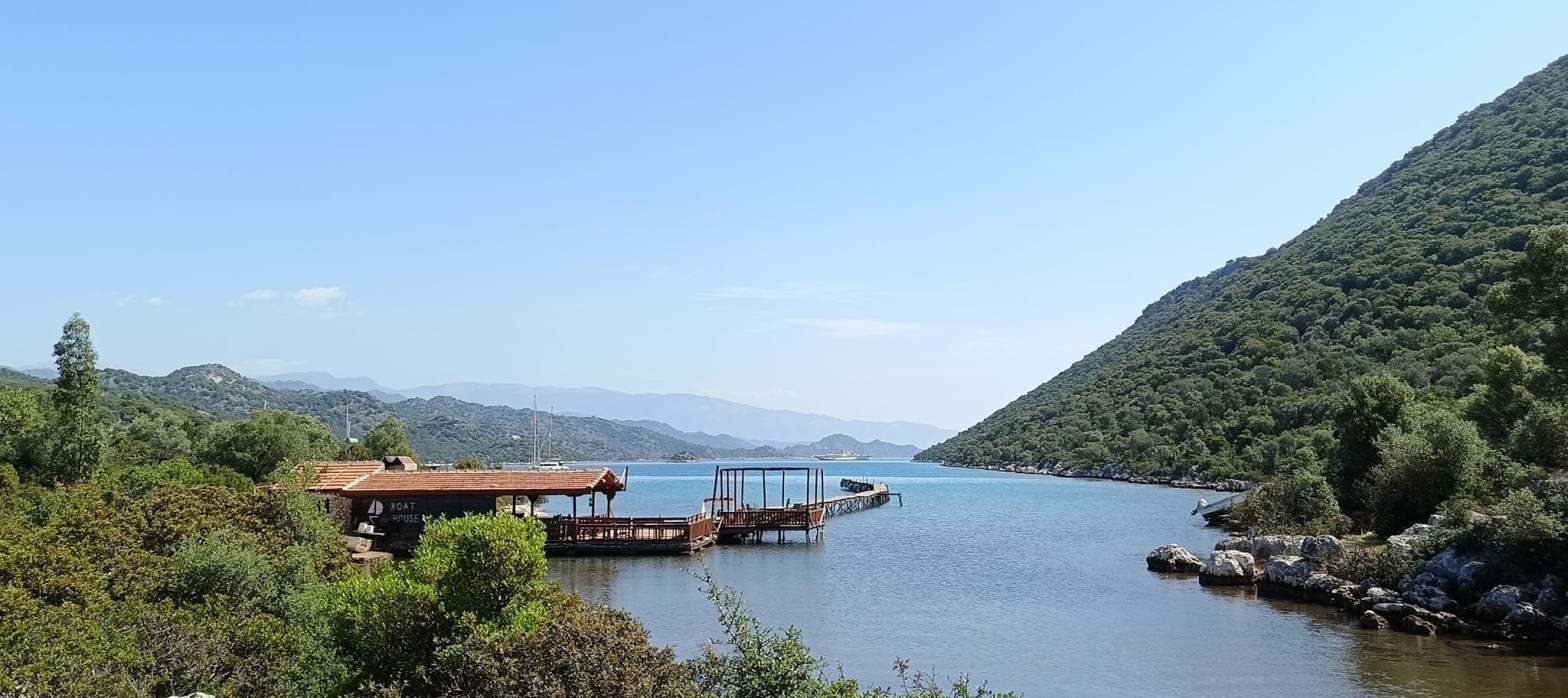
April 2024. One of the bastards of the Frisia Coast Trail hiked a stretch of the Lycian Way — Likya Yolu in Turkish. This coastal track spans over 700 kilometers along Turkey’s southern shore, often tracing ancient paths once used by the Greeks and Romans. Lycia is the historical name for the Teke Peninsula, aContinue reading “The Old Couple and the Sea — Hiking the Likya Yolu”
Comb as You Are, as You Were. The Early Medieval ‘Friseurs Frisons’
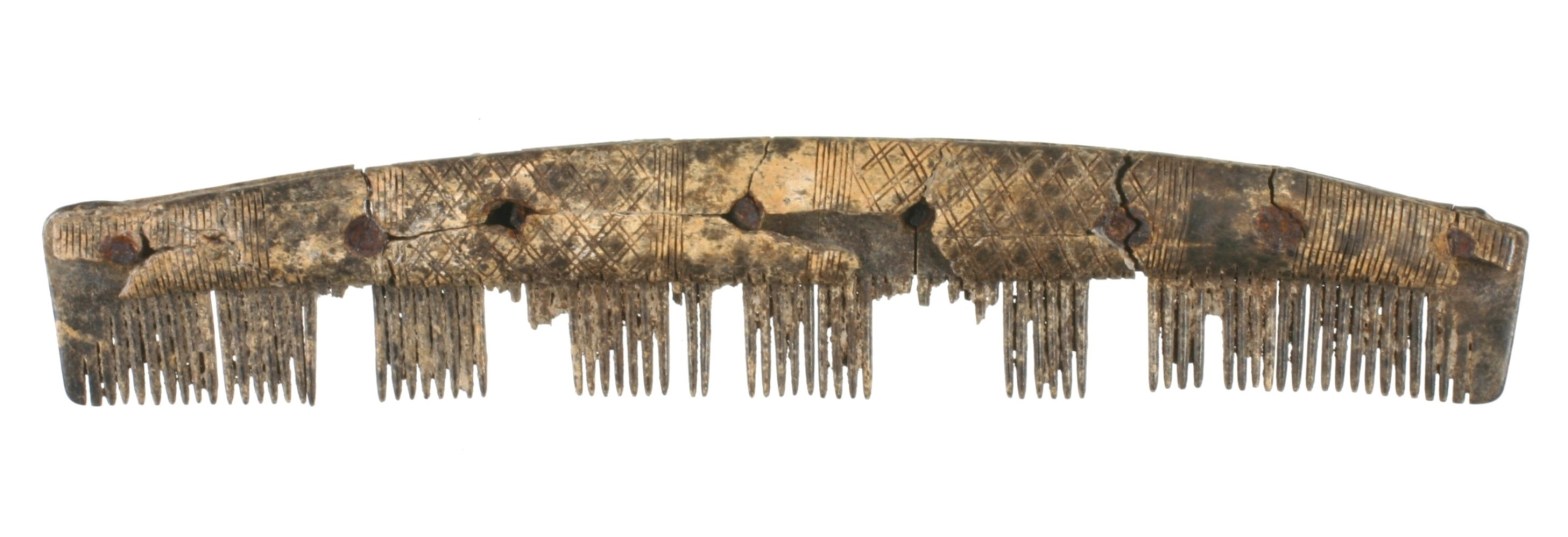
There are theories suggesting that the tribal name ‘Frisians’ originates from the Old Frisian word frisle, meaning ‘lock of hair’ — a term that may itself derive from Latin (Van Renswoude 2012). Compare, for instance, the French verb friser, meaning ‘to curl’. While this etymology is incorrect — the true origin relates more to haulingContinue reading “Comb as You Are, as You Were. The Early Medieval ‘Friseurs Frisons’”
“Ich Mag Ihre Pelzer- und Schustertöchter Nicht!” — And a Kiss of Death
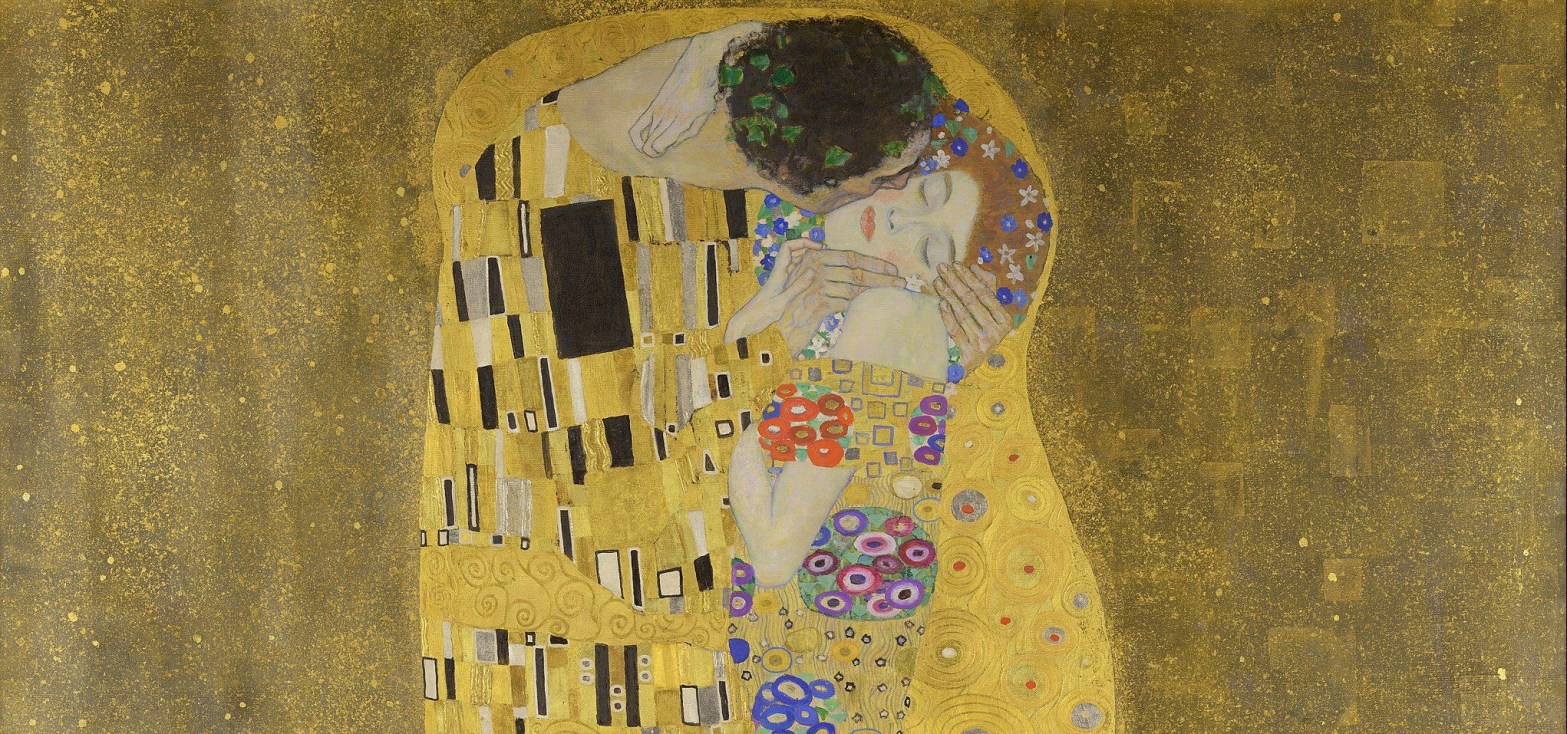
Like everywhere along the Wadden Sea shores in the fourteenth and fifteenth centuries, the small republics of the tidal marshlands fought battle after battle against foreign aggressors seeking to subdue them. Counts, bishops, and cities alike tried to lay their hands on these fertile and strategically located lands. And if the threat was not fromContinue reading ““Ich Mag Ihre Pelzer- und Schustertöchter Nicht!” — And a Kiss of Death”
“The Man Wants Another Steak!” She Snapped at the Waitress — Hiking the GR20
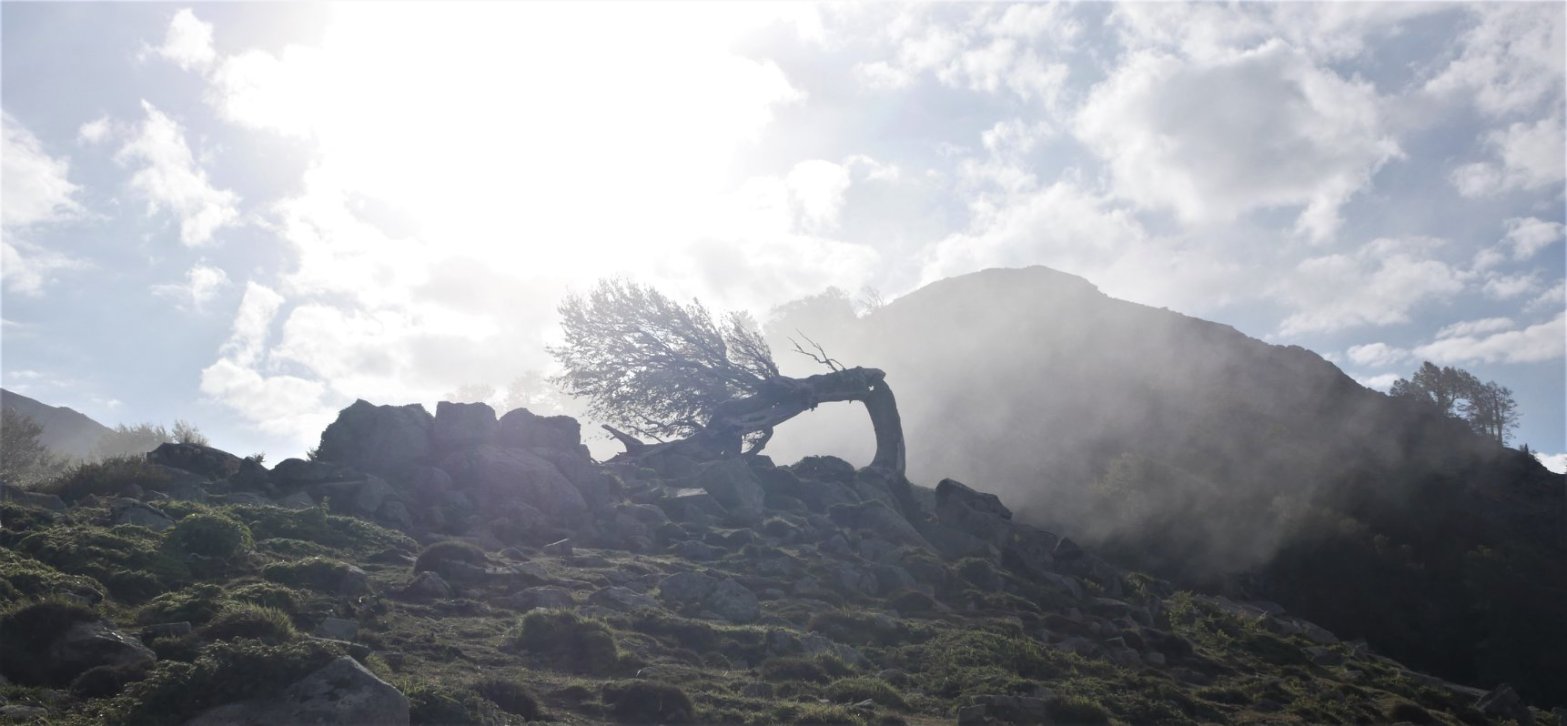
When thru-hiking, special encounters are part of the experience. One such encounter happened when one of the Frisian bastards completed the GR20 on the island of Corsica in the months of September and October 2018. It is a story that teaches you always to keep an open mind towards every person you meet and notContinue reading ““The Man Wants Another Steak!” She Snapped at the Waitress — Hiking the GR20″
Guerrilla in the Polder. The Battle of Vroonen in 1297
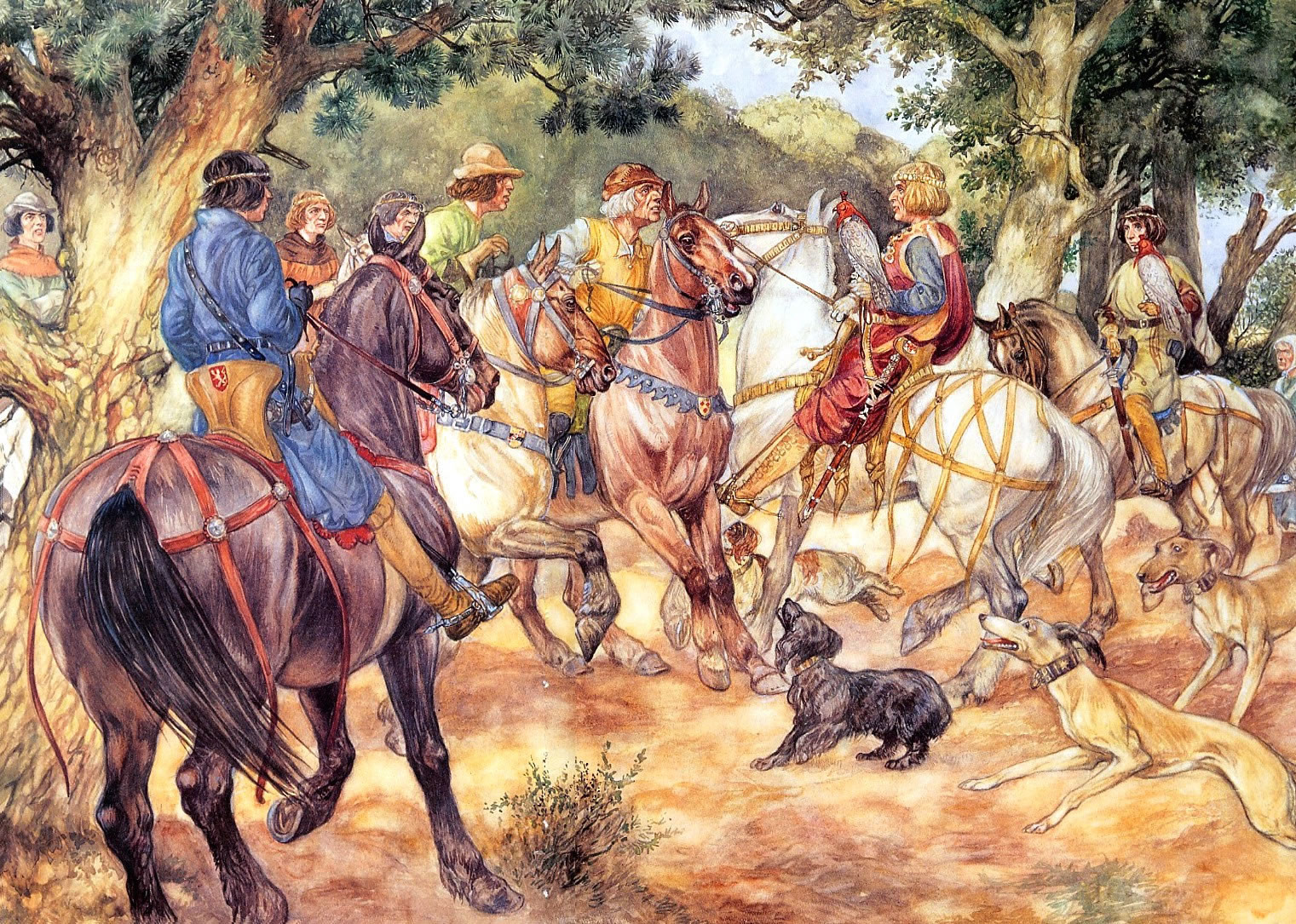
What is the use of celebrating only the battles you have won? Feeling proud and superior as a nation over others, with the differences emphasized in the process. Why not follow the example of the Scots? Every year, they commemorate their defeat at the Battle of Culloden on April 16, 1746 — fought between theContinue reading “Guerrilla in the Polder. The Battle of Vroonen in 1297”
The Deer Hunter of Fallward, and His Throne of the Marsh

Near a terp called Fallward, close to the village of Wremen in the region of Land Wursten, archaeologists uncovered a remarkable site that opens a rare window onto life during the Migration Period — the world of the so-called ‘Old Saxons’ who once inhabited the tidal marshes of the Wadden Sea at the mouth ofContinue reading “The Deer Hunter of Fallward, and His Throne of the Marsh”
A Raider’s Portrait From Appels. The Water World of the Migration Period

In 1934, while dredging the River Scheldt near the village of Appels in the region of Flanders, workers unearthed an extraordinary ship’s figurehead (see featured image above). Dated to around AD 400, scholars generally agree it is Germanic in origin and hails from the southern North Sea coast. Yet, to this day, no people orContinue reading “A Raider’s Portrait From Appels. The Water World of the Migration Period”
Happy Hunting Grounds in the Arctic. The Way the Whale’s Doom Was Sealed

If you want to track down who killed the whale, the Frisia Coast Trail region is the place to start. Stop people on the streets along this southern North Sea littoral and ask whether they know anything, and you will likely hear: “I hear nothing, I see nothing, I know nothing.” Politicians and officials —Continue reading “Happy Hunting Grounds in the Arctic. The Way the Whale’s Doom Was Sealed”
 Frisia Coast Trail