
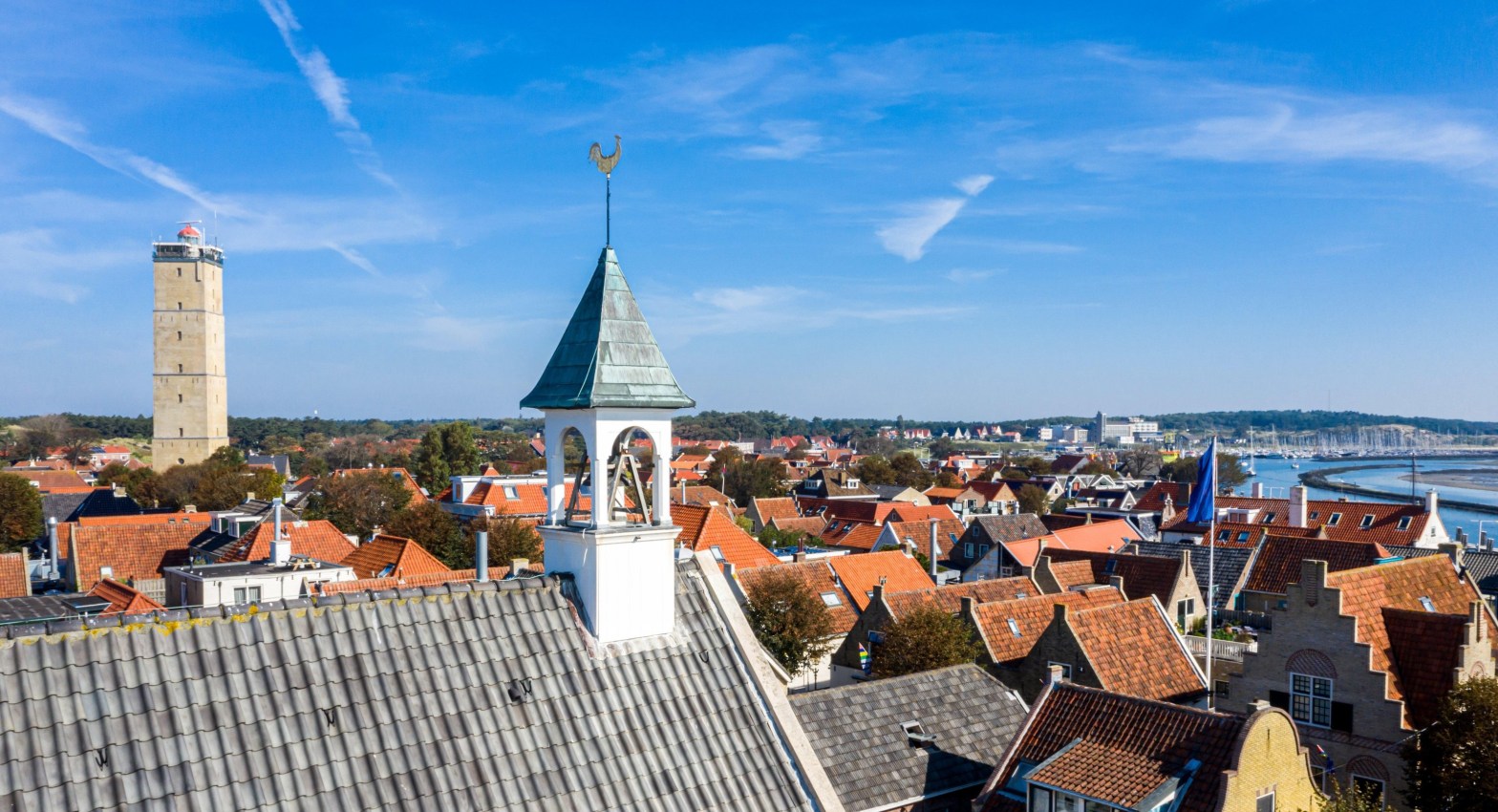
Imagine a time unlike ours. When there were no engines, amplifiers, and speakers, and the sounds you heard were made by the actions of men, beasts, or the elements of nature. Be quiet and listen. Can you hear the chatter of children and vendors, and the hooves of horses on the streets? Can you hearContinue reading “One Day, All the Sunken Church Bells Will Resurface and Speak to Us Sternly”
Category Archives: history
Der Friesenwall. An Unfinished Last-Ditch Coastal Defence System
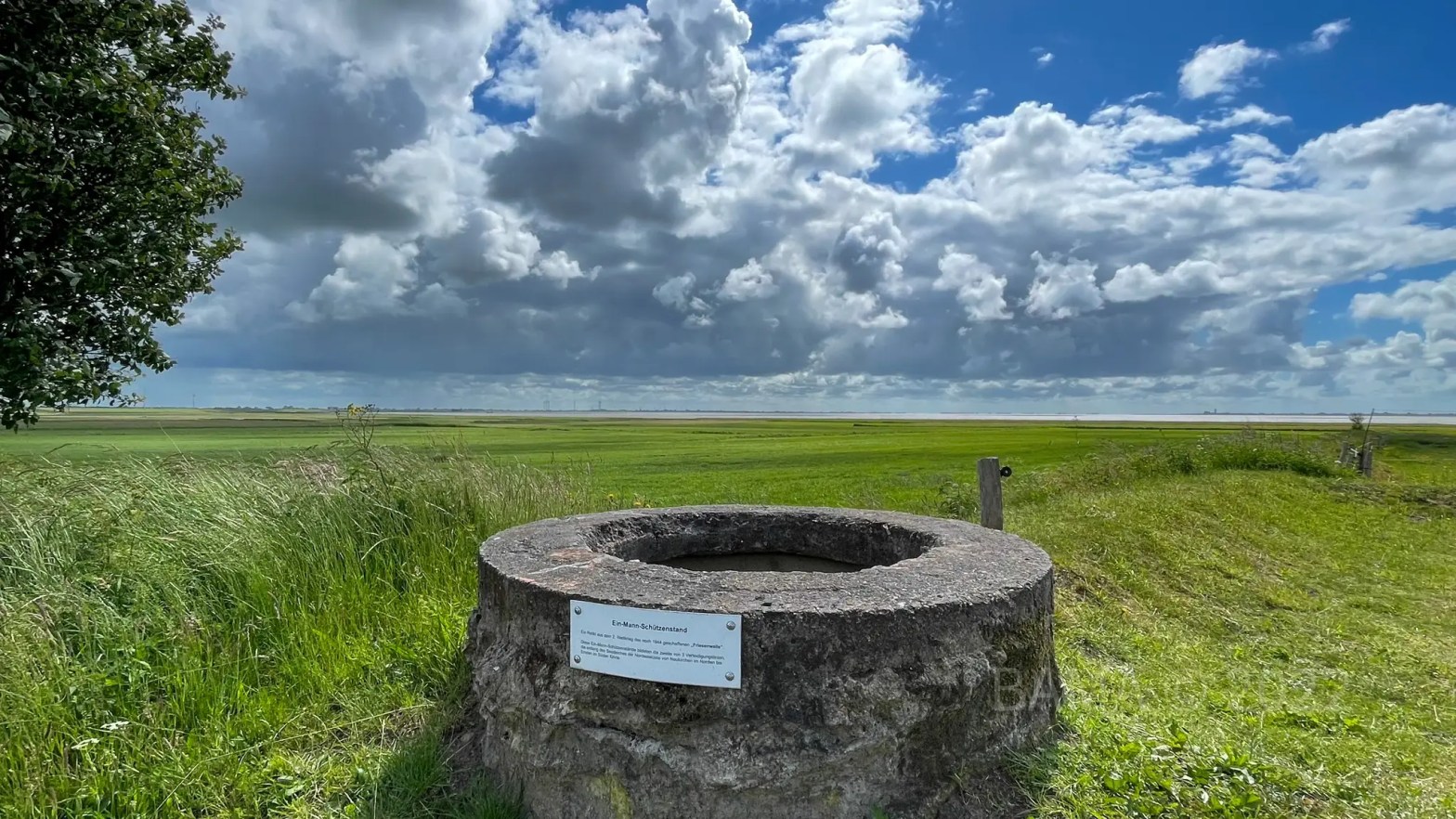
On 28 August 1944, a desperate Hitler ordered the construction of a massive defensive line in northern Germany, stretching from the Netherlands to Denmark. Intended as a safeguard in case the Allies opened a fourth front, it followed the model of the Atlantikwall and was named der Friesenwall. The name also reflected the twisted NaziContinue reading “Der Friesenwall. An Unfinished Last-Ditch Coastal Defence System”
Did the Proverbial Two Captains on the Same Ship Make the Frisians Free?

The much-celebrated Frisian Freedom refers to the period roughly between 1250 and 1500, when the Frisian terrae (‘lands’) — bearing beautiful, exotic names like Drechterland, Vier Noorder Koggen, Westergo, Oostergo, Humsterland, Hunsingo, Fivelingo, Rheiderland, Emsingo, Federgo, Norderland, Harlingerland, Wangerland, Östringen, Rüstringen, Wursten, and Butjadingen — were small, self-governing communities. A chain of so-called marsh republicsContinue reading “Did the Proverbial Two Captains on the Same Ship Make the Frisians Free?”
The Old Couple and the Sea — Hiking the Likya Yolu
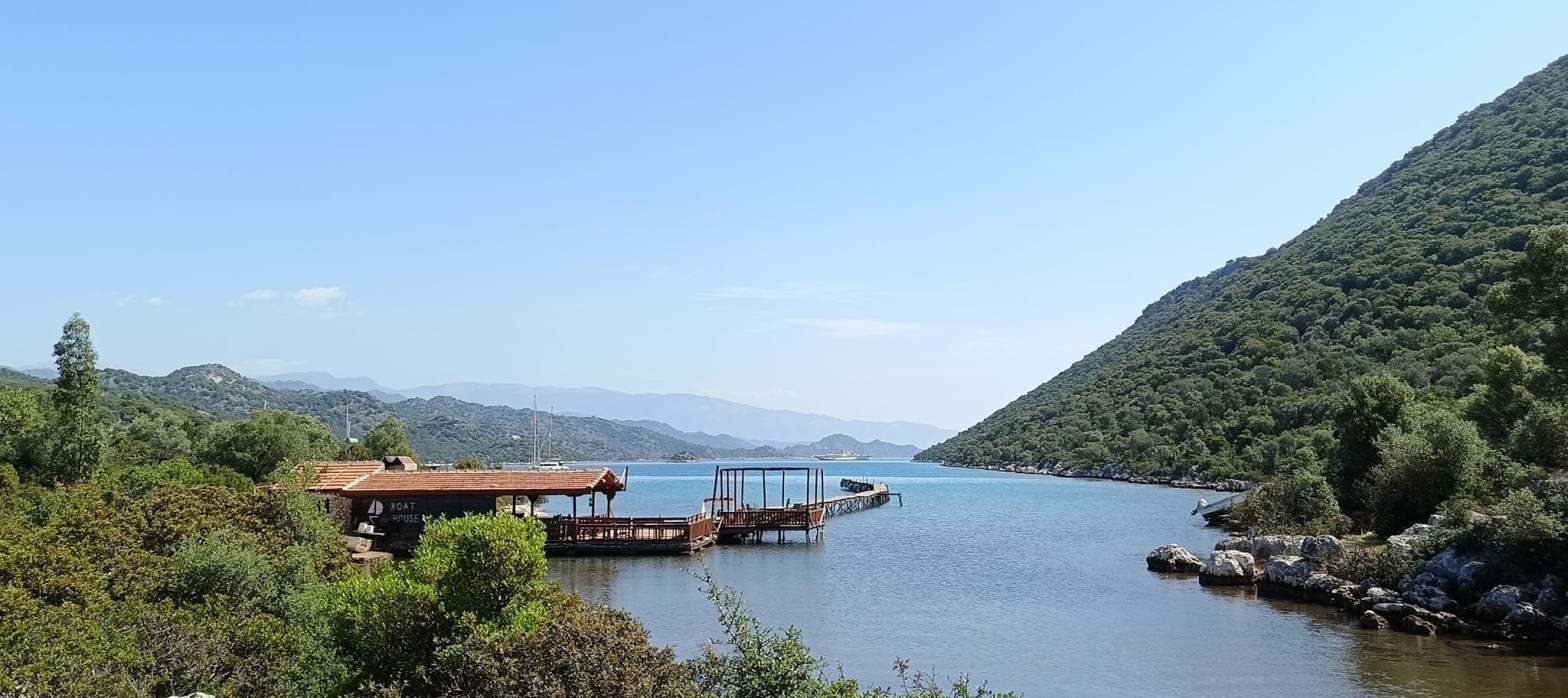
April 2024. One of the bastards of the Frisia Coast Trail hiked a stretch of the Lycian Way — Likya Yolu in Turkish. This coastal track spans over 700 kilometers along Turkey’s southern shore, often tracing ancient paths once used by the Greeks and Romans. Lycia is the historical name for the Teke Peninsula, aContinue reading “The Old Couple and the Sea — Hiking the Likya Yolu”
Comb as You Are, as You Were. The Early Medieval ‘Friseurs Frisons’
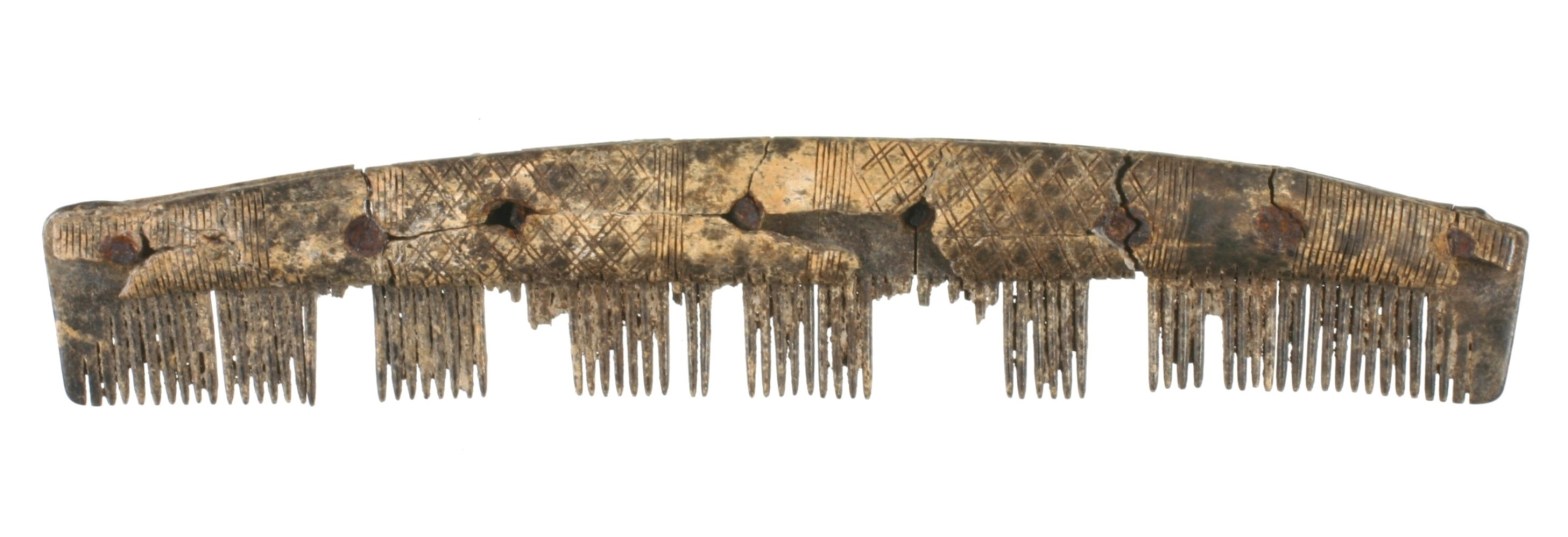
There are theories suggesting that the tribal name ‘Frisians’ originates from the Old Frisian word frisle, meaning ‘lock of hair’ — a term that may itself derive from Latin (Van Renswoude 2012). Compare, for instance, the French verb friser, meaning ‘to curl’. While this etymology is incorrect — the true origin relates more to haulingContinue reading “Comb as You Are, as You Were. The Early Medieval ‘Friseurs Frisons’”
“Ich Mag Ihre Pelzer- und Schustertöchter Nicht!” — And a Kiss of Death
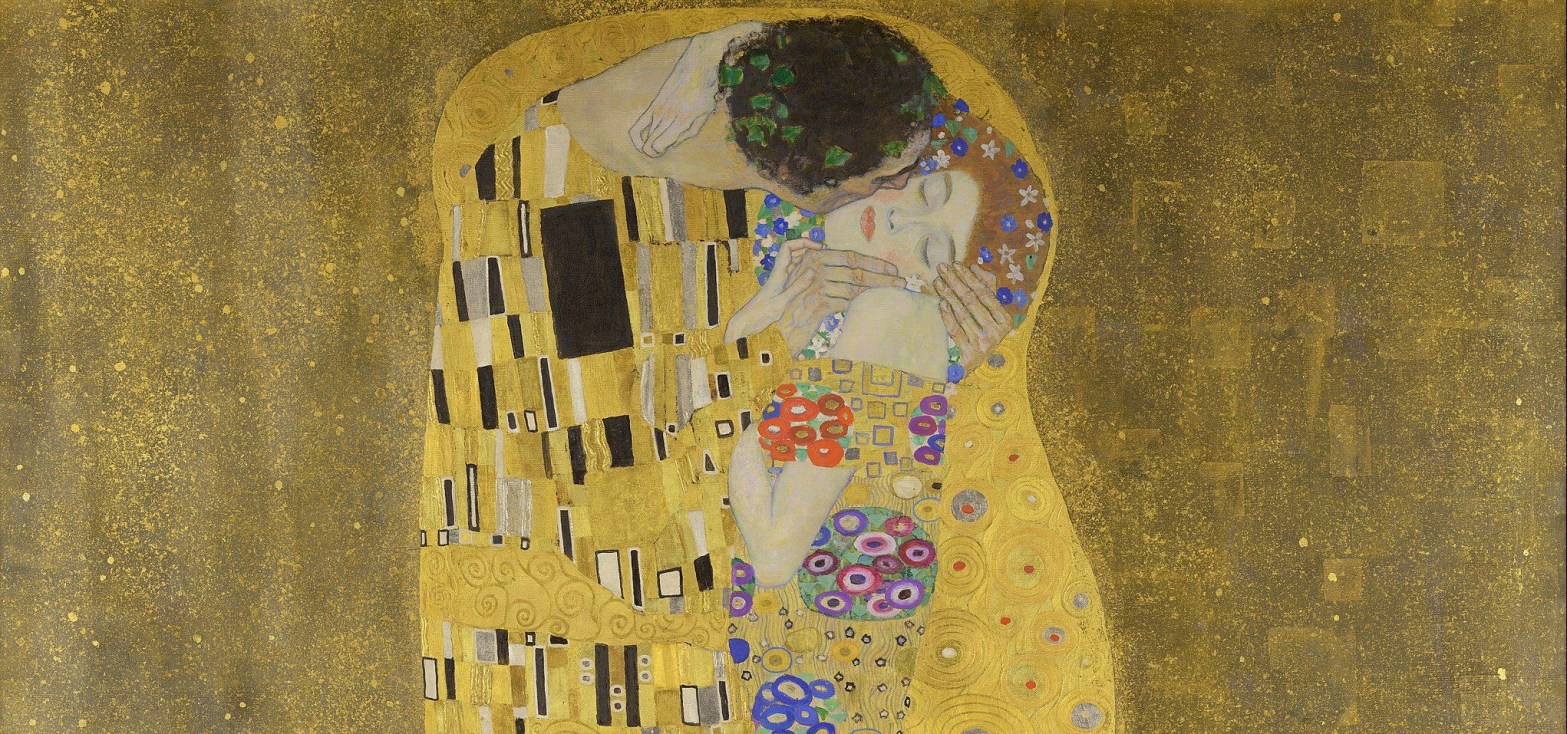
Like everywhere along the Wadden Sea shores in the fourteenth and fifteenth centuries, the small republics of the tidal marshlands fought battle after battle against foreign aggressors seeking to subdue them. Counts, bishops, and cities alike tried to lay their hands on these fertile and strategically located lands. And if the threat was not fromContinue reading ““Ich Mag Ihre Pelzer- und Schustertöchter Nicht!” — And a Kiss of Death”
Odin’s Ravens Ruled the Southern Shores. Not the Hammer of Thor

When re-enactors bring early-medieval Frisia to life, they are often seen wearing a small iron hammer on a leather cord around their neck — symbolizing Mjölnir, the mighty weapon of the Norse god Thor. We regret to inform them that Mjölnir was not at all fashionable along the southern shores of the North Sea —Continue reading “Odin’s Ravens Ruled the Southern Shores. Not the Hammer of Thor”
Hengist and Horsa — Frisian Horses From Overseas That Founded the Kentish Kingdom
It is at the inn The Prancing Pony in the village of Bree that the Hobbits find refuge from the screeching Nazgûl on their coal-black horses. It is also here that they encounter Strider, the mysterious wanderer who is later revealed to be Aragorn — future king of the Reunited Kingdom. Horses, wanderers, fugitive royalty,Continue reading “Hengist and Horsa — Frisian Horses From Overseas That Founded the Kentish Kingdom”
The Chronicles of Warnia. When History Seems a Fantasy Story

The fate of tribes and their names in the age of the Great Migration, between the fourth and sixth centuries, was anything but certain. Most simply disappeared. Celtic and Germanic peoples alike faded from the stage of history — some crushed by alliances of stronger tribes, others absorbed into new tribes, and still others vanishingContinue reading “The Chronicles of Warnia. When History Seems a Fantasy Story”
Guerrilla in the Polder. The Battle of Vroonen in 1297
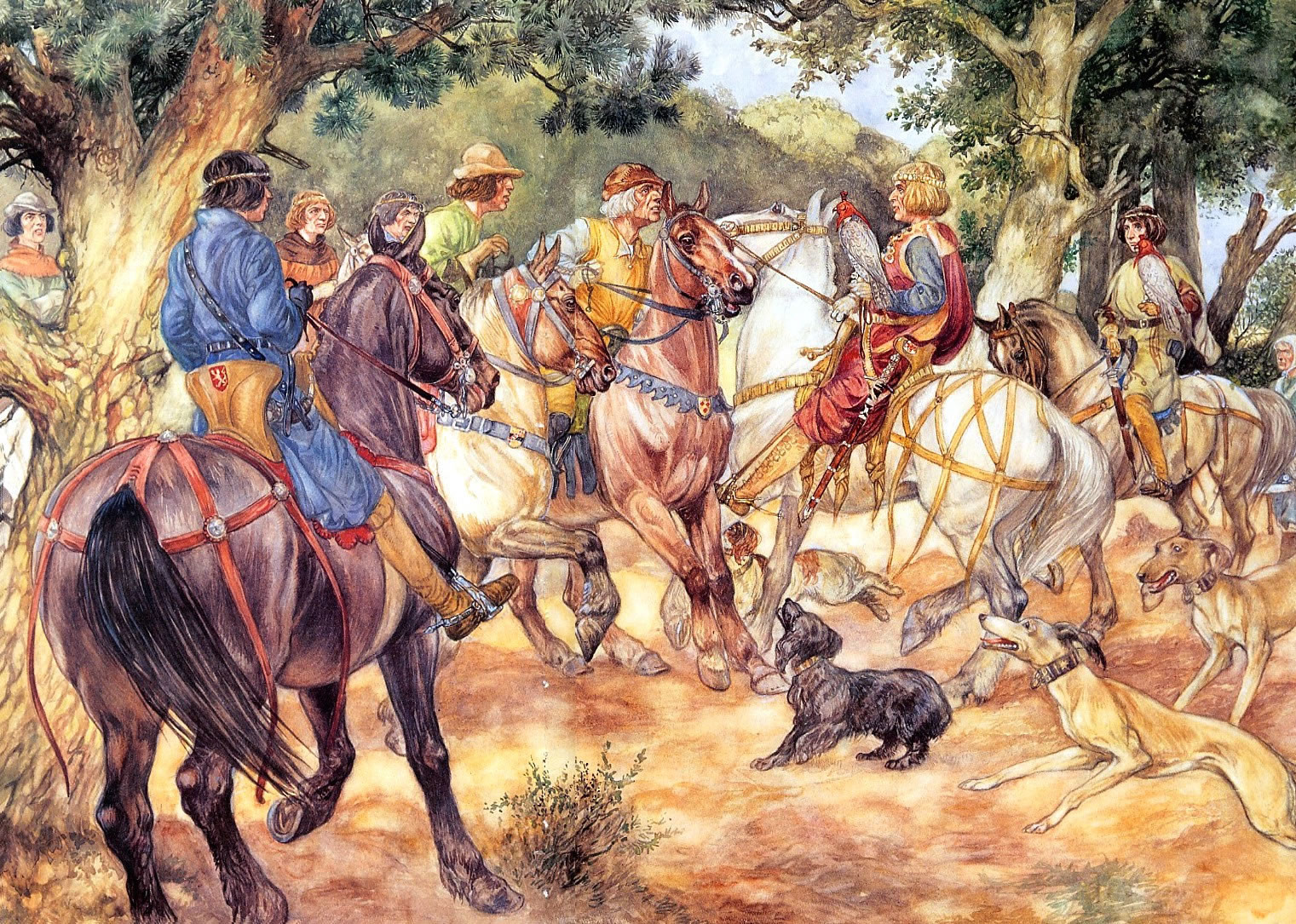
What is the use of celebrating only the battles you have won? Feeling proud and superior as a nation over others, with the differences emphasized in the process. Why not follow the example of the Scots? Every year, they commemorate their defeat at the Battle of Culloden on April 16, 1746 — fought between theContinue reading “Guerrilla in the Polder. The Battle of Vroonen in 1297”
 Frisia Coast Trail